
Steam, Gravel, and the Giant Loop Way
Inside the 2026 Giant Loop Ride in Eastern Oregon
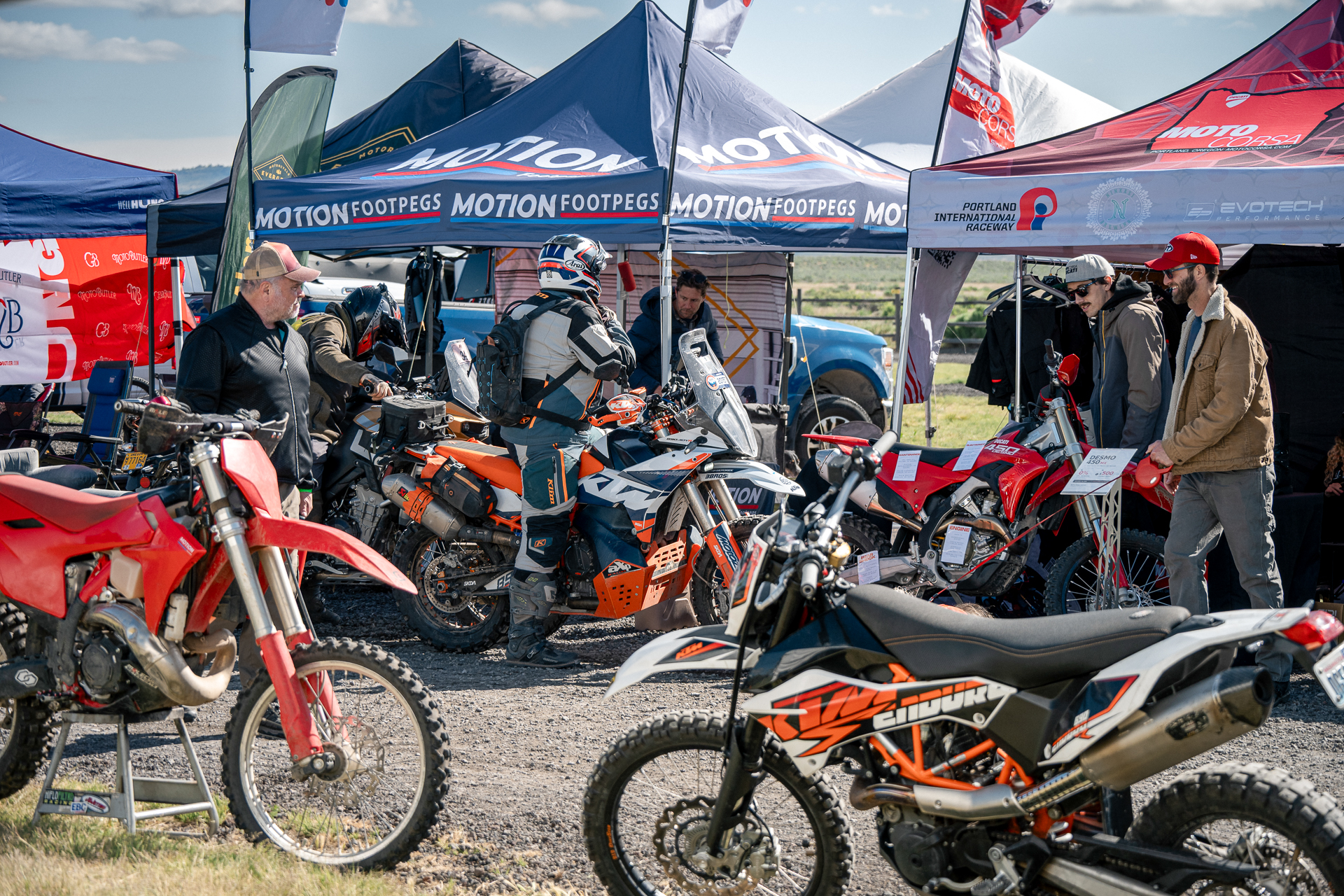
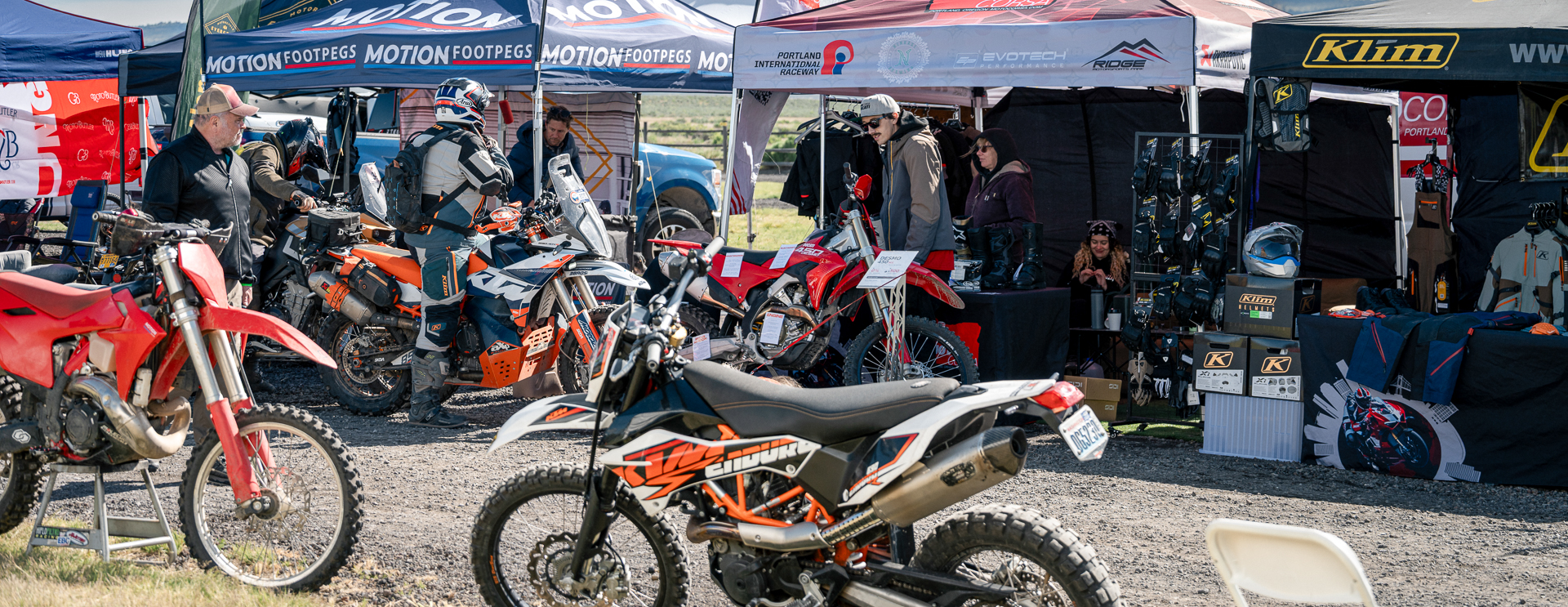
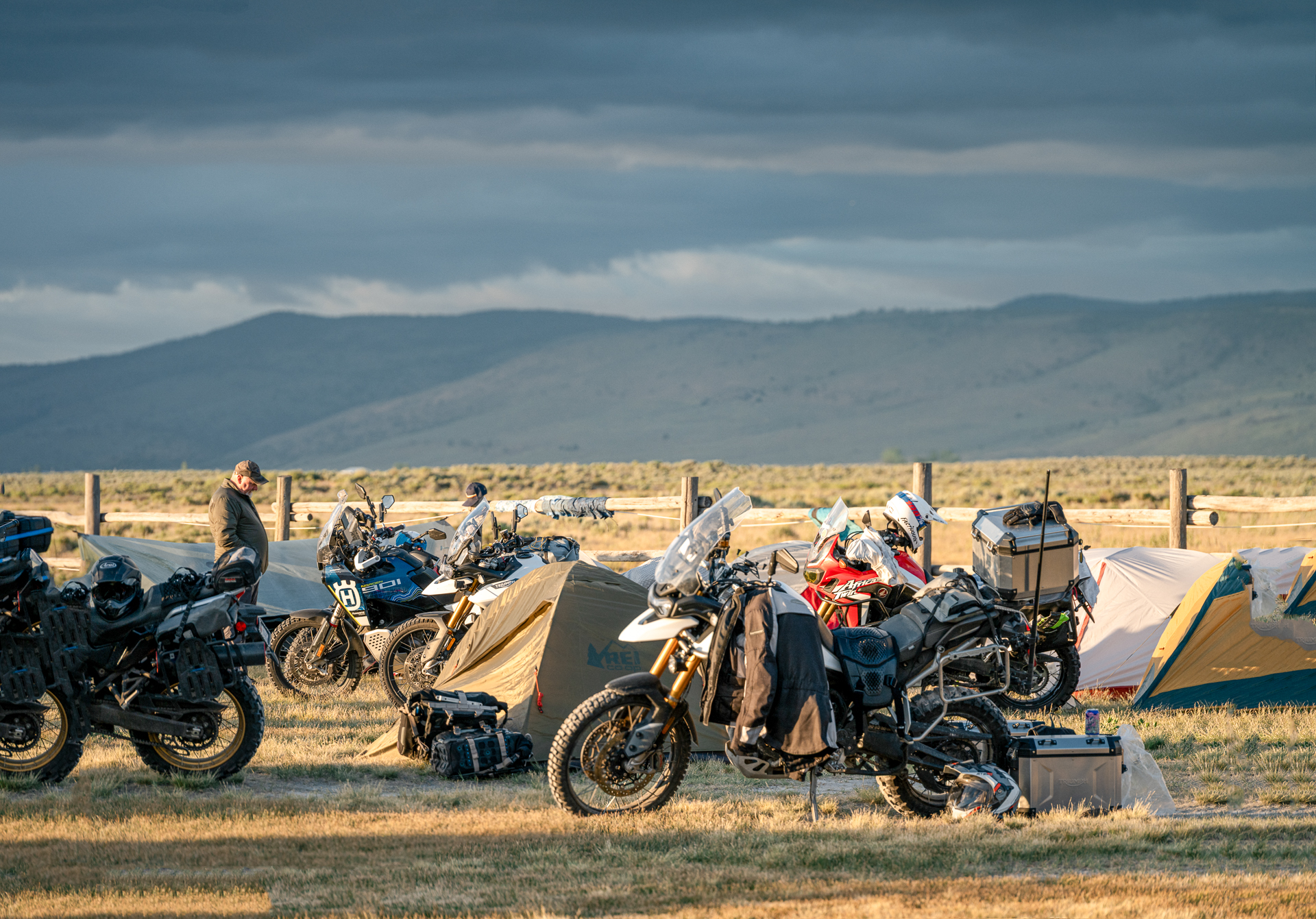
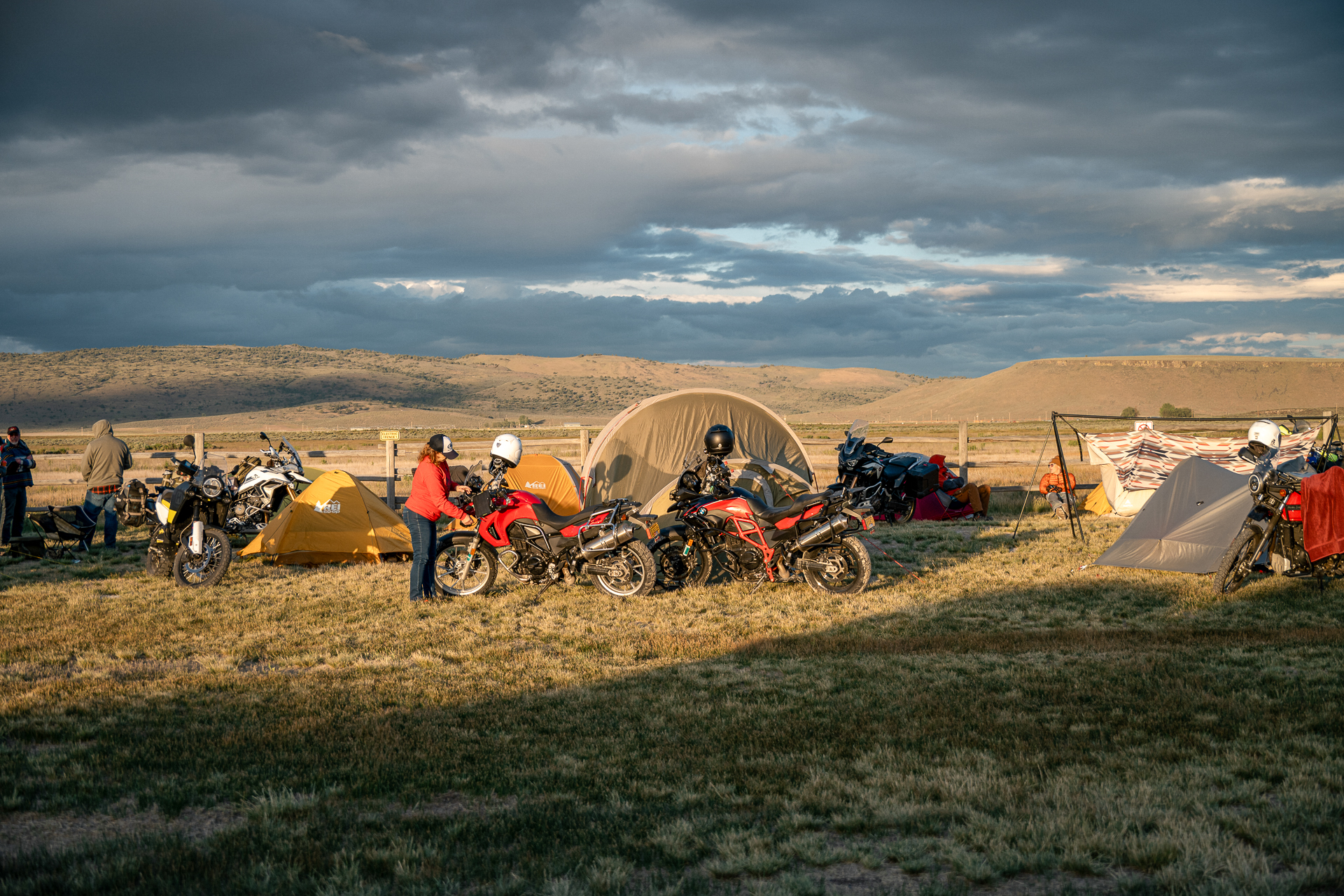
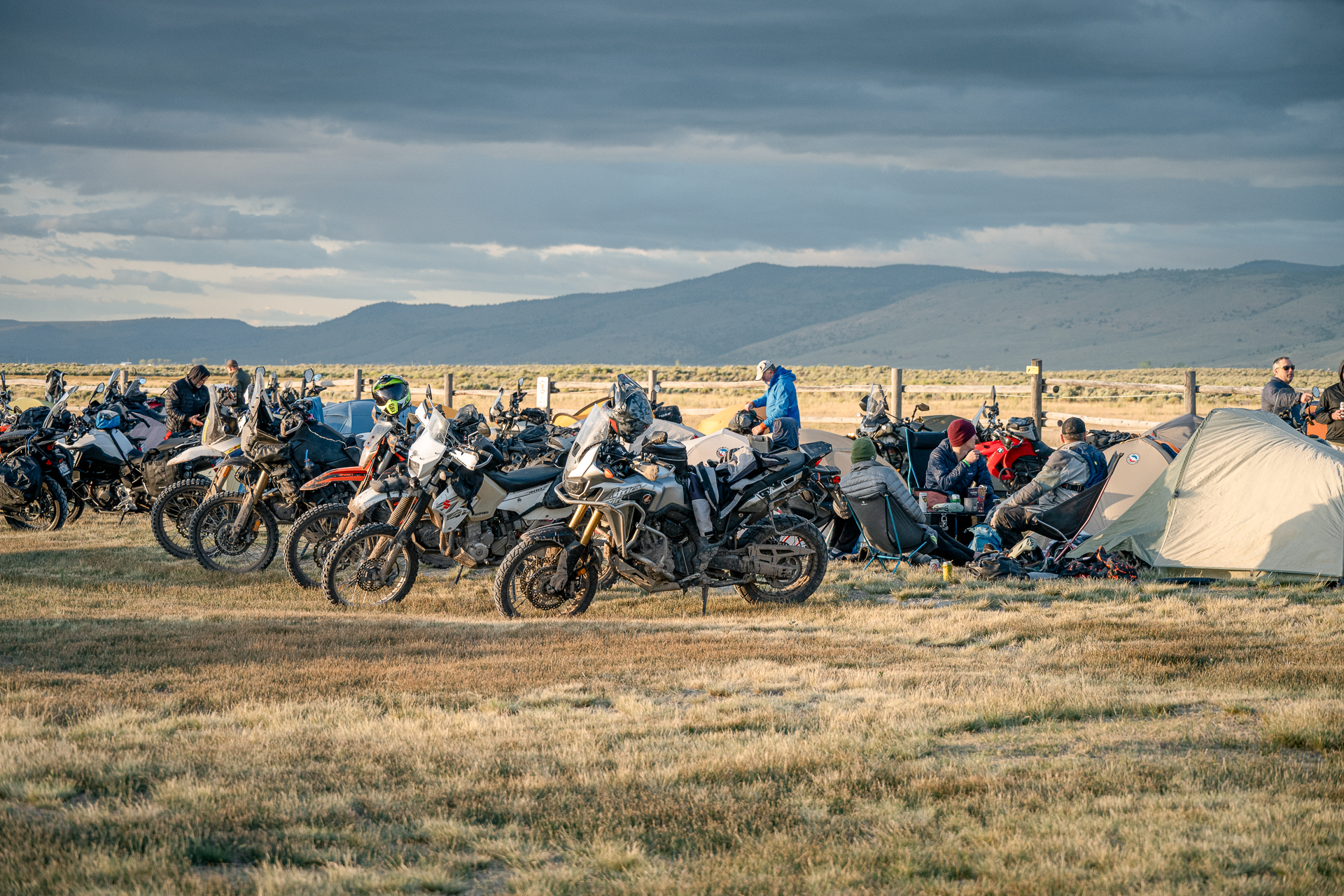
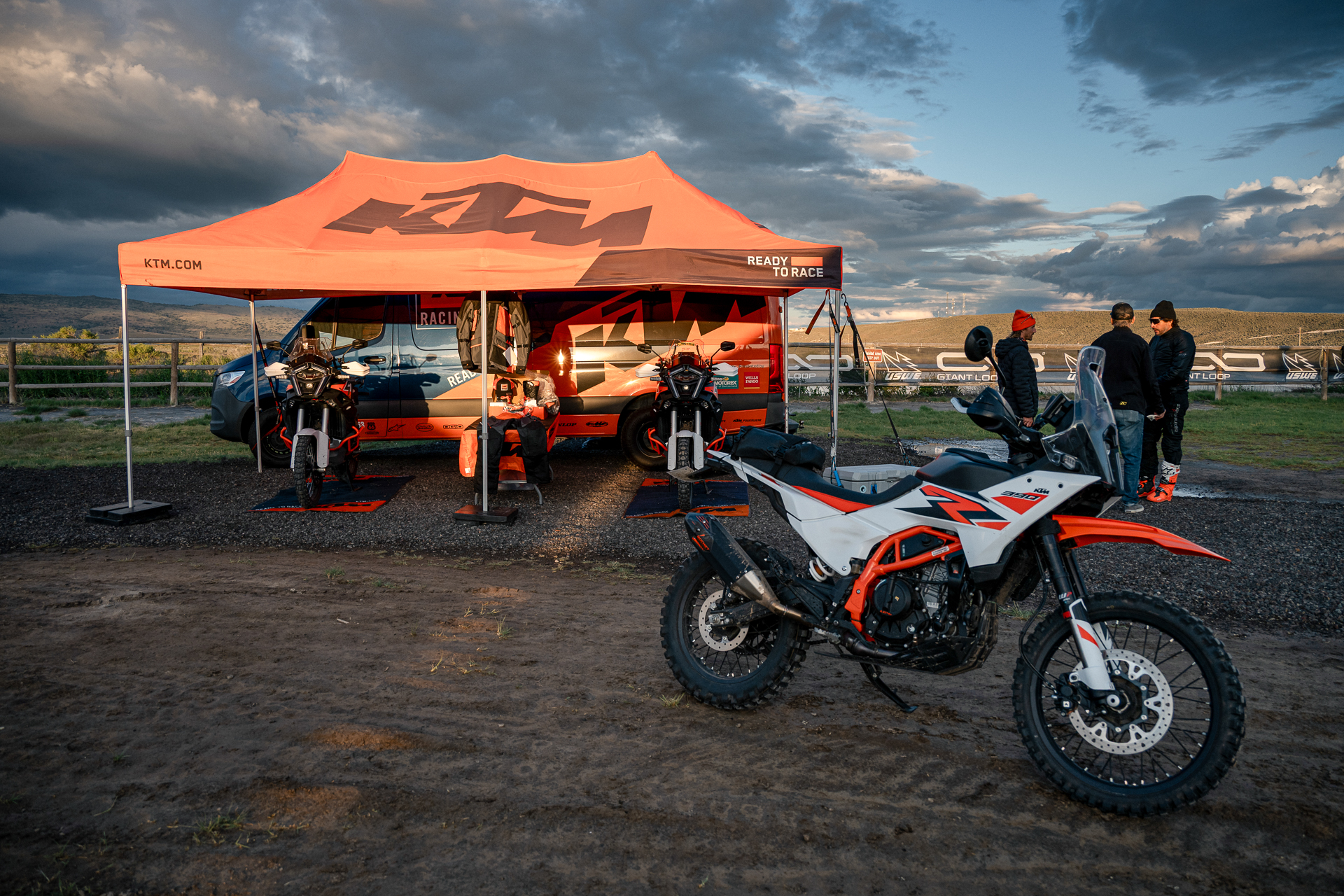
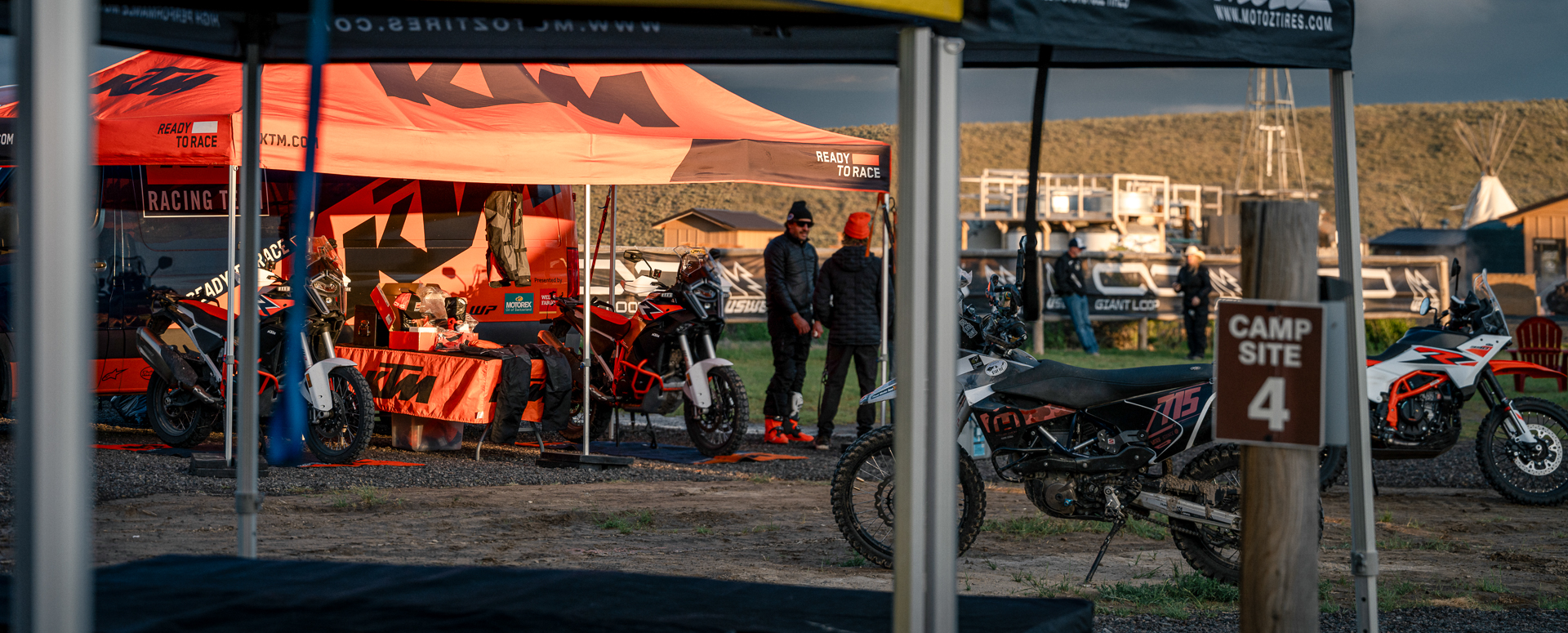
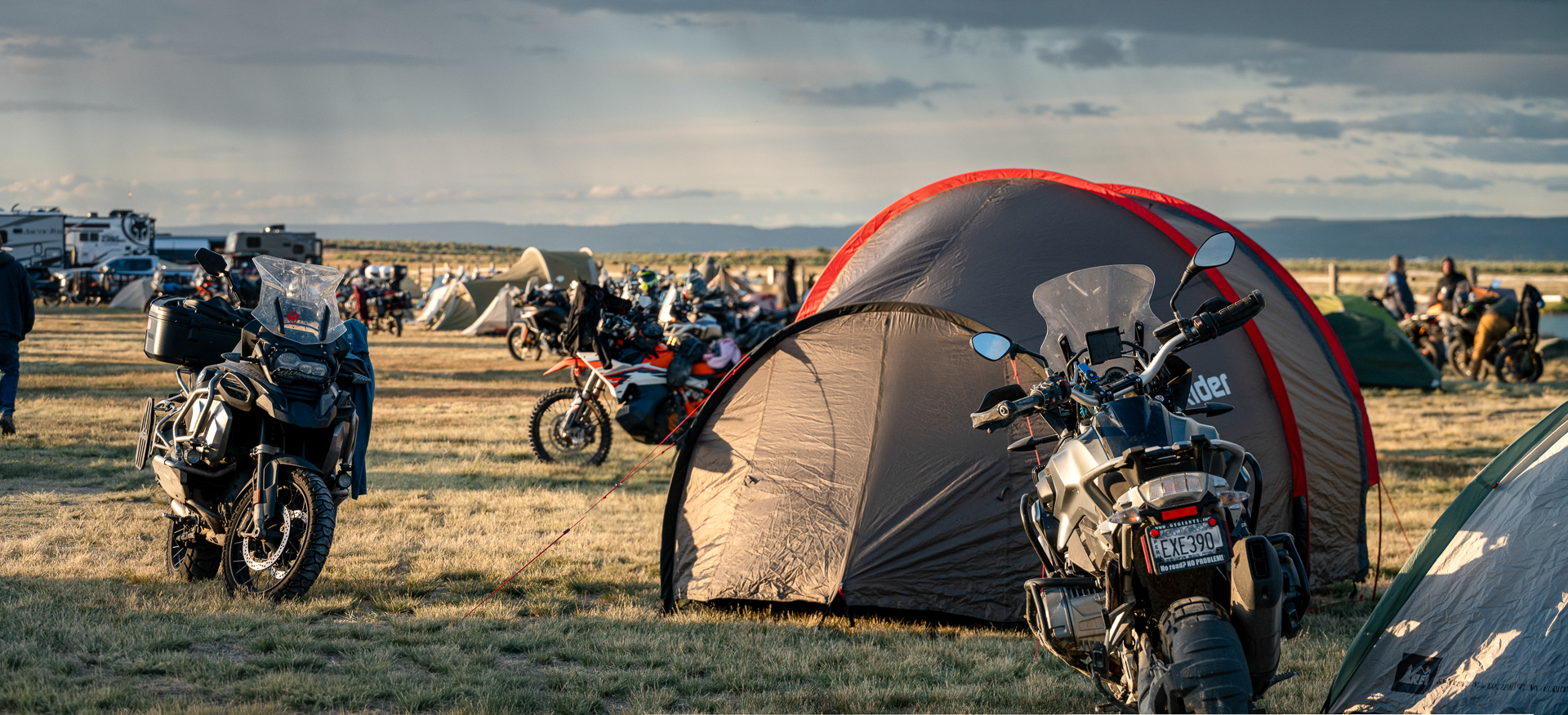
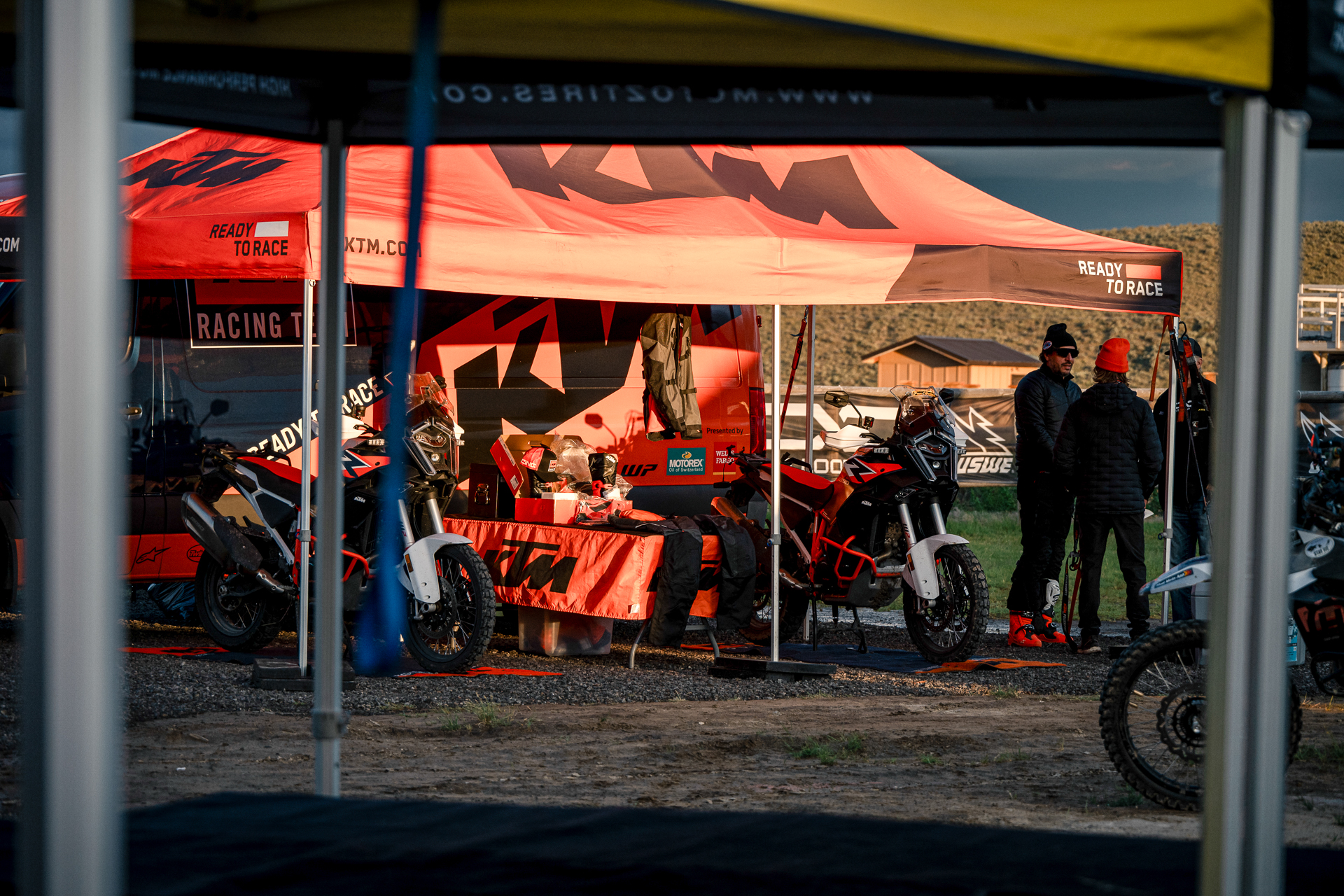
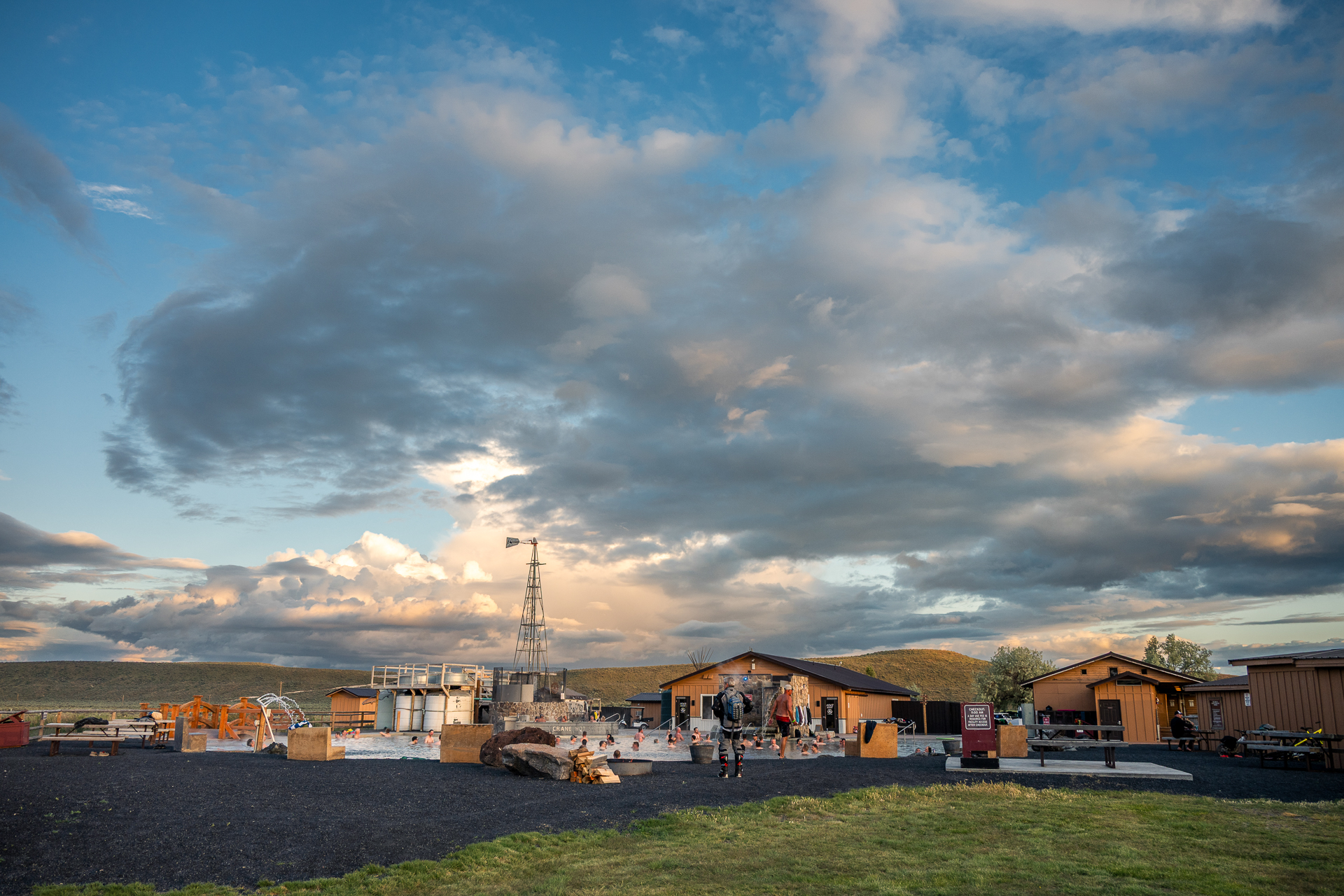
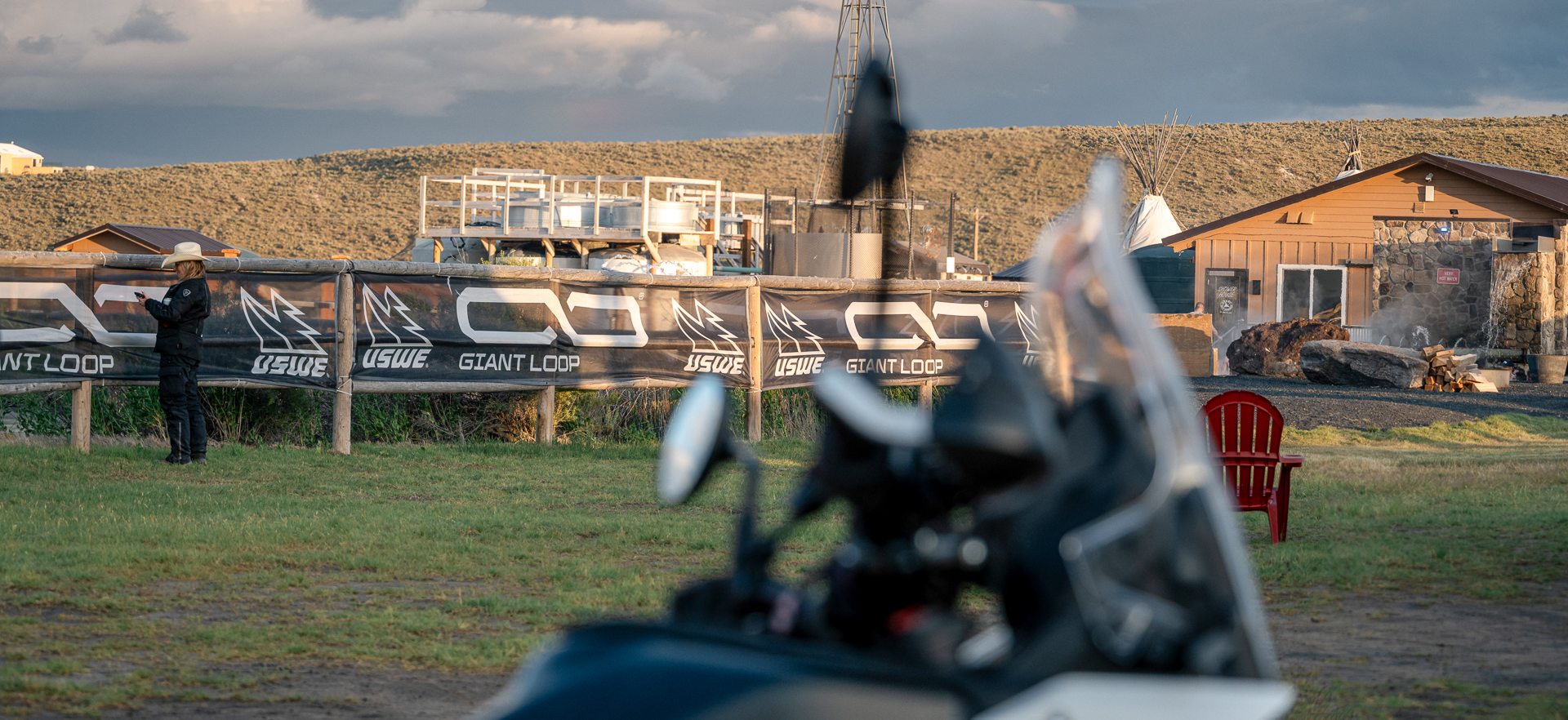
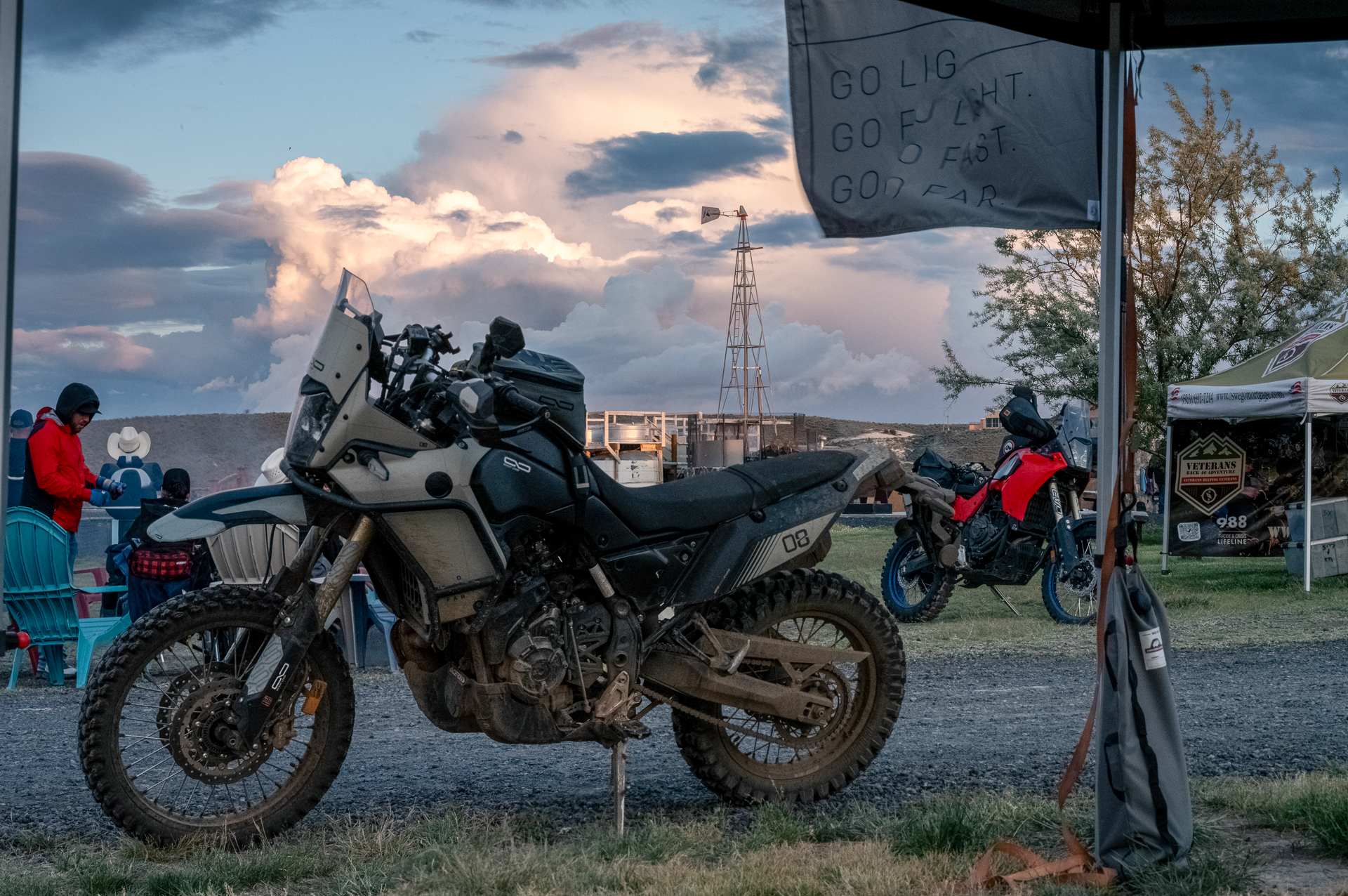
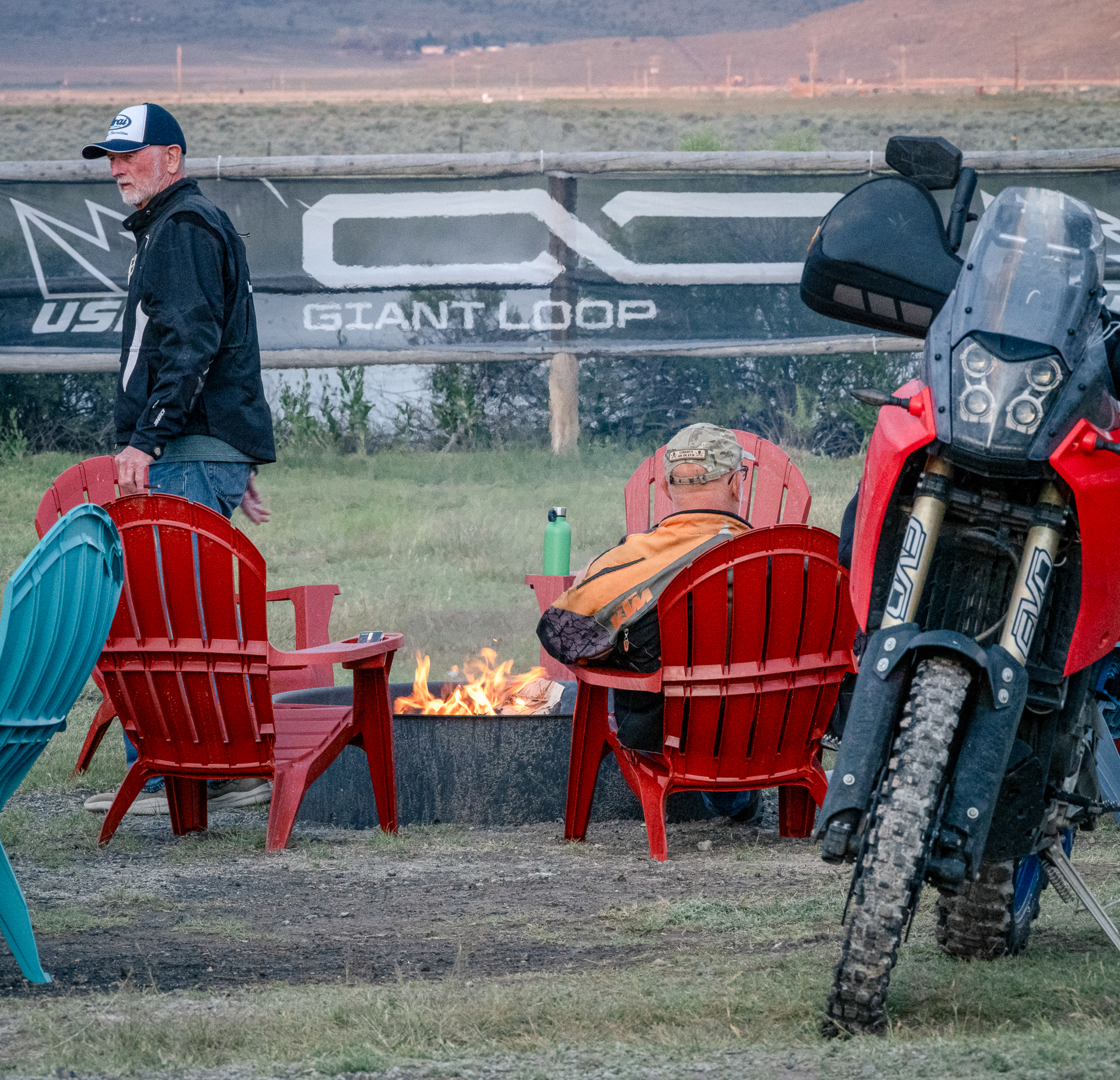
By the time the steam rose from the hot pond at Crystal Crane Hot Springs, the Giant Loop Ride had already become something larger than a motorcycle event. Tents and RVs dotted the open ground. Adventure bikes stood in every direction, some packed with careful restraint, others loaded with the accumulated logic of riders who had learned their systems one trip at a time.
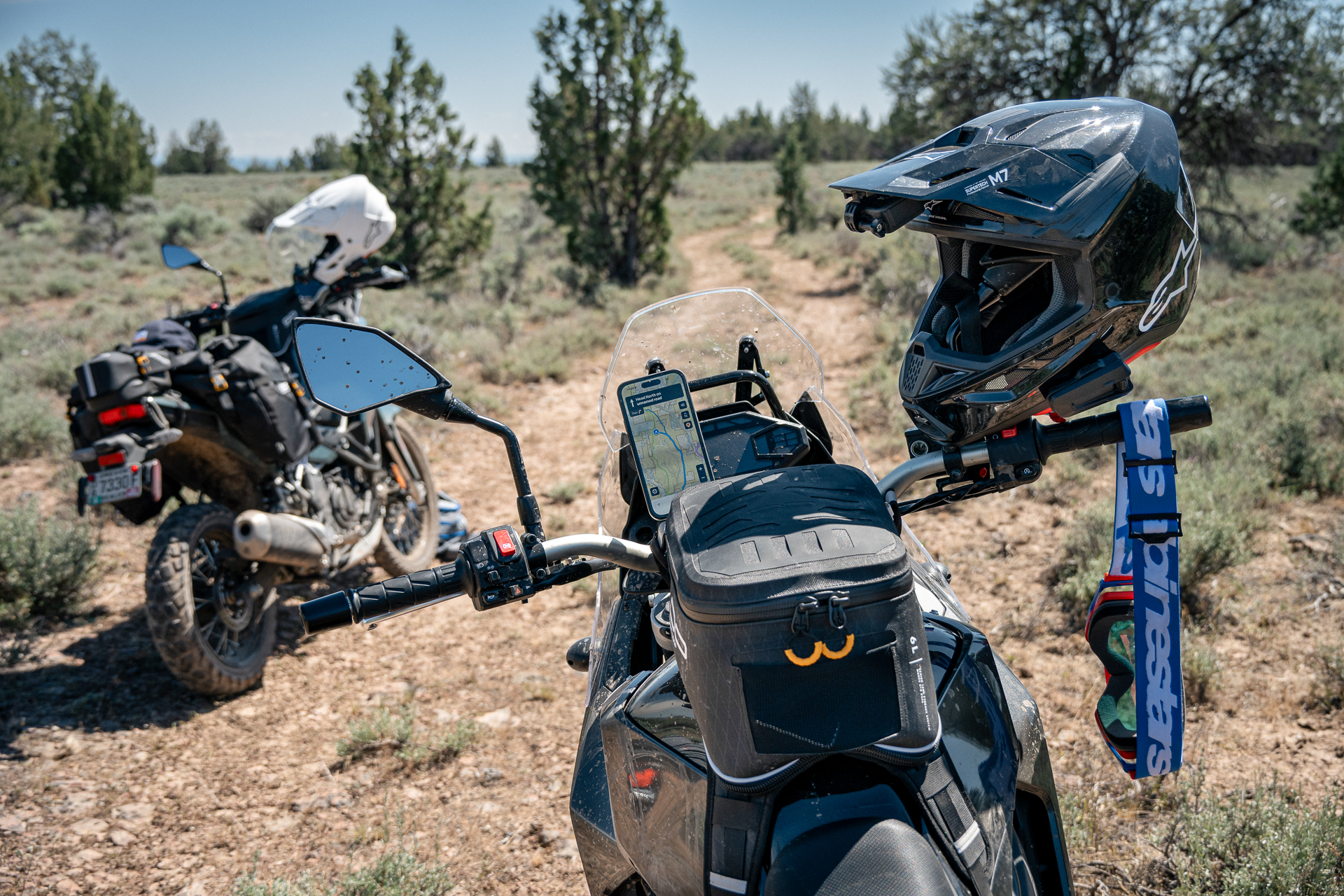
Boots dried near camp chairs. Helmets sat on mirrors. GPX tracks glowed on phones. More than 500 riders had come to this quiet corner of Eastern Oregon, and for a few days the high desert had become a temporary motorcycle town.
That setting mattered. Crystal Crane Hot Springs, near Crane, Oregon, gave the event its natural center: remote enough to feel earned, comfortable enough to support a full rally, and strange enough to be memorable. In the morning, riders walked toward breakfast under the main tent with coffee in one hand and route questions in the other. In the evening, the same tent became the place where dust, weather, fuel range, tire pressure, and close calls turned into stories.
A Practical Rhythm for Real Adventure
Giant Loop organized the 2026 Ride with a clear understanding of its audience—riders ready for real routes, real conditions, and long days in the saddle. Giant Loop’s team had prepared a network of GPX routes across the surrounding country, with options for different levels of experience, distance, and commitment.
The routes were detailed enough to let riders plan their days, but the staff remained available every morning for consultation. Riders could ask about difficulty, conditions, fuel, gates, timing, and alternate plans. That detail gave the event a practical rhythm: enough structure to keep people informed, enough freedom to let adventure remain adventure.
Safety was part of that rhythm as well. A medical team was present and ready if needed, and clinics addressed real backcountry concerns, including what to do after an accident and what should be carried on the bike. That may not sound glamorous from the outside, but to anyone who has ridden remote country, it is exactly the kind of information that makes better riding possible. Eastern Oregon rewards riders who choose their routes honestly, prepare well, and make sound decisions on the ground.
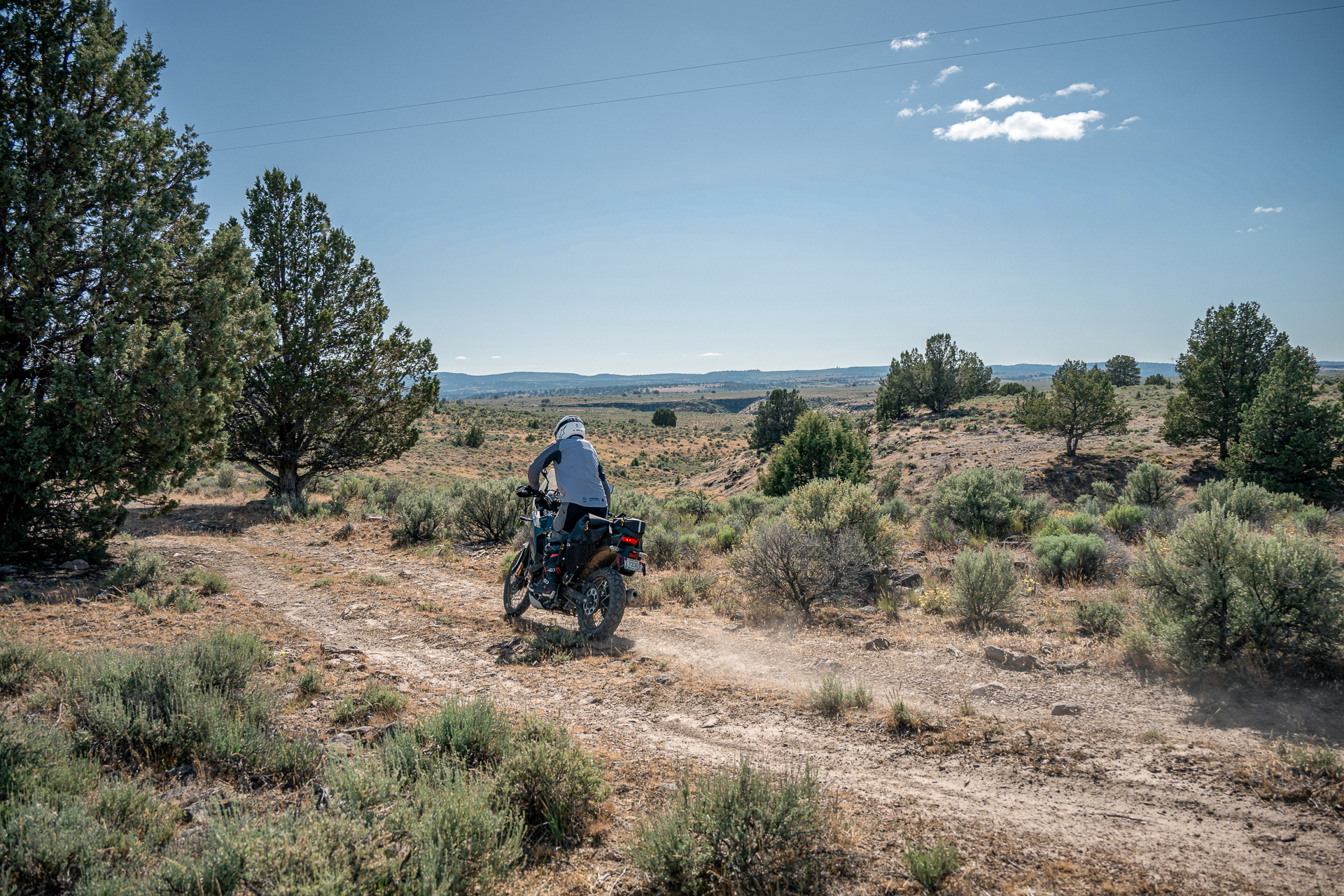
The map told the rest of the story. Route lines radiated from Crane across a broad section of Oregon’s high desert, reaching toward ranchlands, rocky uplands, remote roads, and places that most travelers will never see from a highway. Some loops were approachable. Others asked more of the rider. That range was part of the appeal. The Giant Loop Ride was not built around one kind of motorcycle or one kind of ambition. It gave riders choices, then trusted them to choose honestly.
Out on the High Desert Tracks
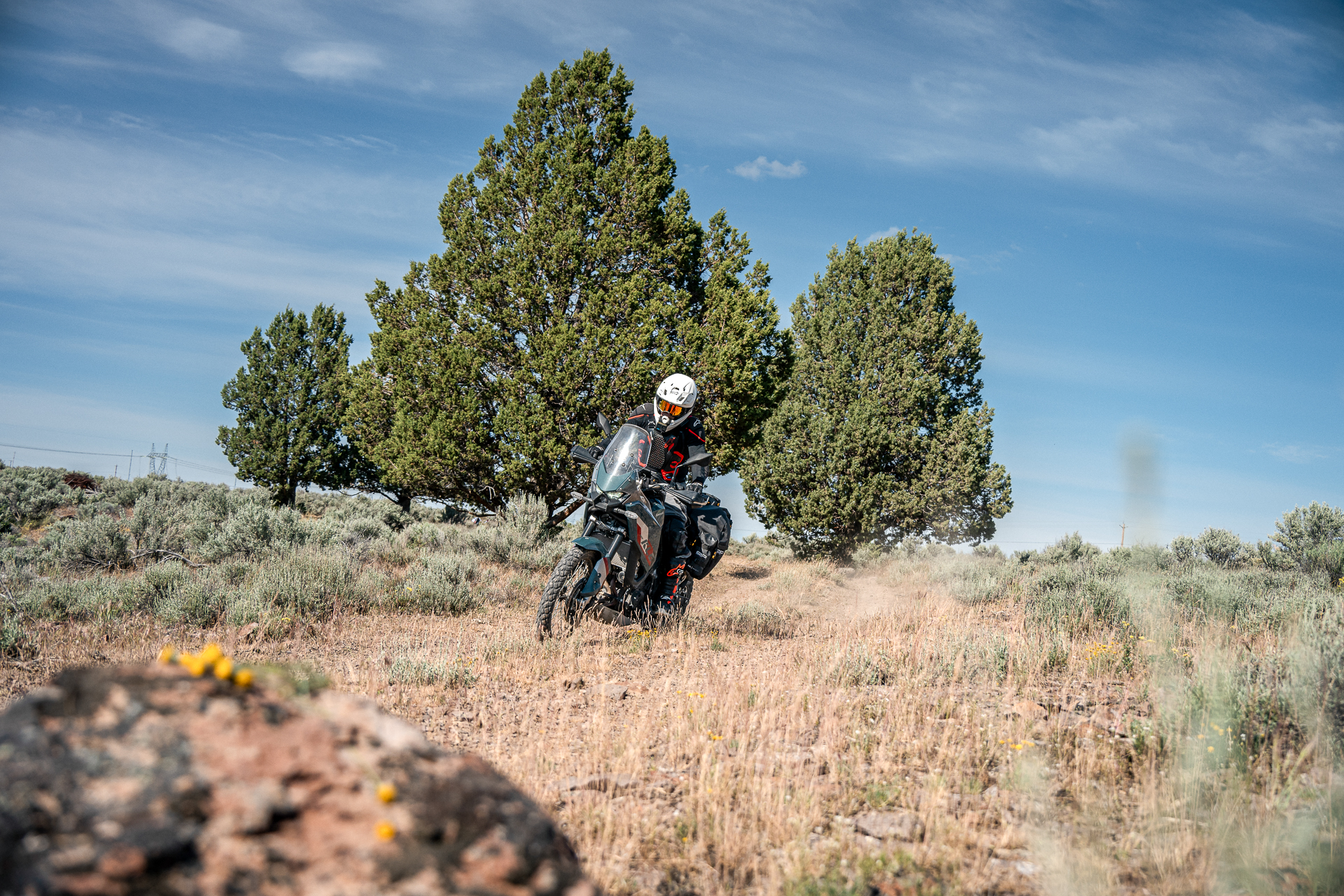
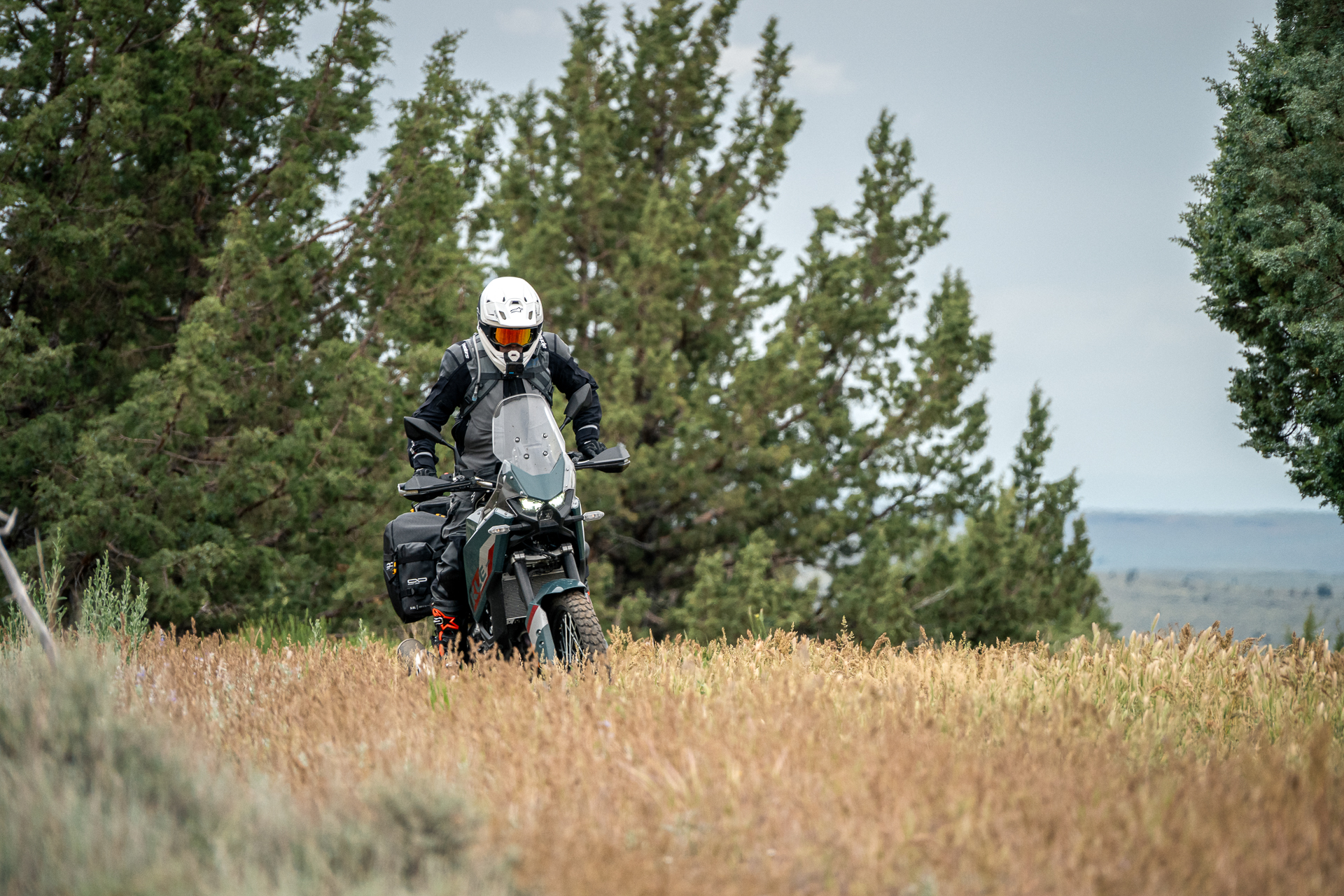
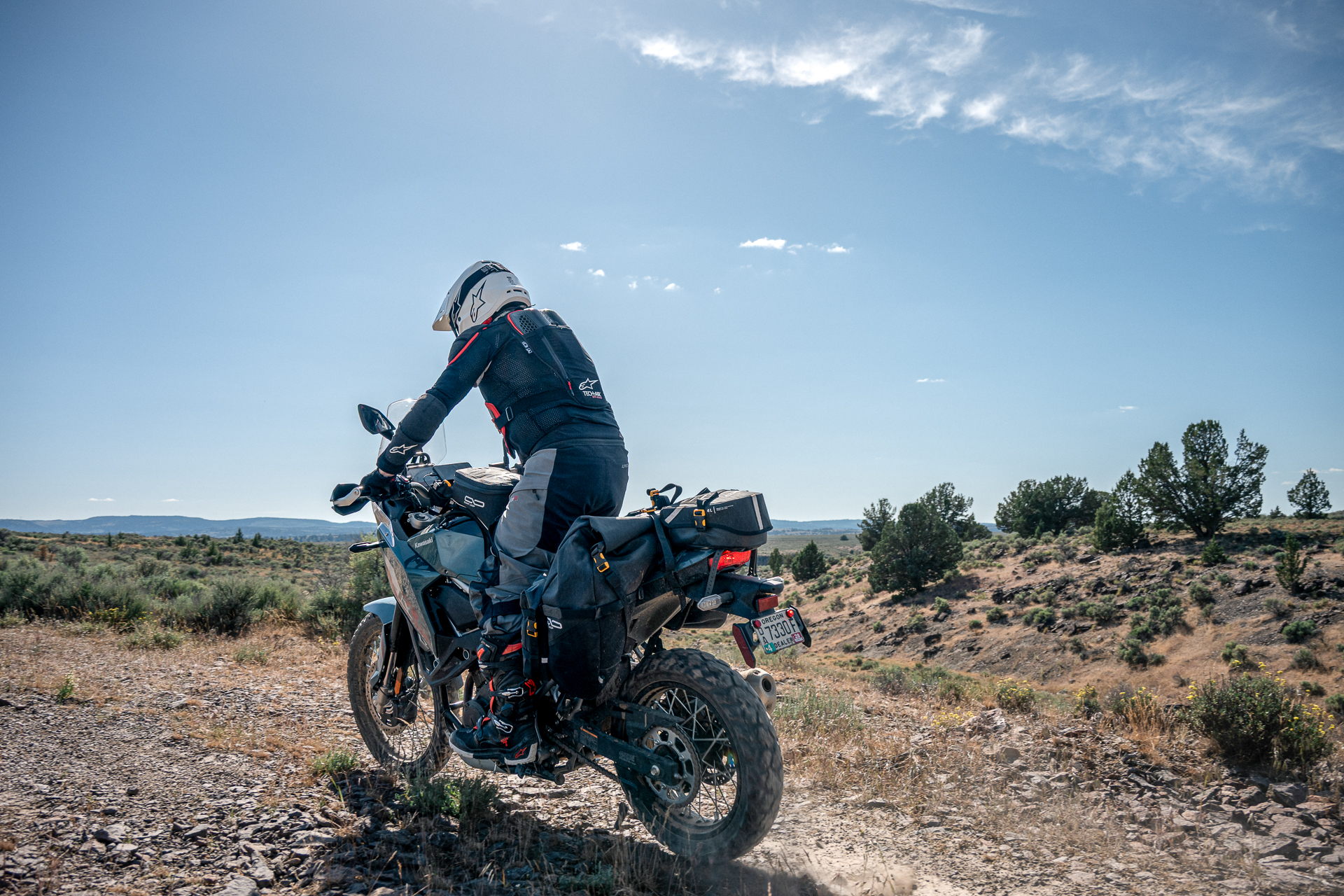
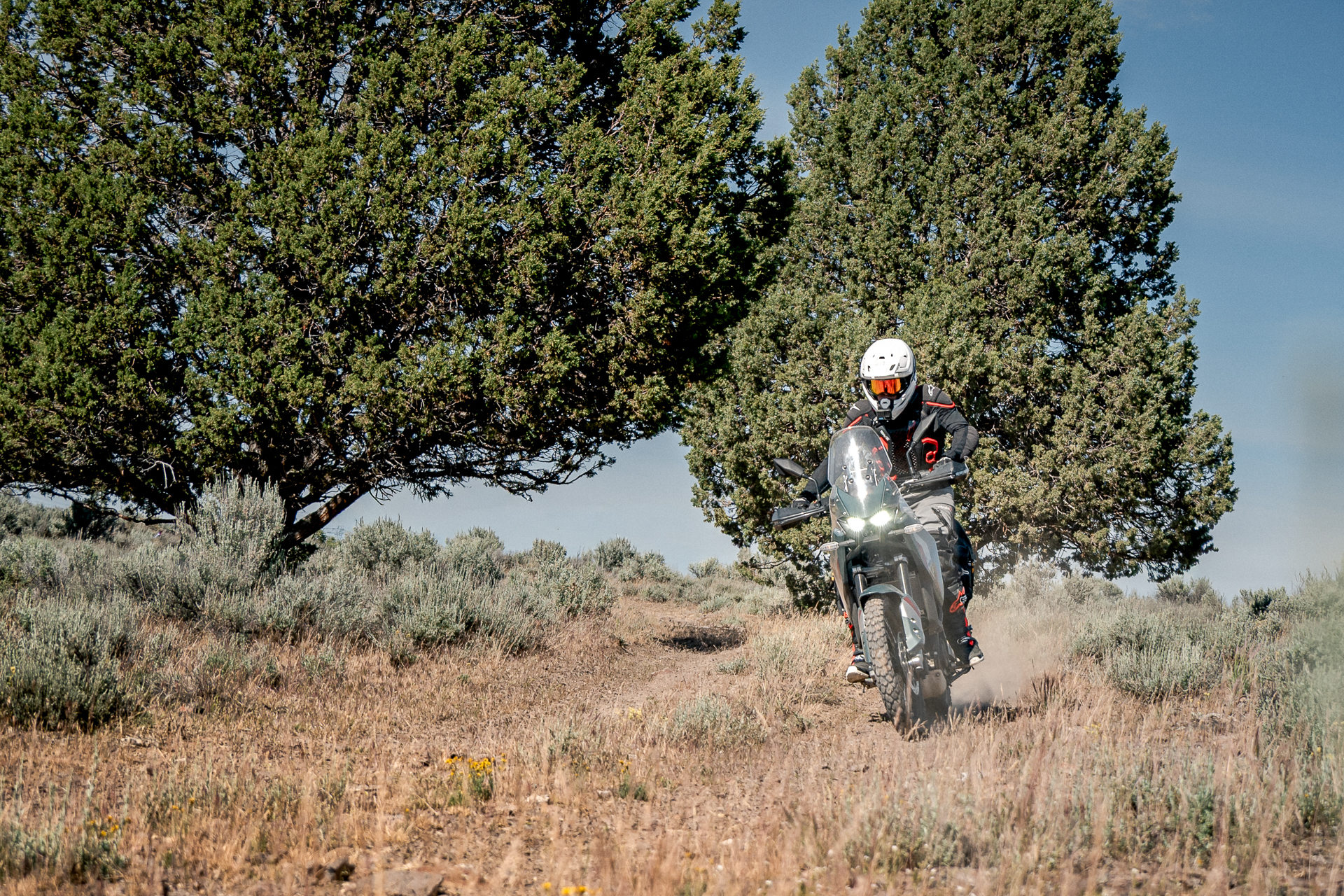
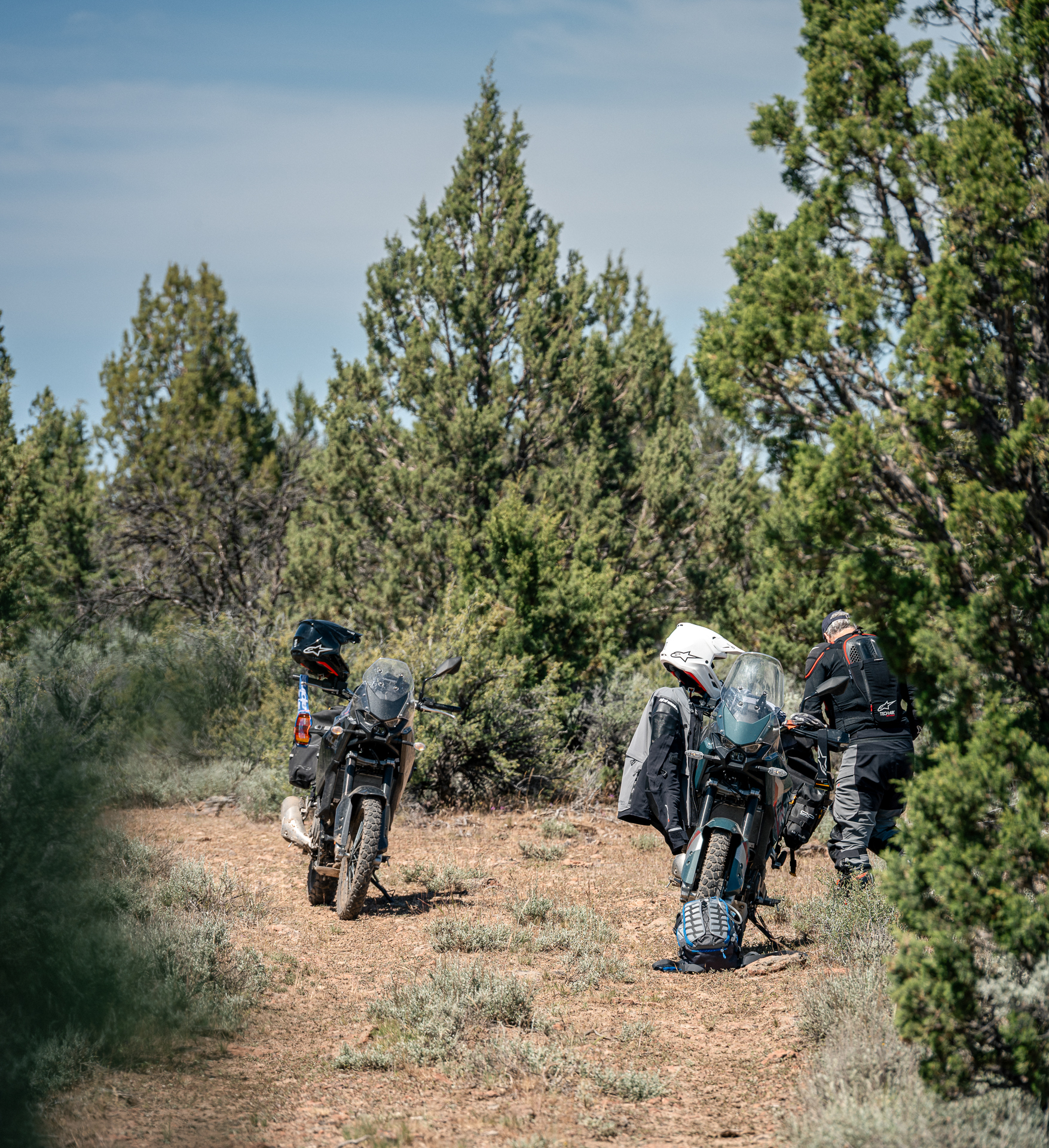
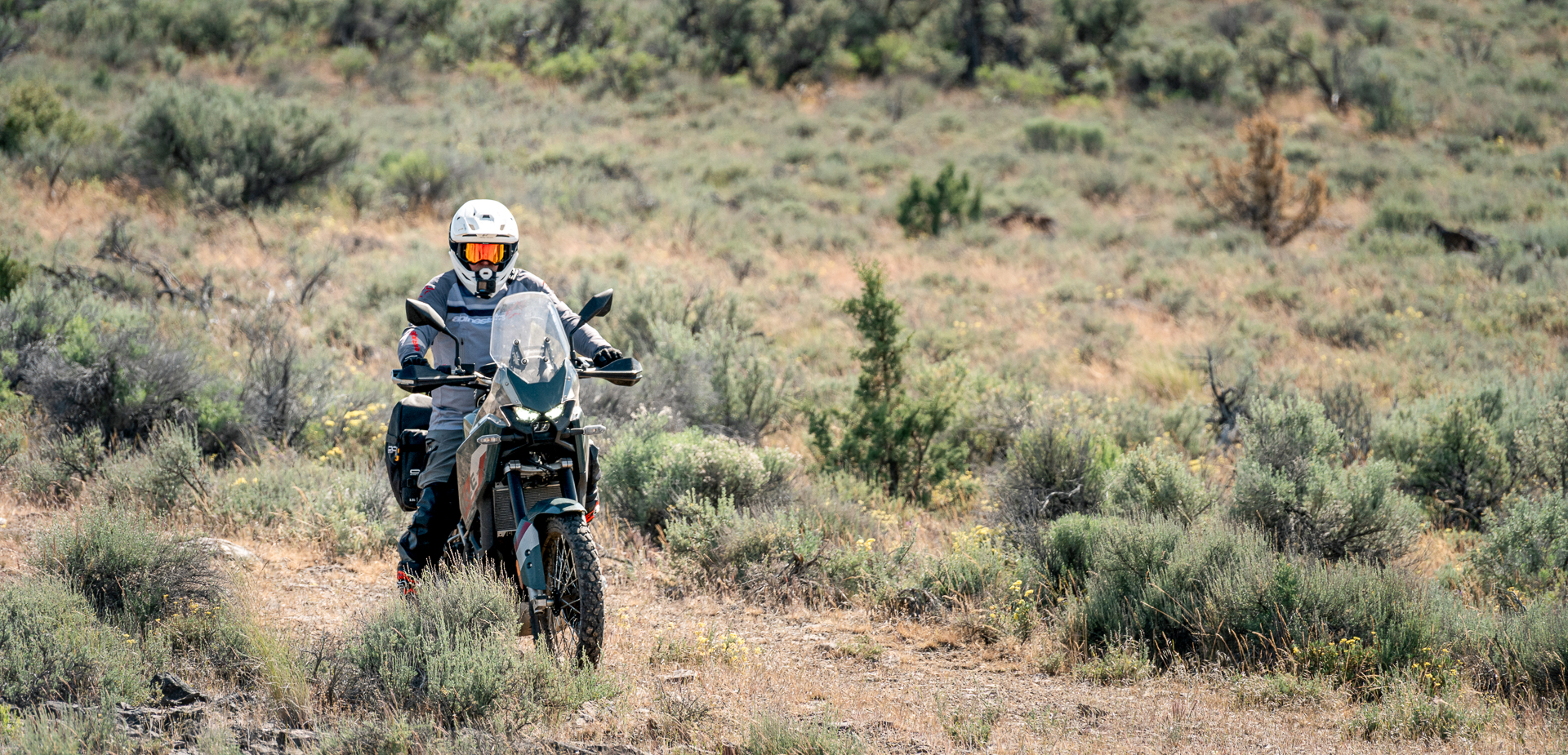
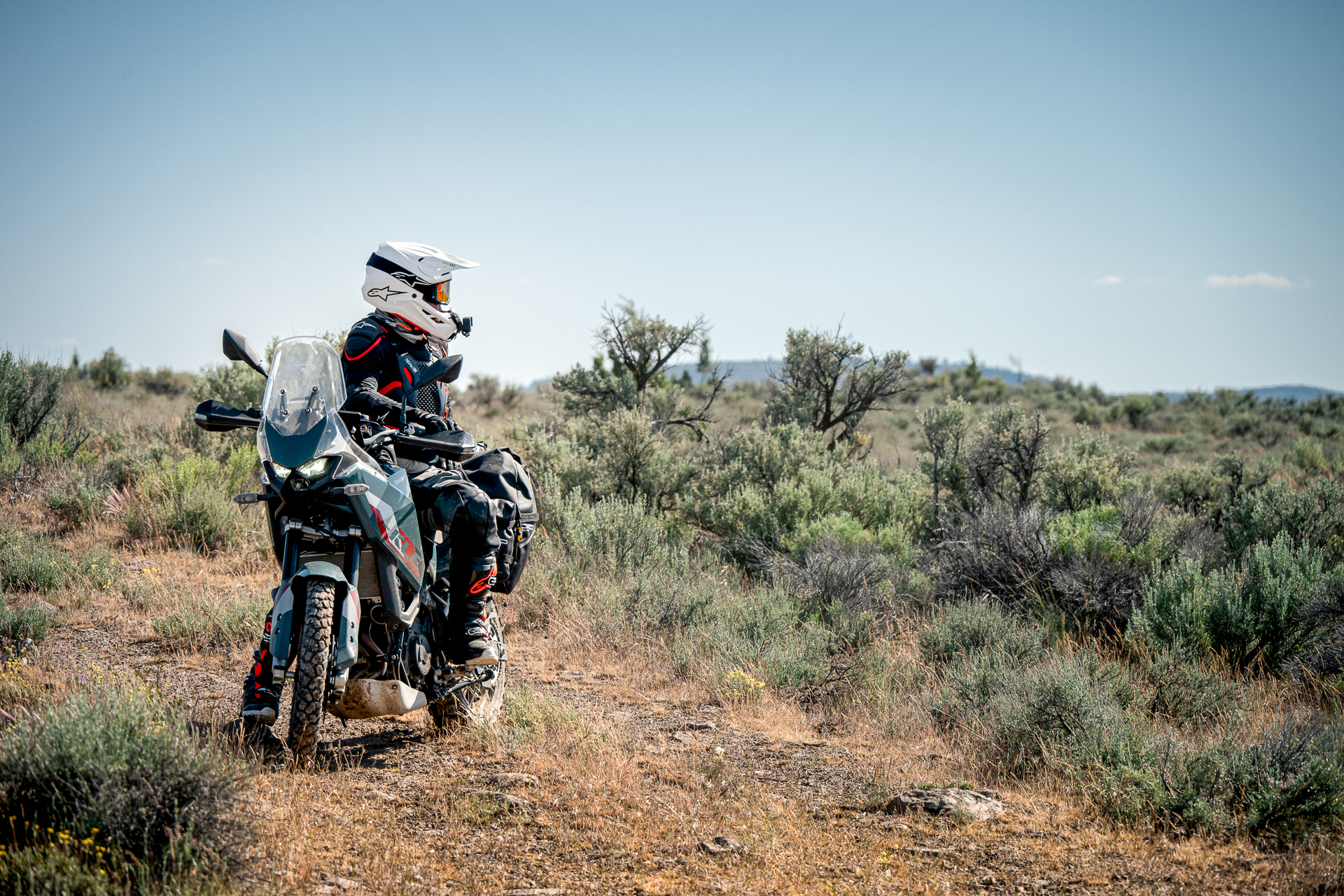
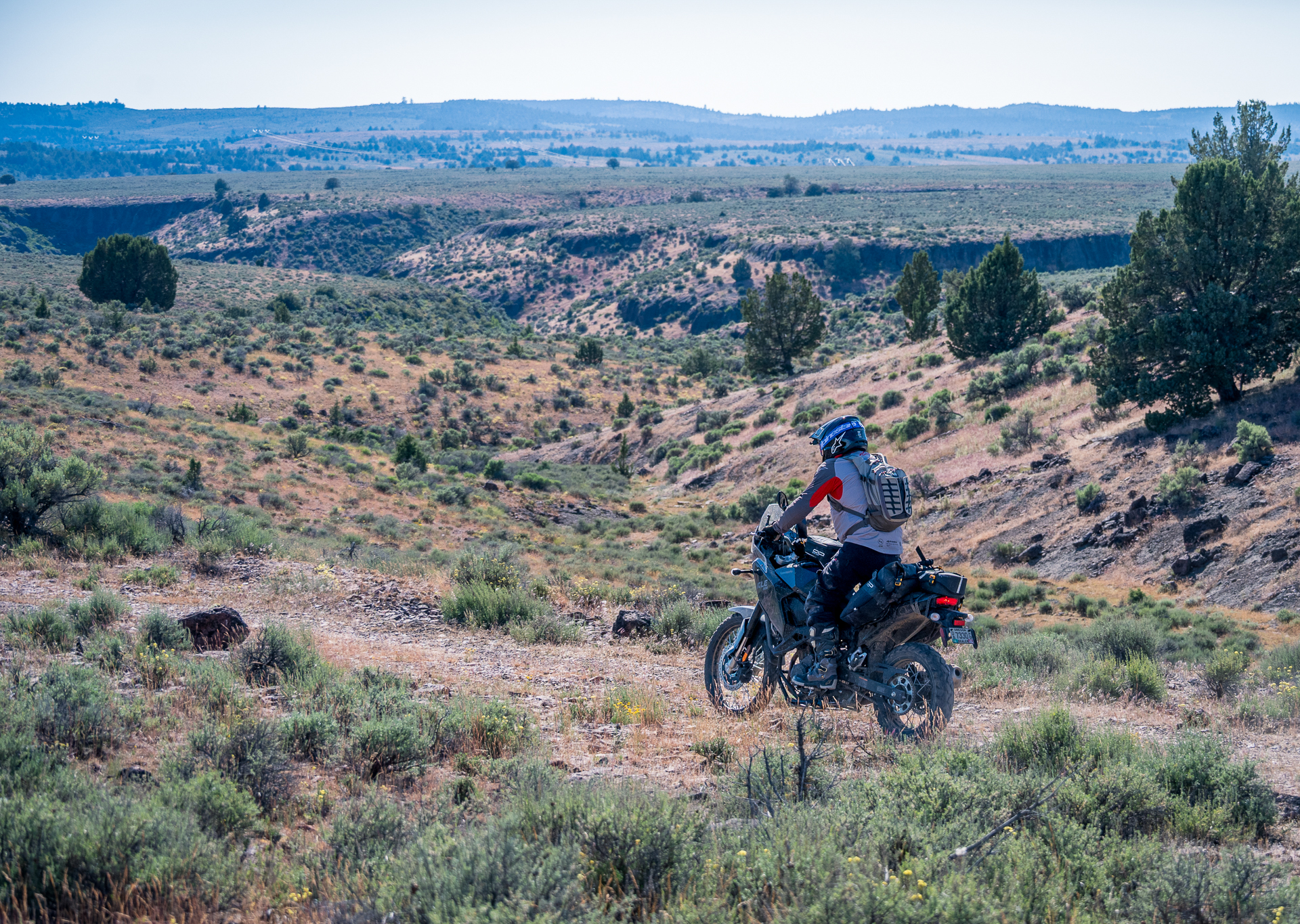
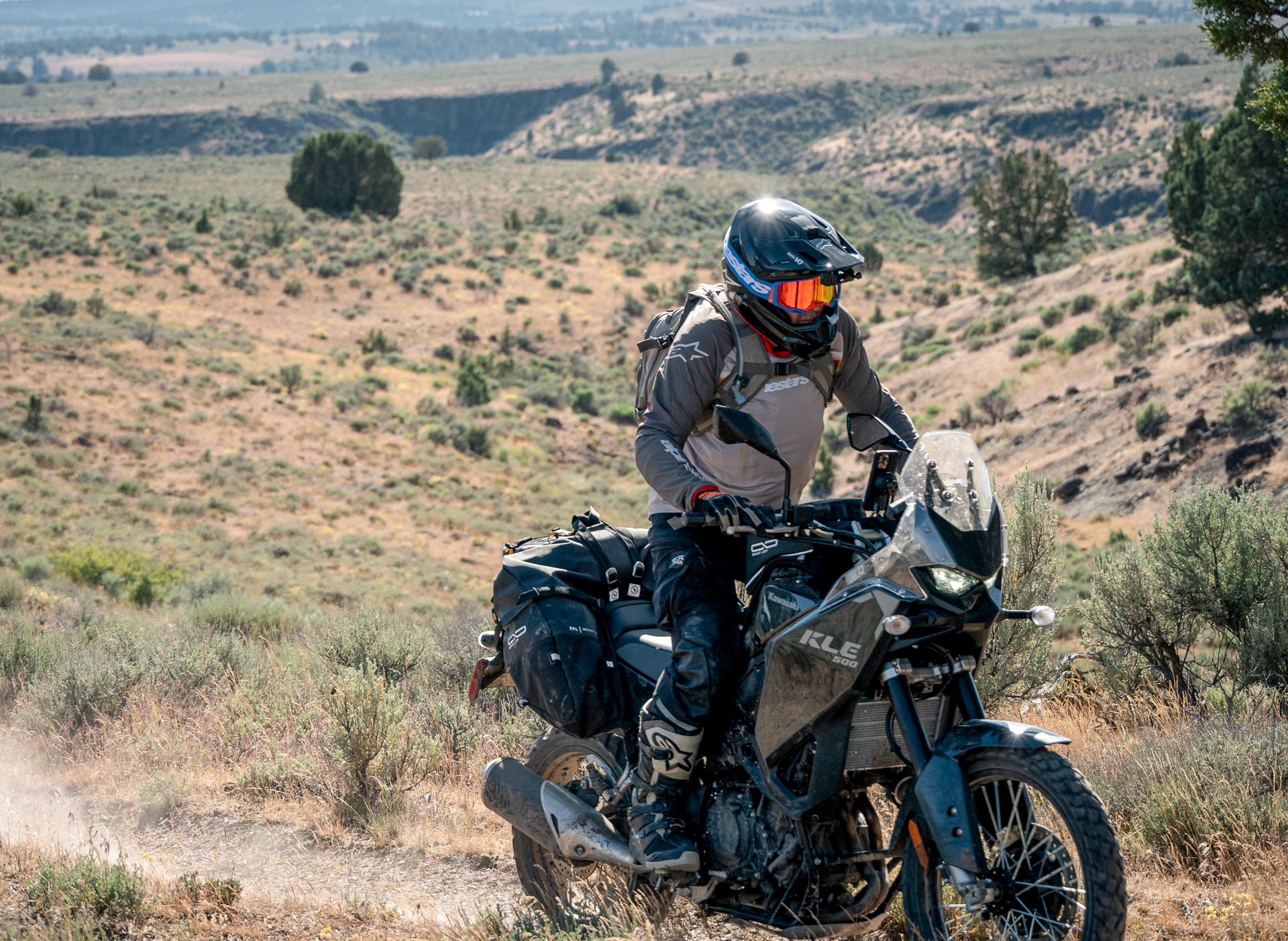
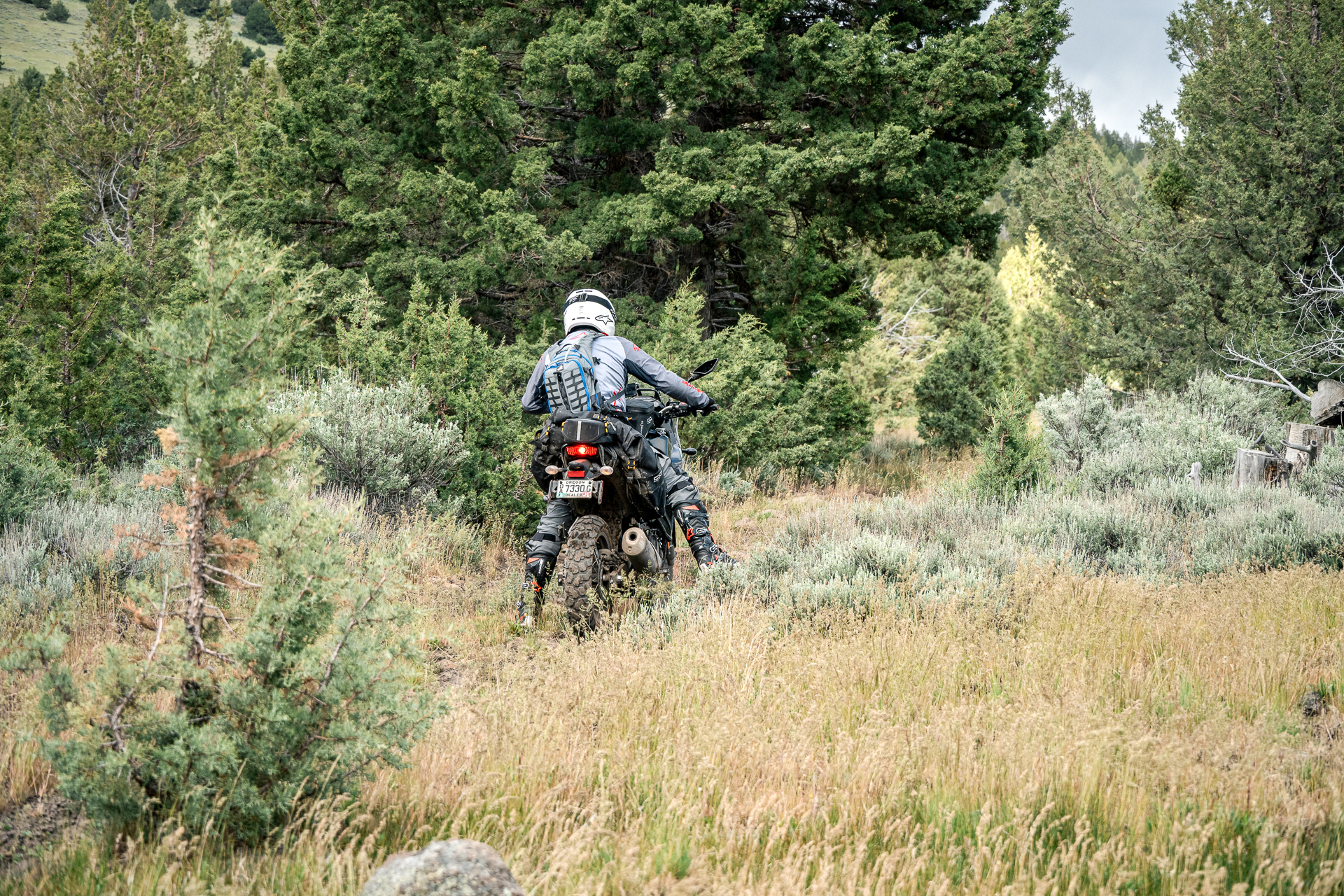
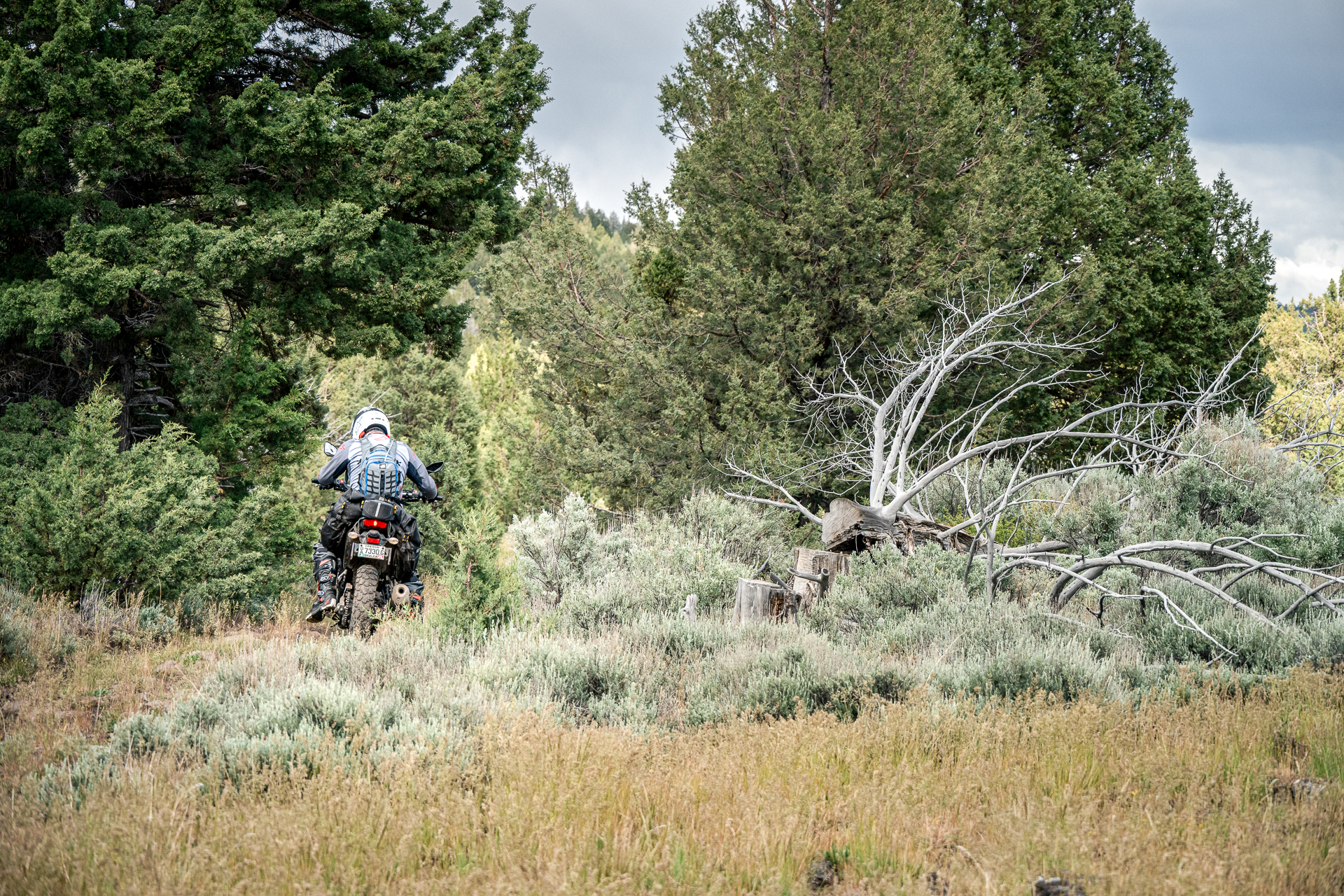
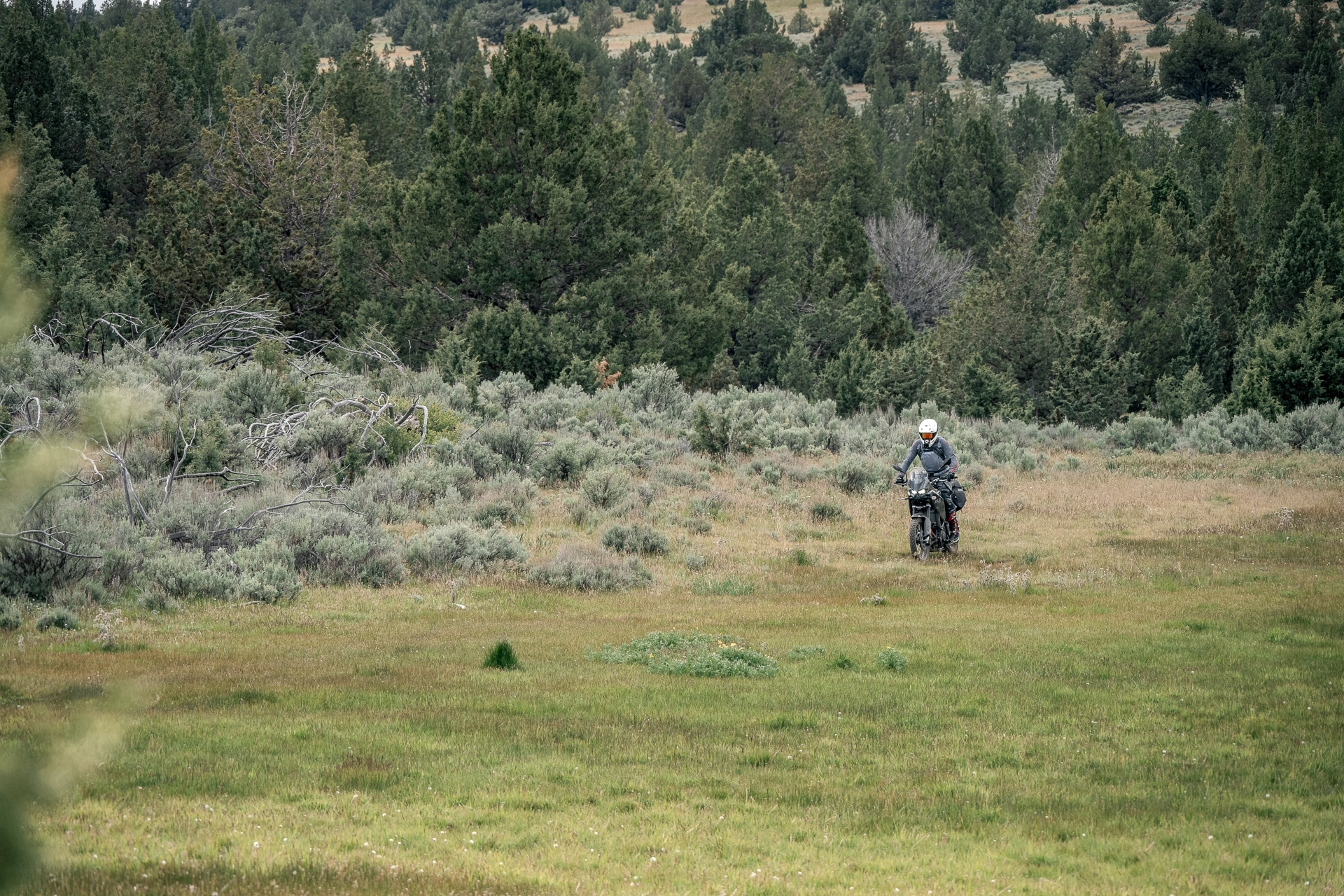
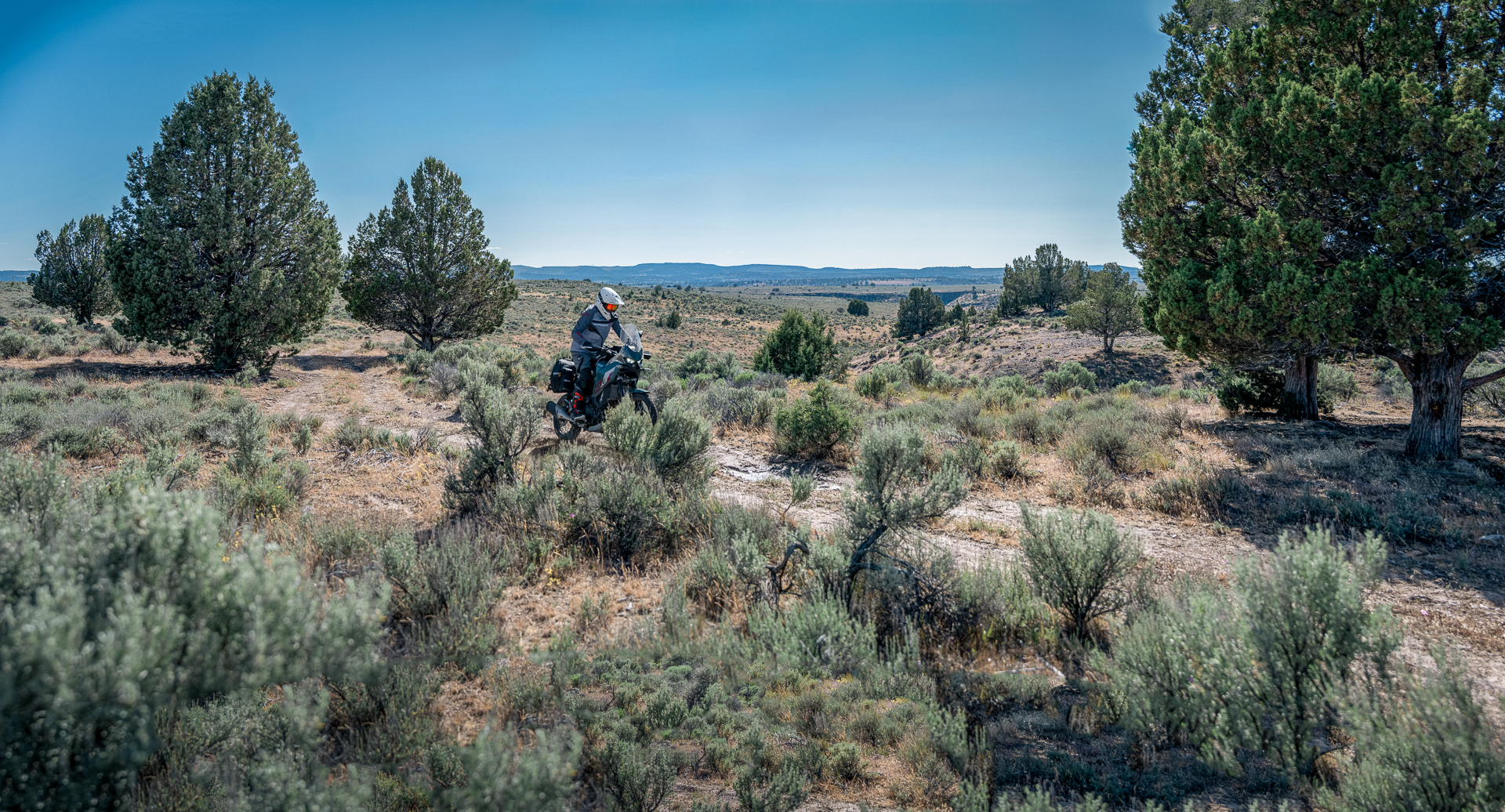
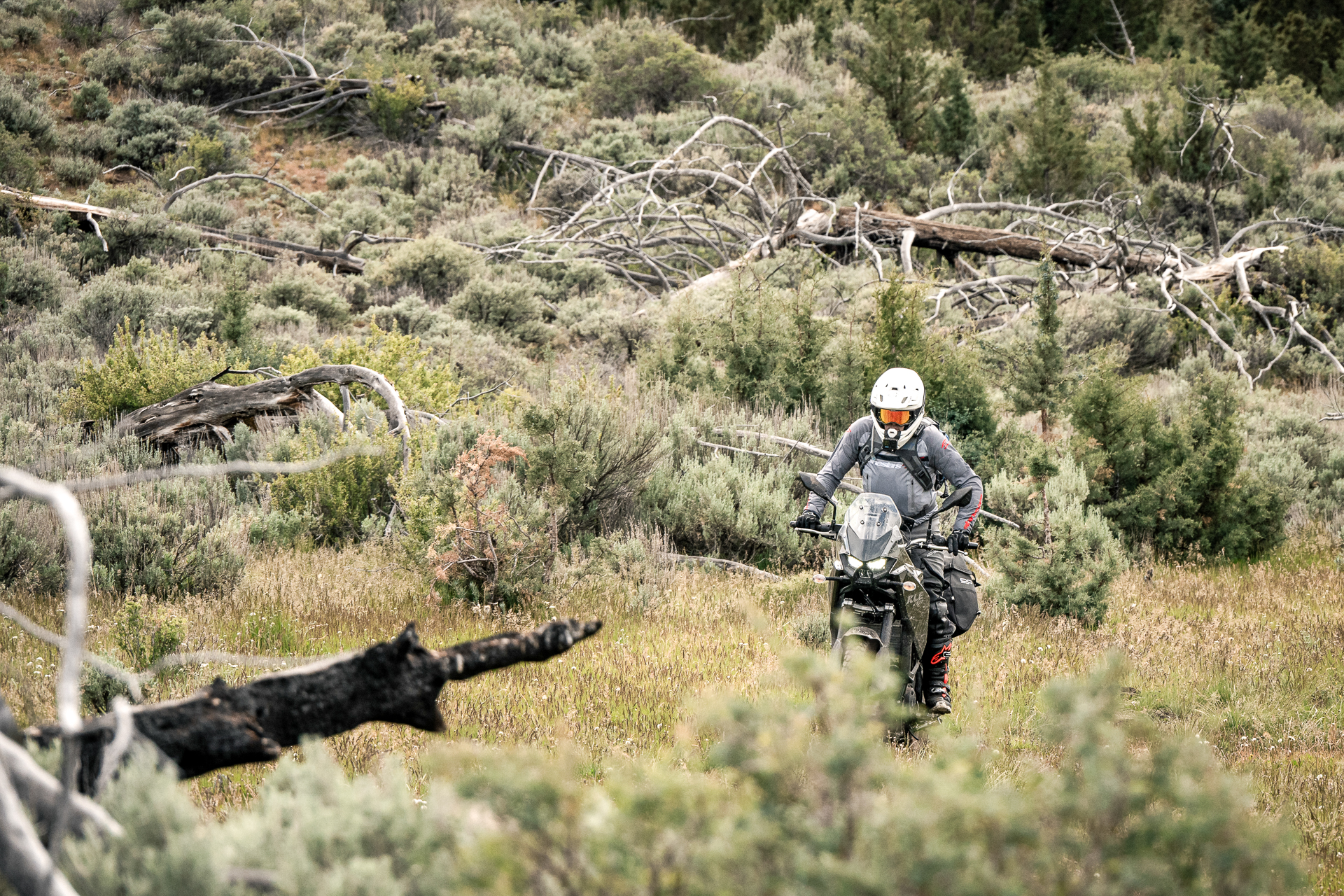
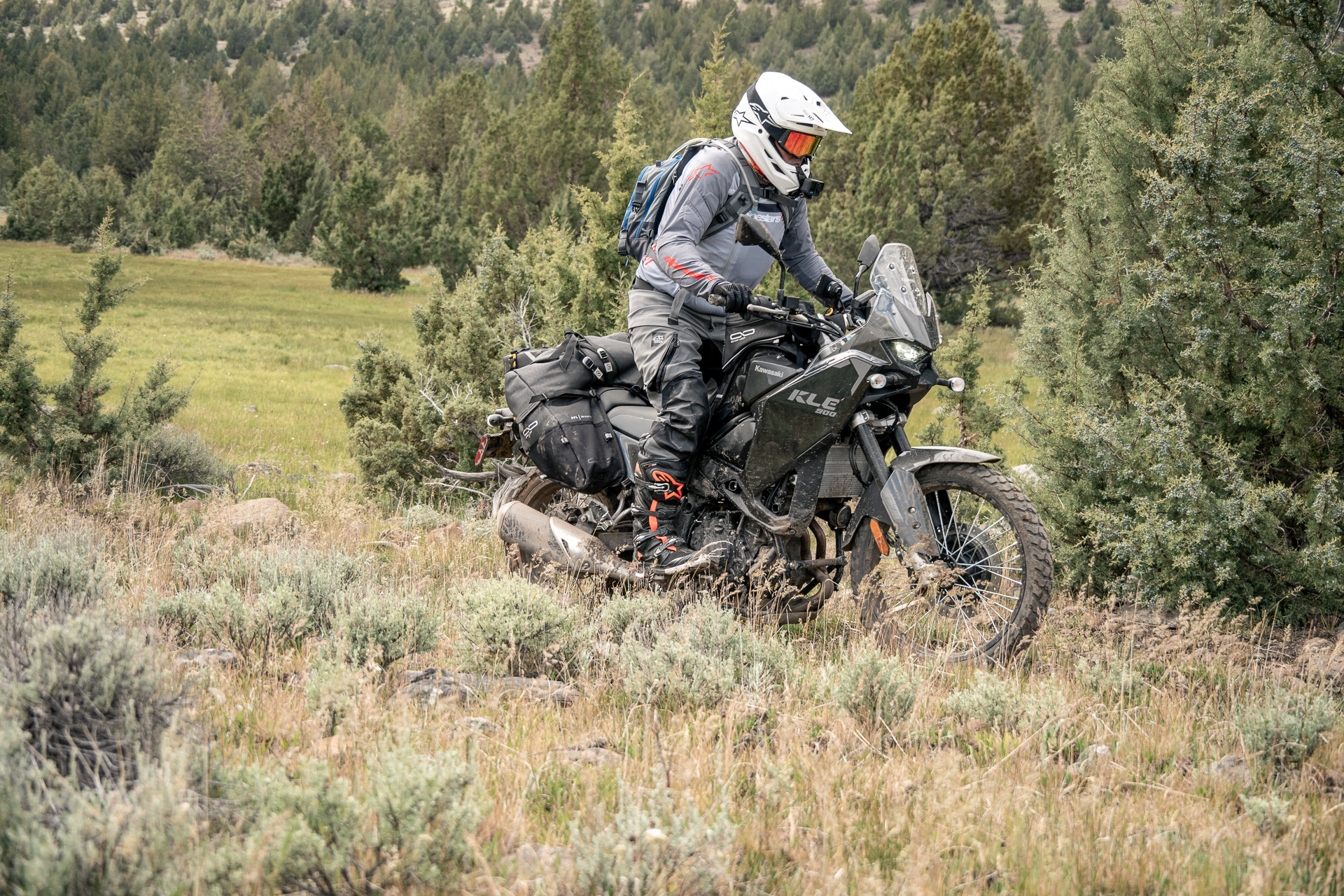
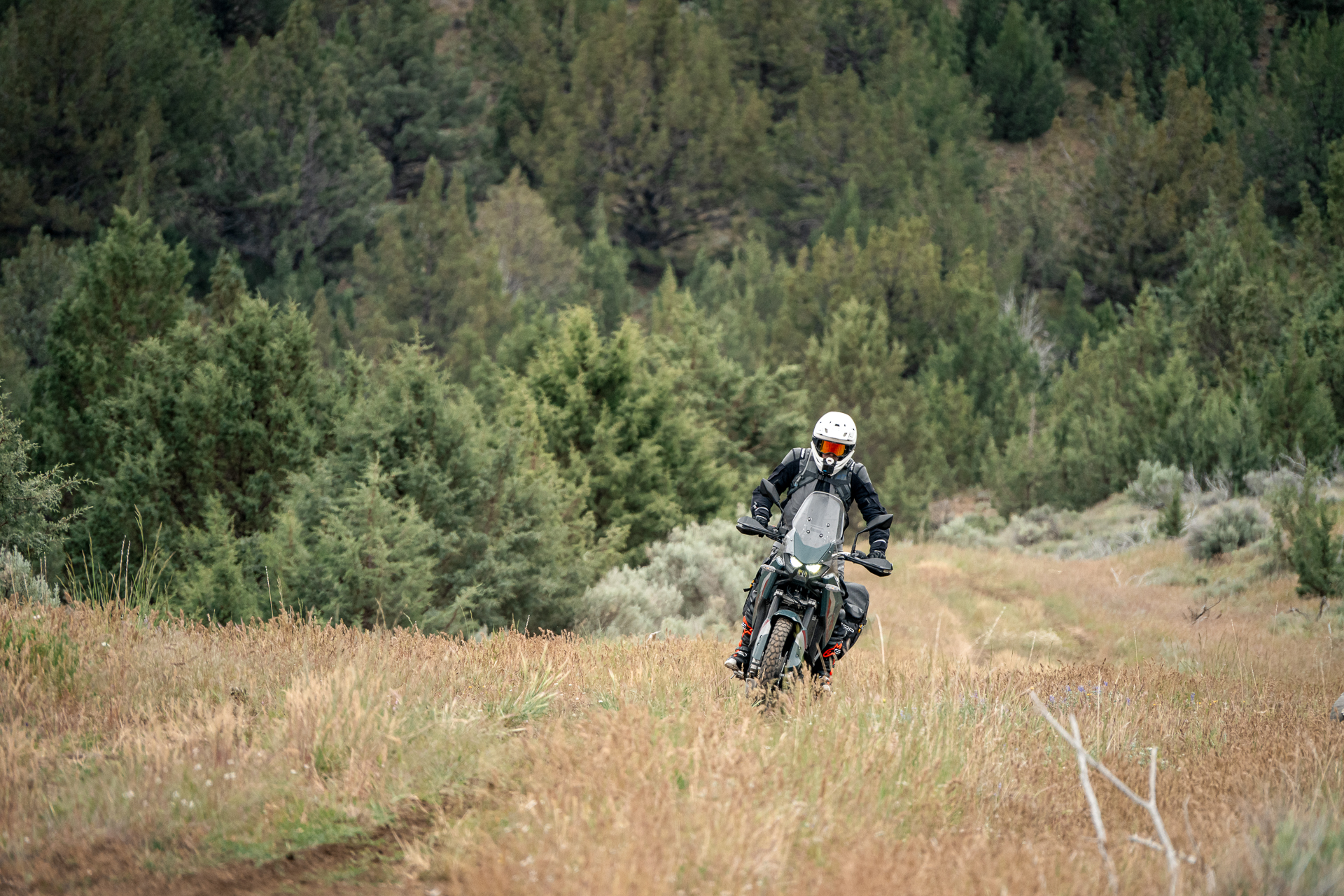
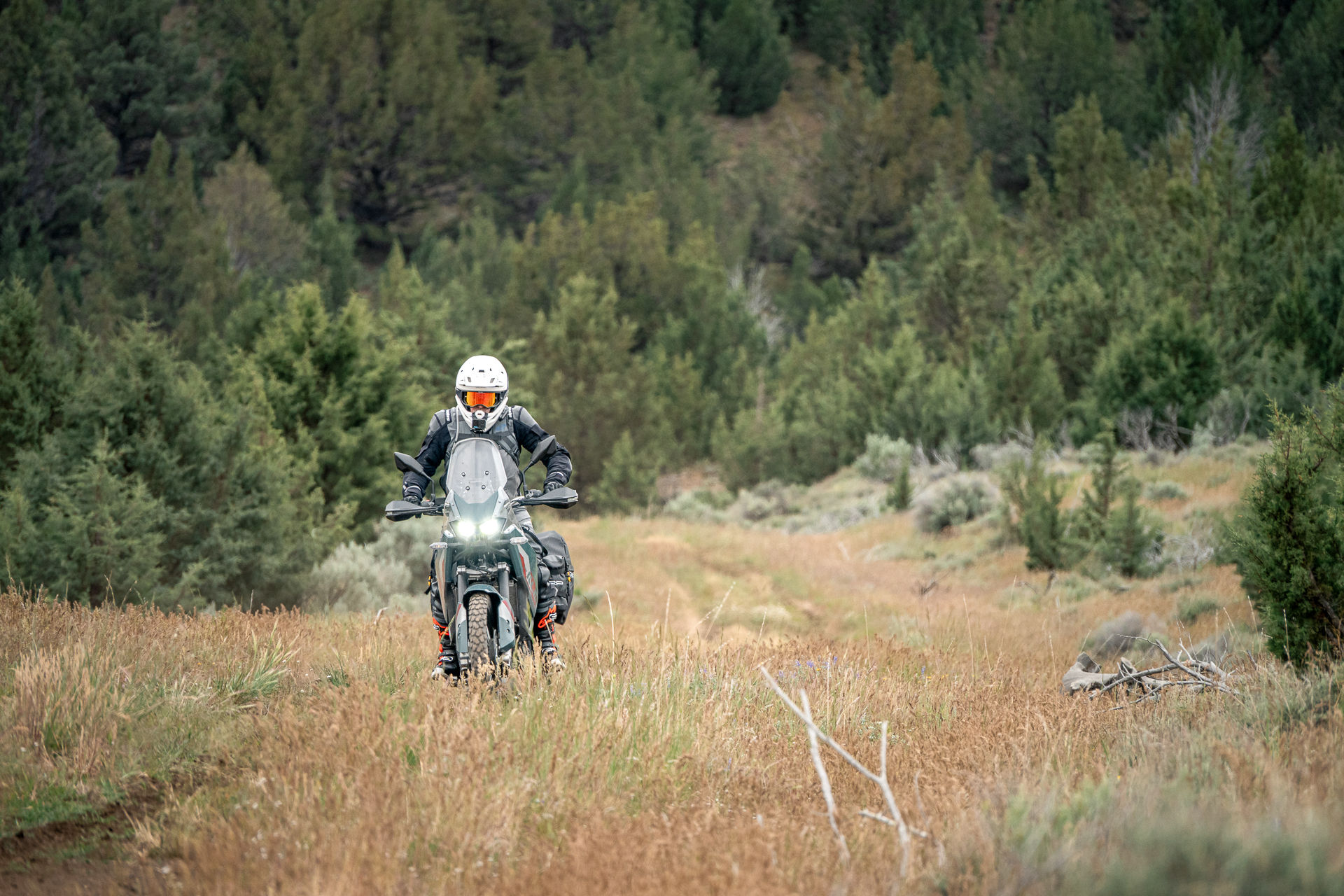
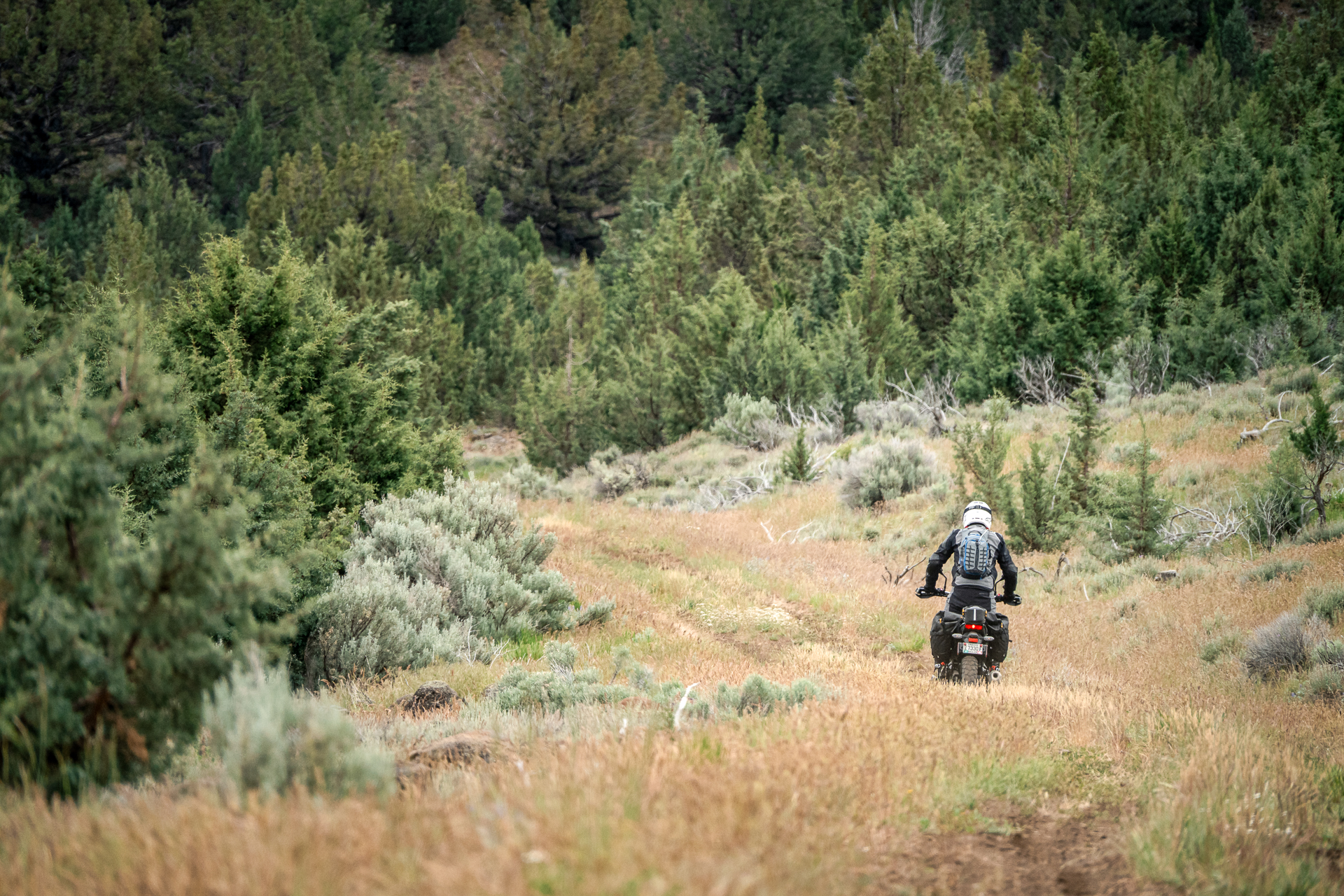
Our most demanding ride of the weekend was the S14A North Steens to Alvord country, a route that began with easier miles before opening into the kind of terrain that defines proper adventure riding. Pavement gave way to gravel, gravel to ranch tracks, and the tracks began threading through cattle guards, rocky sections, open hills, mud, and ruts left sharper by recent storms.
It was not hard enduro, and it was not meant to be. It was more useful than that. It was long, remote, and constantly changing, the kind of riding where speed matters less than reading the ground, managing energy, and keeping the group working together.
“The GPX line told us where the route intended to go, but the land still had the final word.”
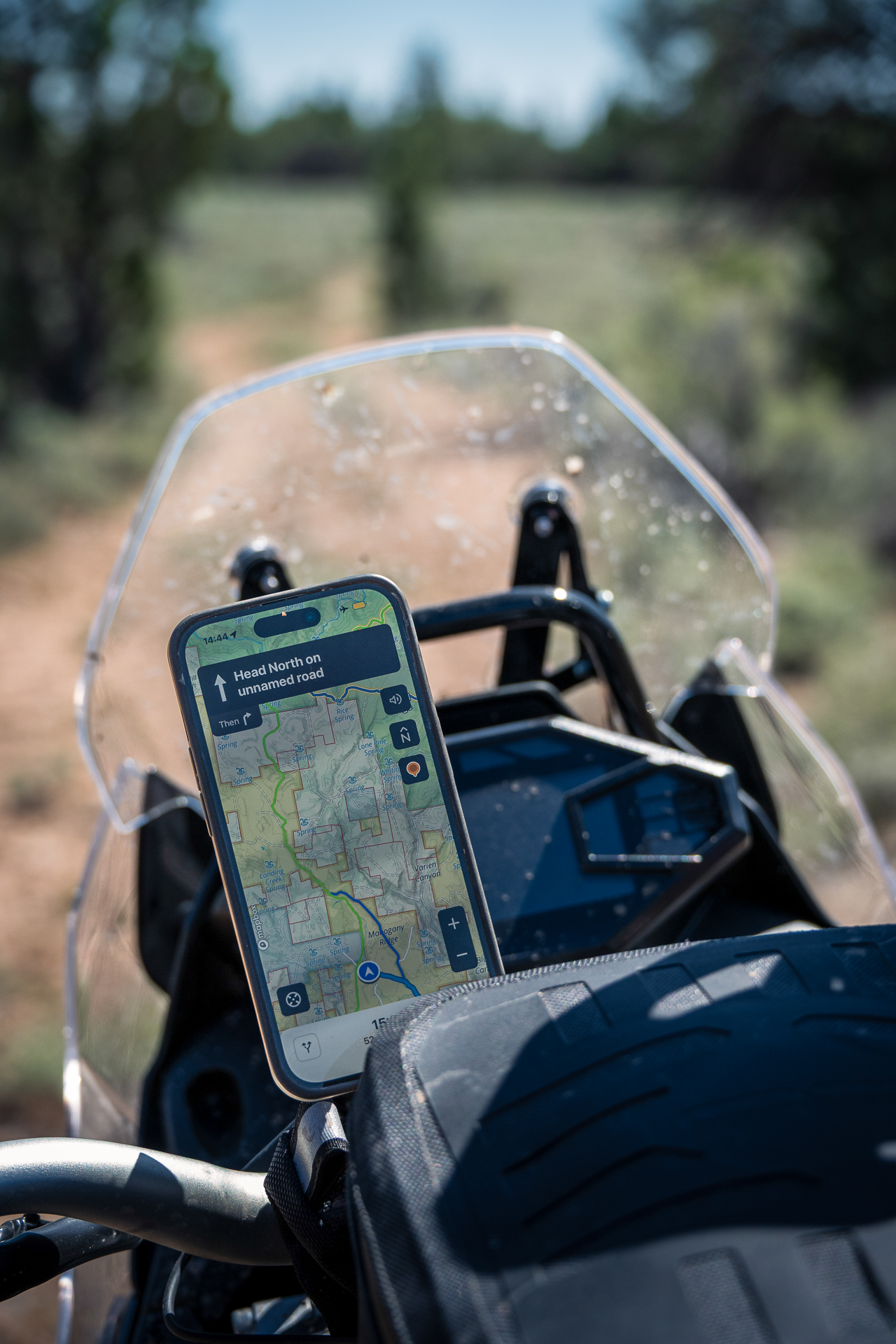
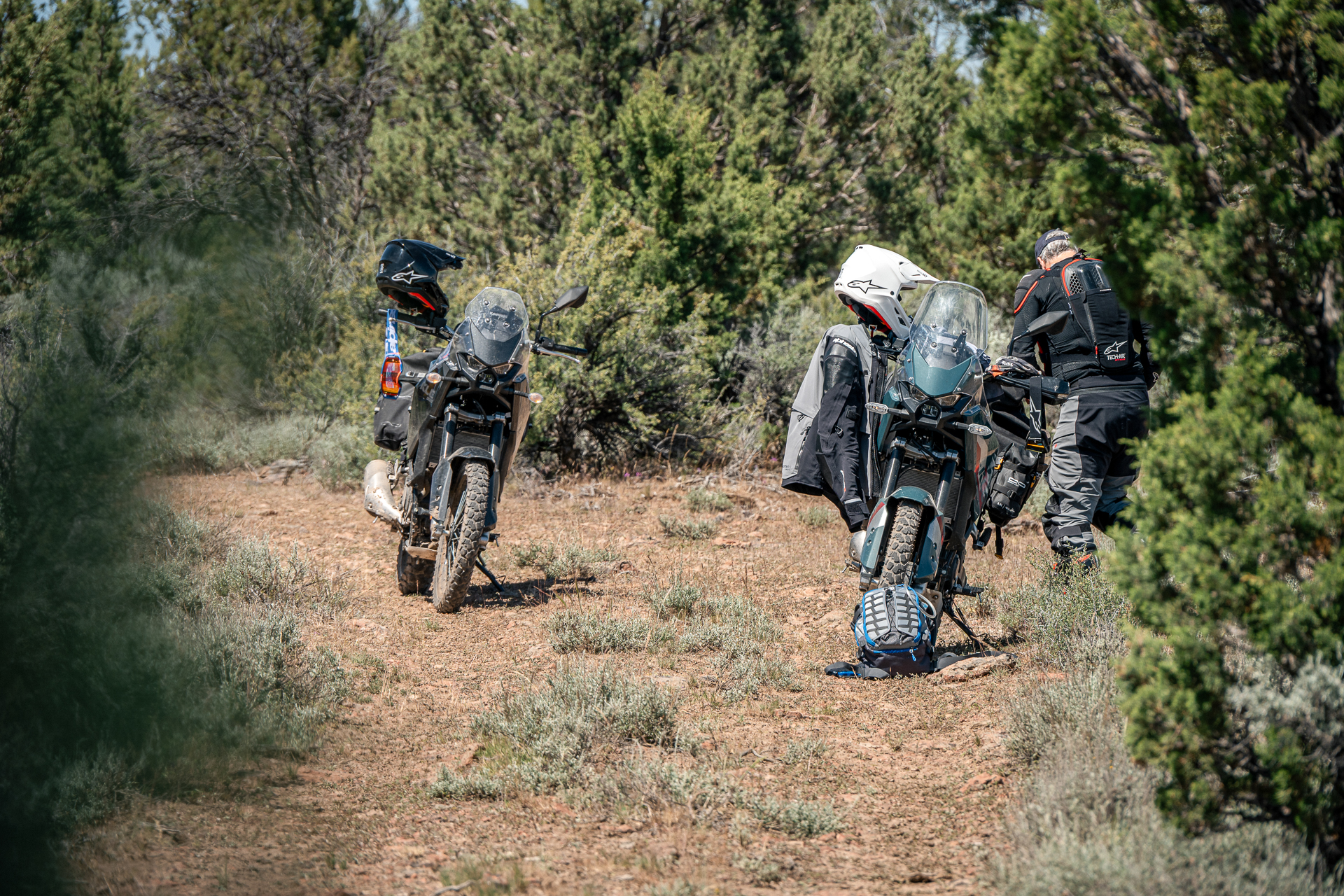
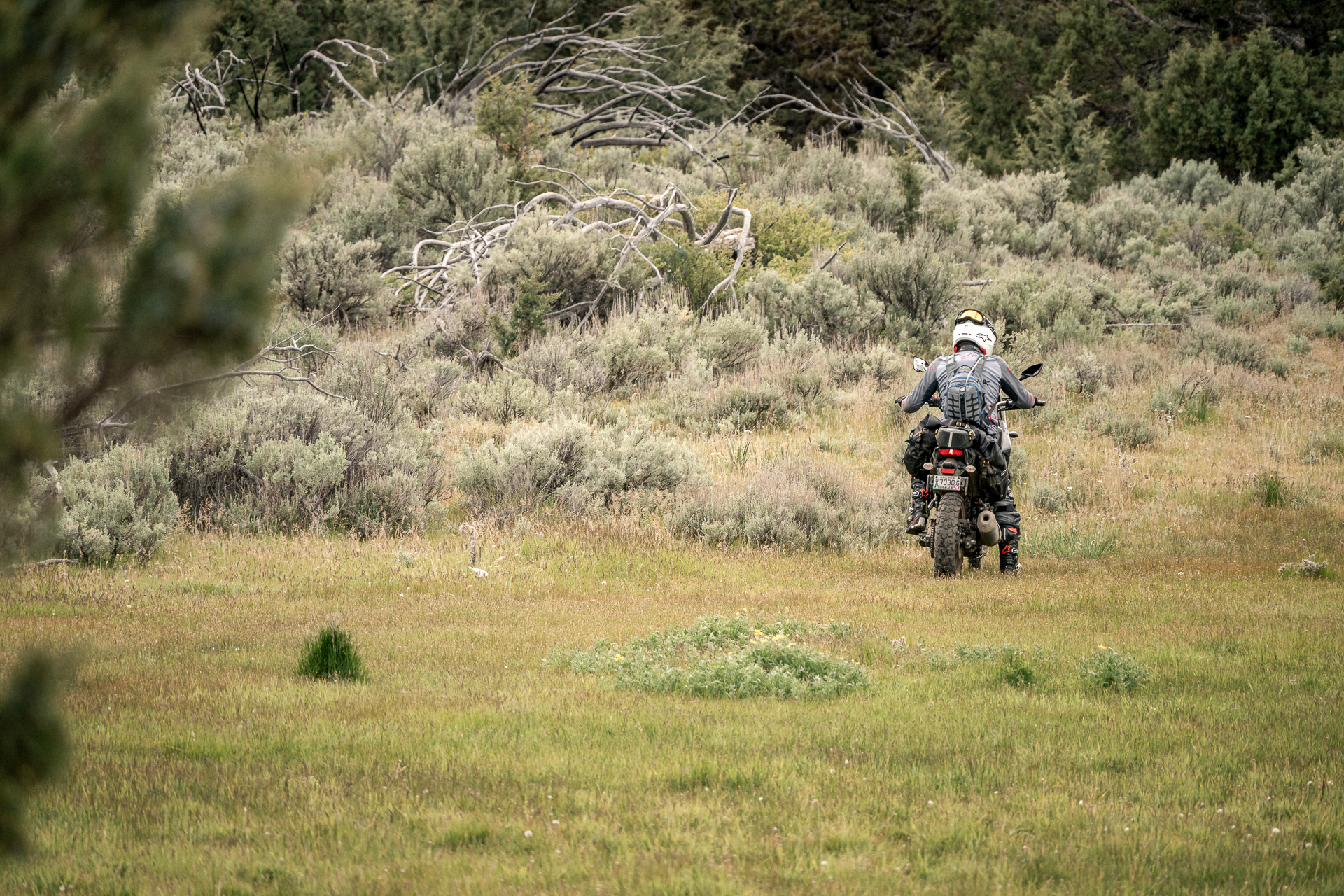
Navigation was never passive. The GPX line guided us, but a rut could change the decision. A muddy crossing could change the pace. A gate could change the plan. In that sense, the best routes at the Giant Loop Ride did what good adventure routes should do: they made riders participate.
The Giant Loop Community
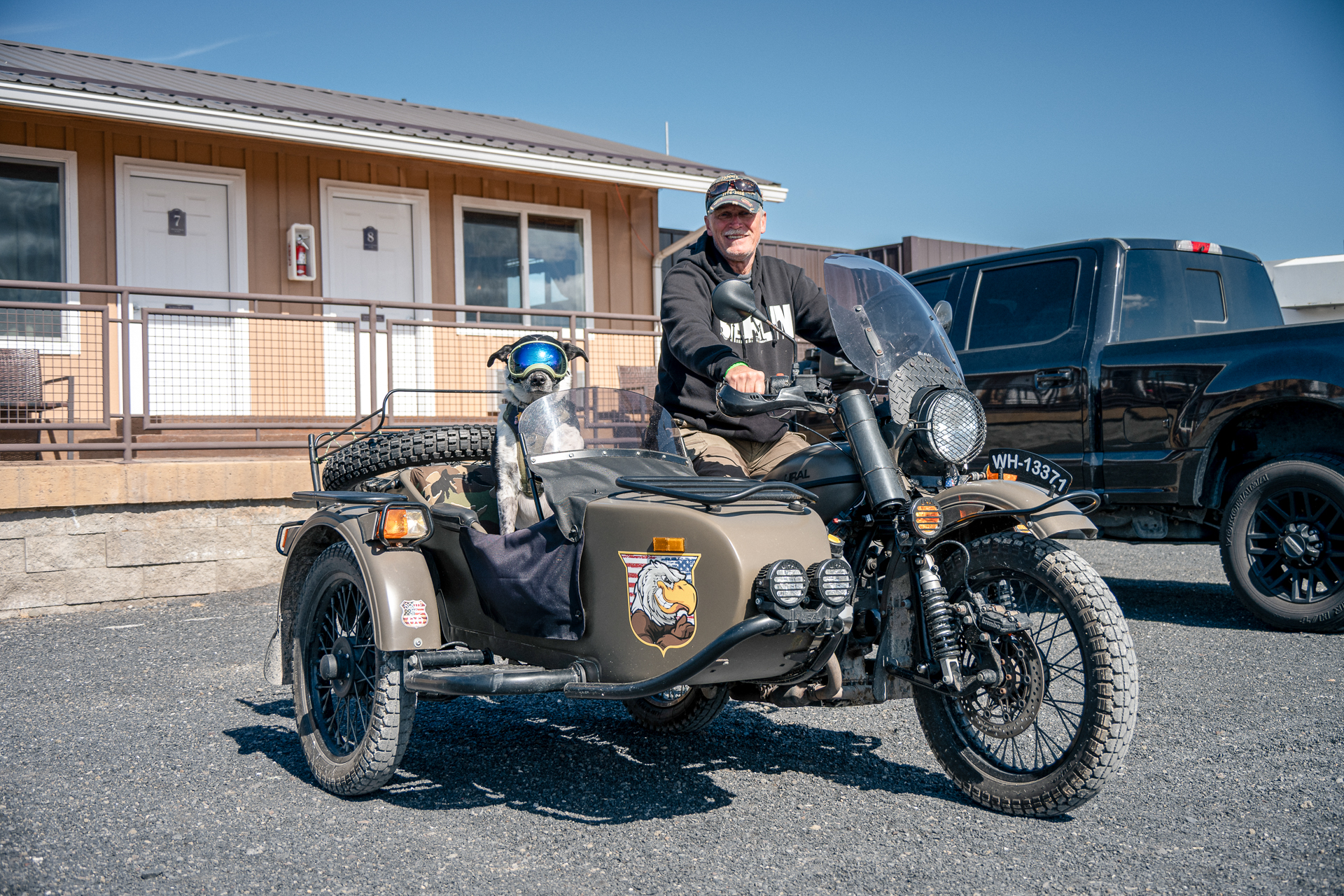
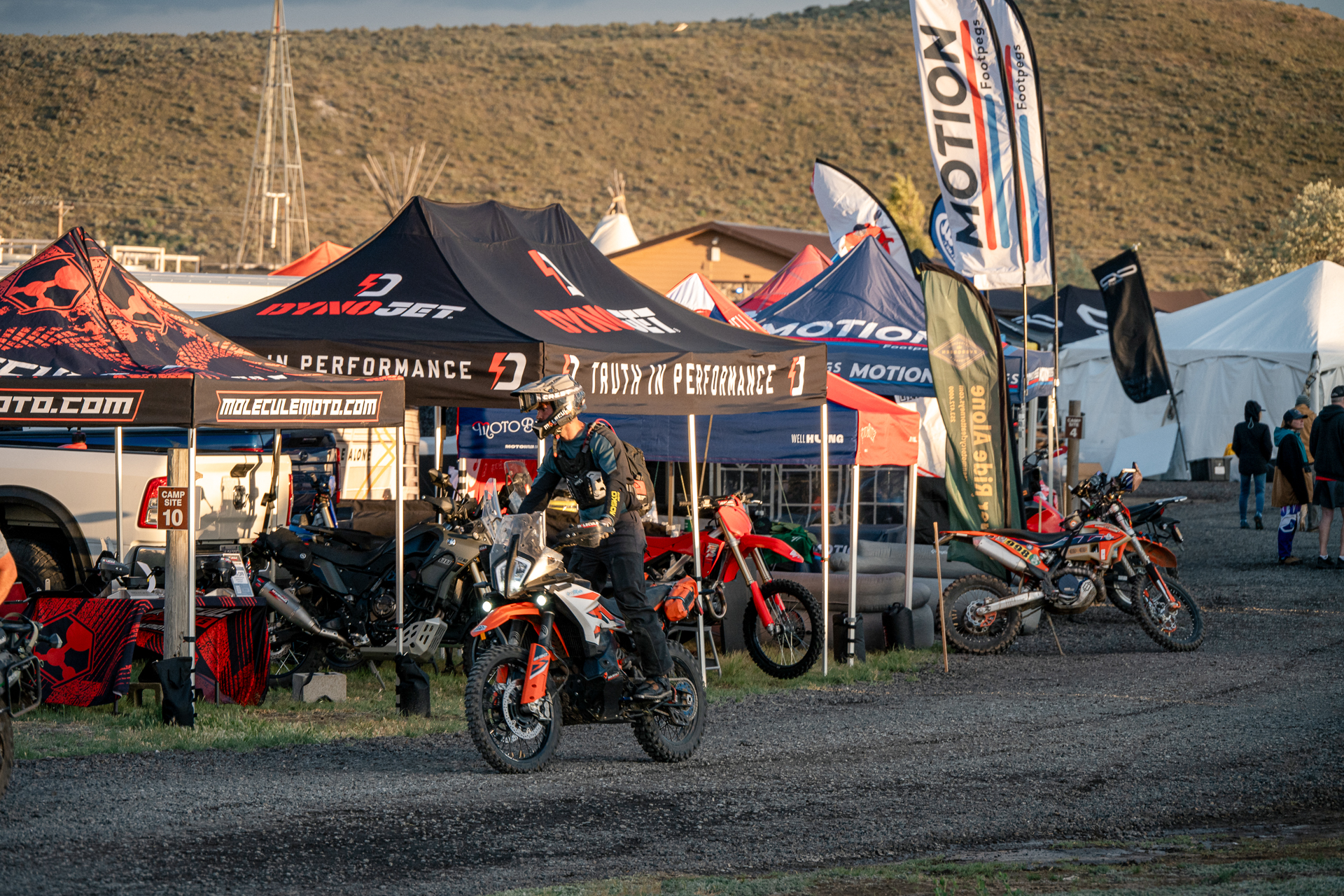
Back at camp, the mood changed without losing its purpose. Evenings were festive, technical, and family-like all at once. Families settled into RVs. Solo riders found new tables. Groups returned from different loops with different versions of the same satisfaction. One rider wanted to talk about tires. Another wanted to know what the mud was like farther south. Someone had news from a BDR presentation. Someone else had won something in a raffle. Under the tent, the event felt like a large, moving conversation.
Joseph Pleich seemed to be everywhere, which is often the mark of a good event coordinator. Not staged, not distant, just present. Around the camp, that presence mattered. Giant Loop did not host the rally like a brand standing behind a table. It hosted it like a group of riders who understood timing, weather, food, routes, questions, and the importance of letting people feel looked after without being managed.
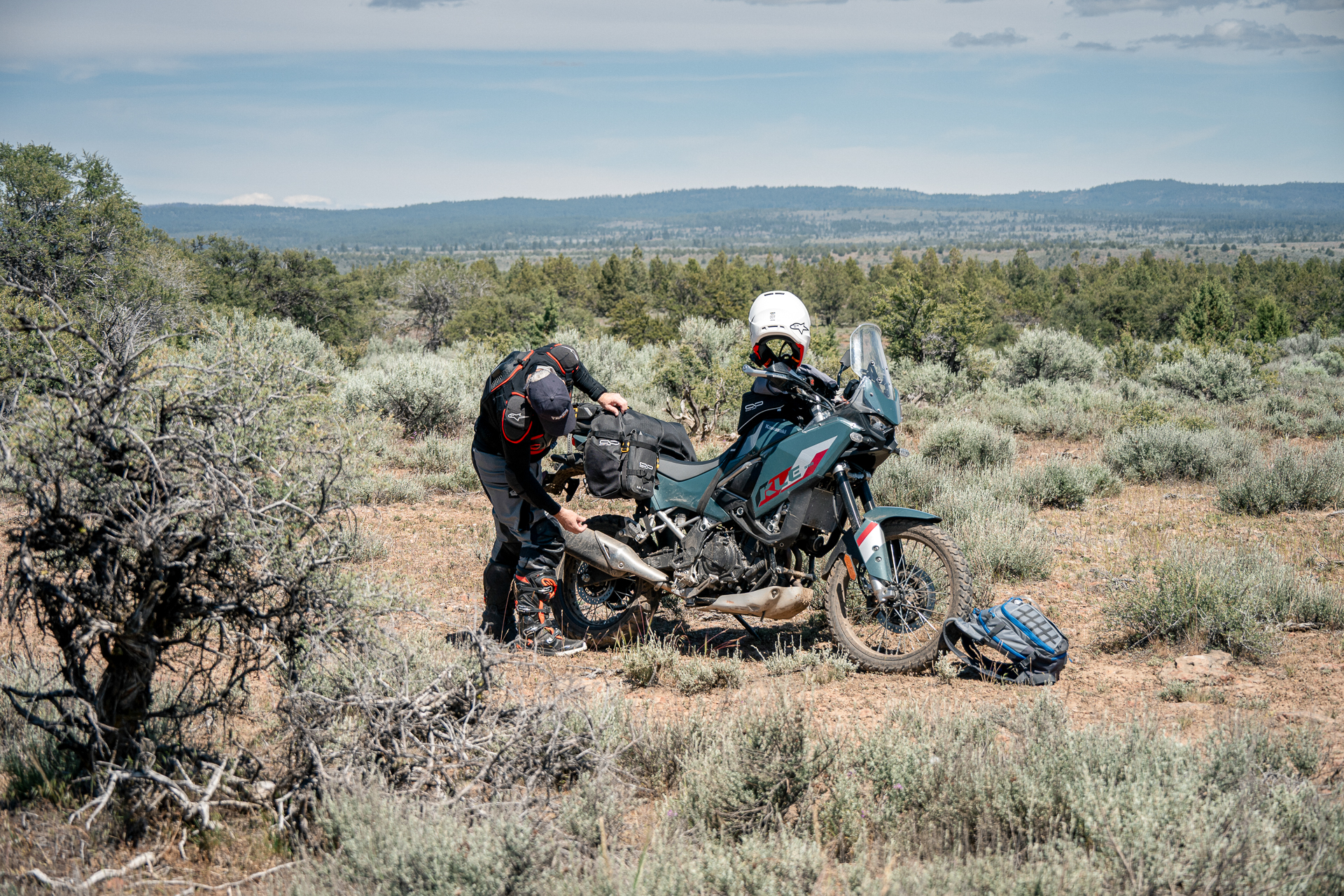
The clearest expression of that culture came from a rider, not from a microphone. At some point, we realized we were missing a spare 17-inch rear tube. In a city, that would be an inconvenience. In Eastern Oregon, depending on the route, it could become the difference between a delay and a real problem. Jeff Vandehey heard about it. He did not need to solve it. He did not owe us anything. But the next morning, a tube was waiting on our doorstep with a note.
In Eastern Oregon, that spare tube meant range, security, and a rider’s willingness to help someone keep moving. That is the part that stays with you after the dust has been washed from the bike.
An Invitation to the Interior
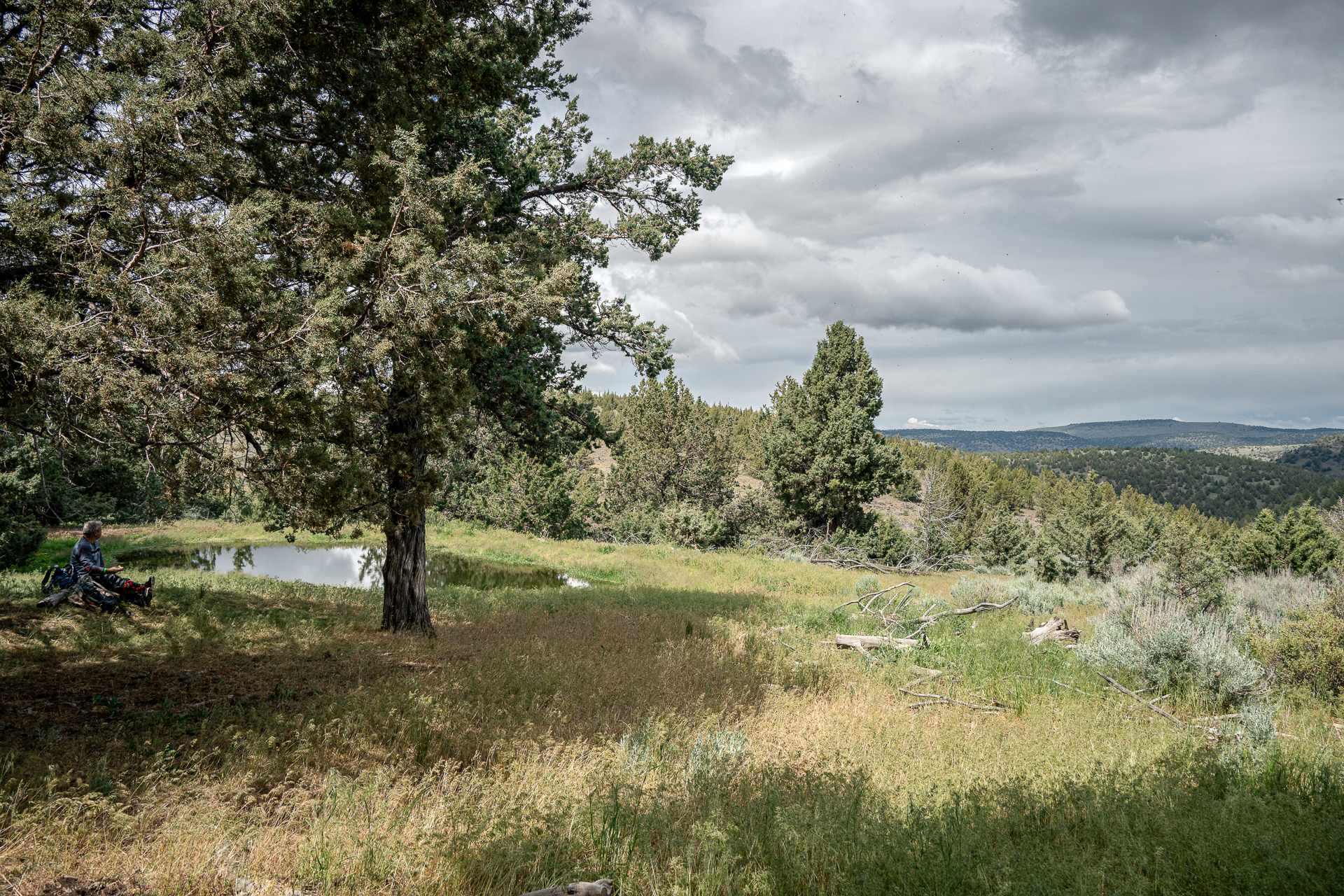
Yes, the routes were good. Yes, the terrain was beautiful in that rough, open, high-desert way. Yes, the organization was right for the kind of riders who come to an event like this. But the real measure of the Giant Loop Ride was how naturally people helped each other get farther, ride smarter, and come back with better stories.
For adventure riders, the invitation is simple: Bring a plated motorcycle, a reliable setup, a realistic sense of your own ability, and enough curiosity to let Eastern Oregon work on you. Choose the right route, ask the right questions, ride with good judgment, and leave room in your luggage for what you will carry home.
Words by: Mike de la Torre – Photo Credits: BTA Media
Articles in this issue

The Iron Giant Called Us Back
For the 30th Red Bull Erzbergrodeo, BTA returned to Eisenerz to witness a mountain celebrating its past, changing its sound, and pushing 500 riders to the edge“Some places stay with you long...
Across Oregon’s Many Faces
Stolen Miles Cascades, lava fields, high desert, hot springs, and the Giant Loop Ride At BTA Magazine, we are always looking for the kind of journey that still carries the taste of discovery. Not...
Chasing Dust Through Patagonia
Volcanoes, Gravel Roads, and Long Days Riding Out of Bariloche Chapter 2Every long ride has a turning point. A moment when the outward journey ends and the road quietly pivots, pulling you back...

2027 KTM 890 Adventure R Rally
2027 KTM 890 Adventure R Rally Built for the Long Way Around and the Hard Way Through“There are motorcycles designed to reach the end of the road. Then there are motorcycles built for the...
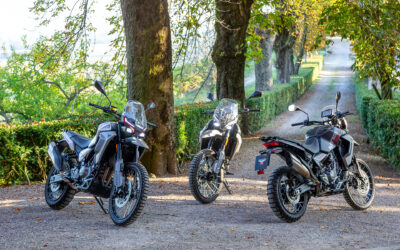
Moto Morini Alltrhike 450
Moto Morini Alltrhike 450 The Golden Eagle Takes Flight Into Lightweight AdventureMoto Morini is stepping into an increasingly competitive and exciting corner of the adventure motorcycle world with...
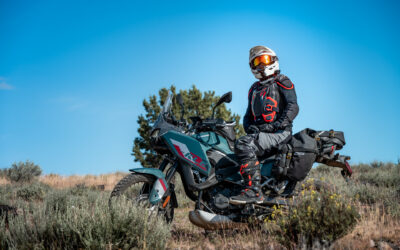
Alpinestars Tech-Air Off-Road Airbag System
Active Protection Where the Trail Turns UnpredictableFor several days in Oregon, the Alpinestars Tech-Air Off-Road Airbag System became part of the morning routine. Put it on, close it correctly,...