
Across Africa
From the Atlas to the Atlantic
Some trips begin long before the first mile. Months of maps, border rules, fuel gaps and weather charts shape a quiet plan, the kind that asks for patience and respect. Africa rewards riders who prepare for long stretches without gas, shifting sand, and the thin strip of no man’s land that separates one country from the next. Solo travel turns every choice into a conversation with the road. You pack for cold dawns and fierce afternoons, keep copies of documents ready, and leave room for the unexpected. The ferry from Almería marks the first break, the moment when Europe fades and Africa begins to draw you in.
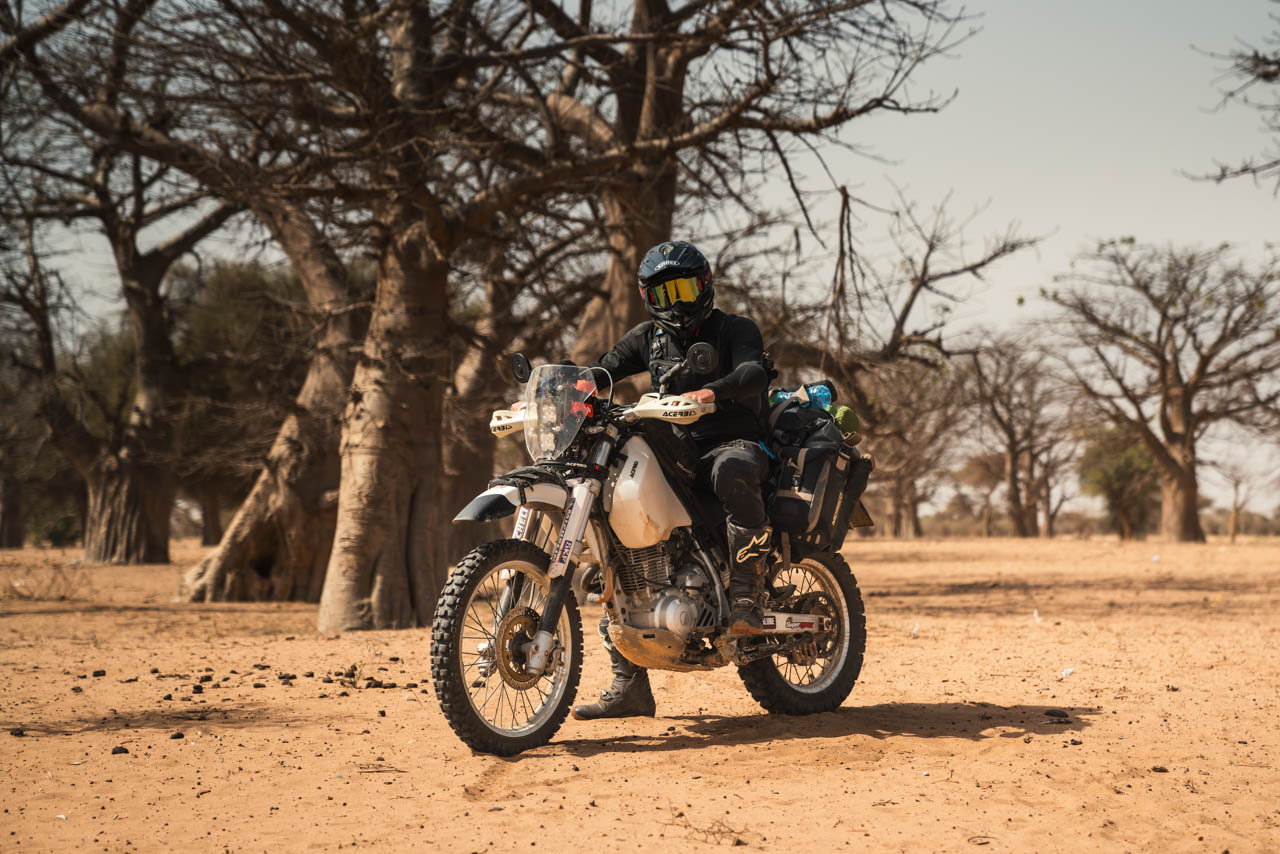
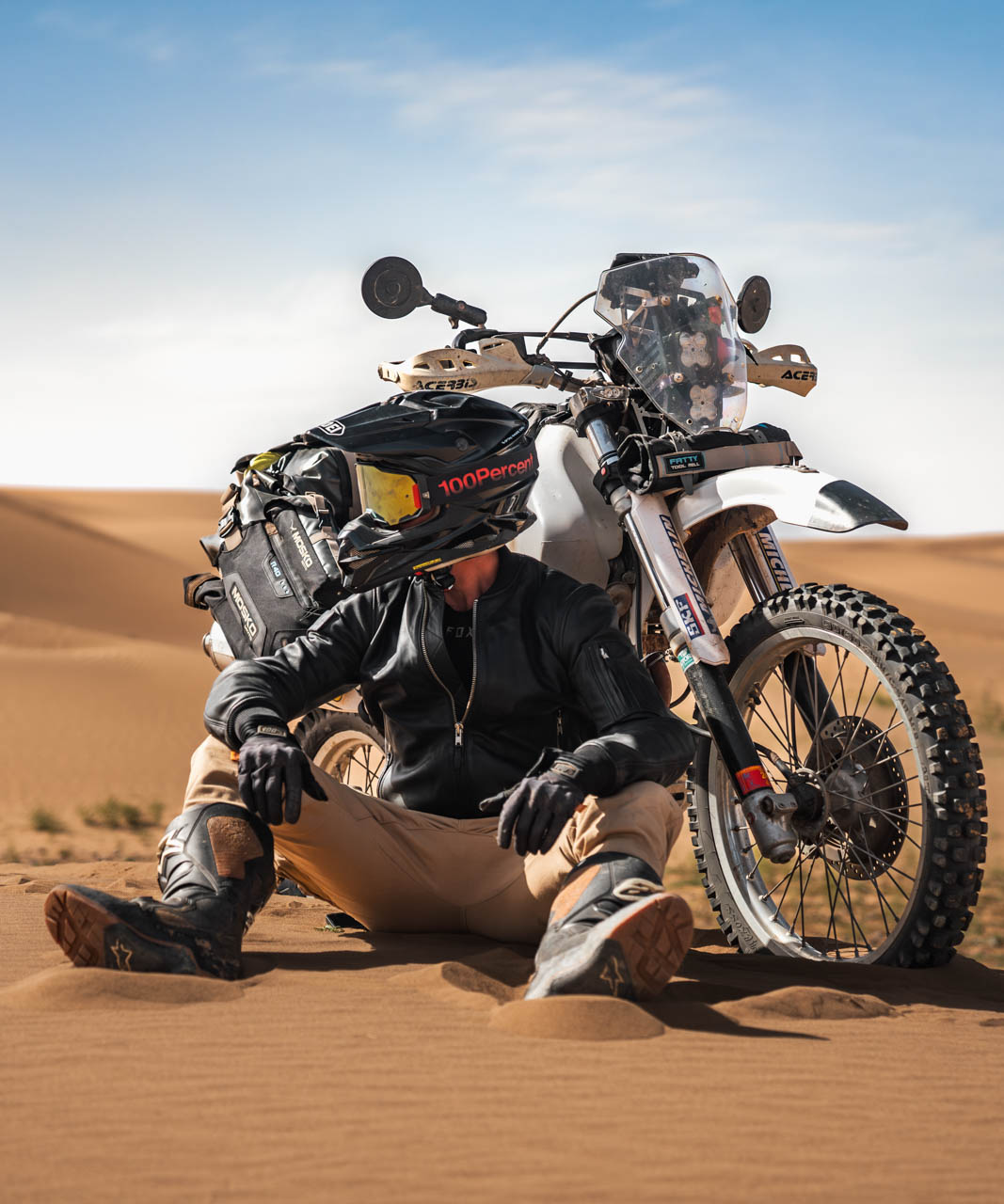
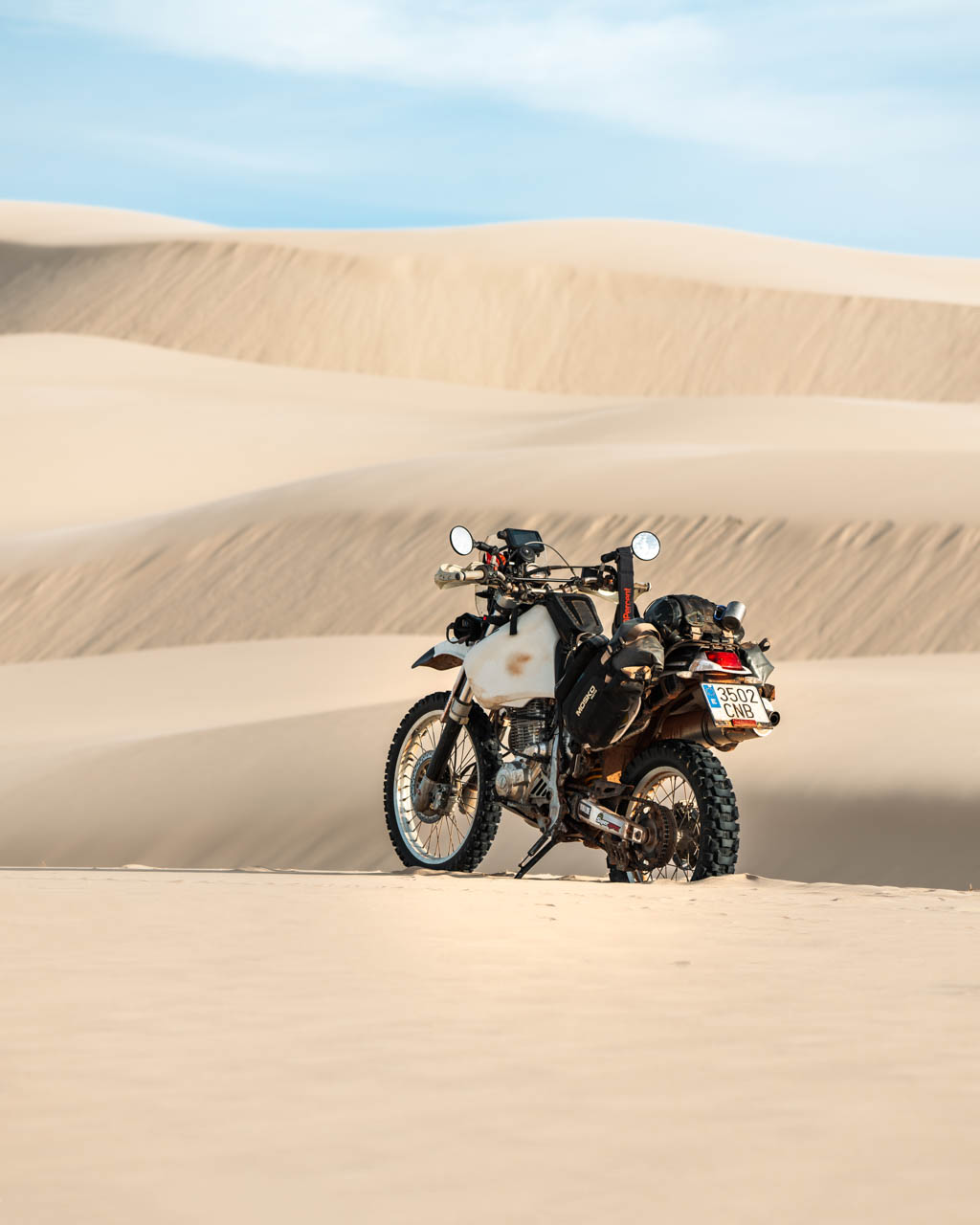
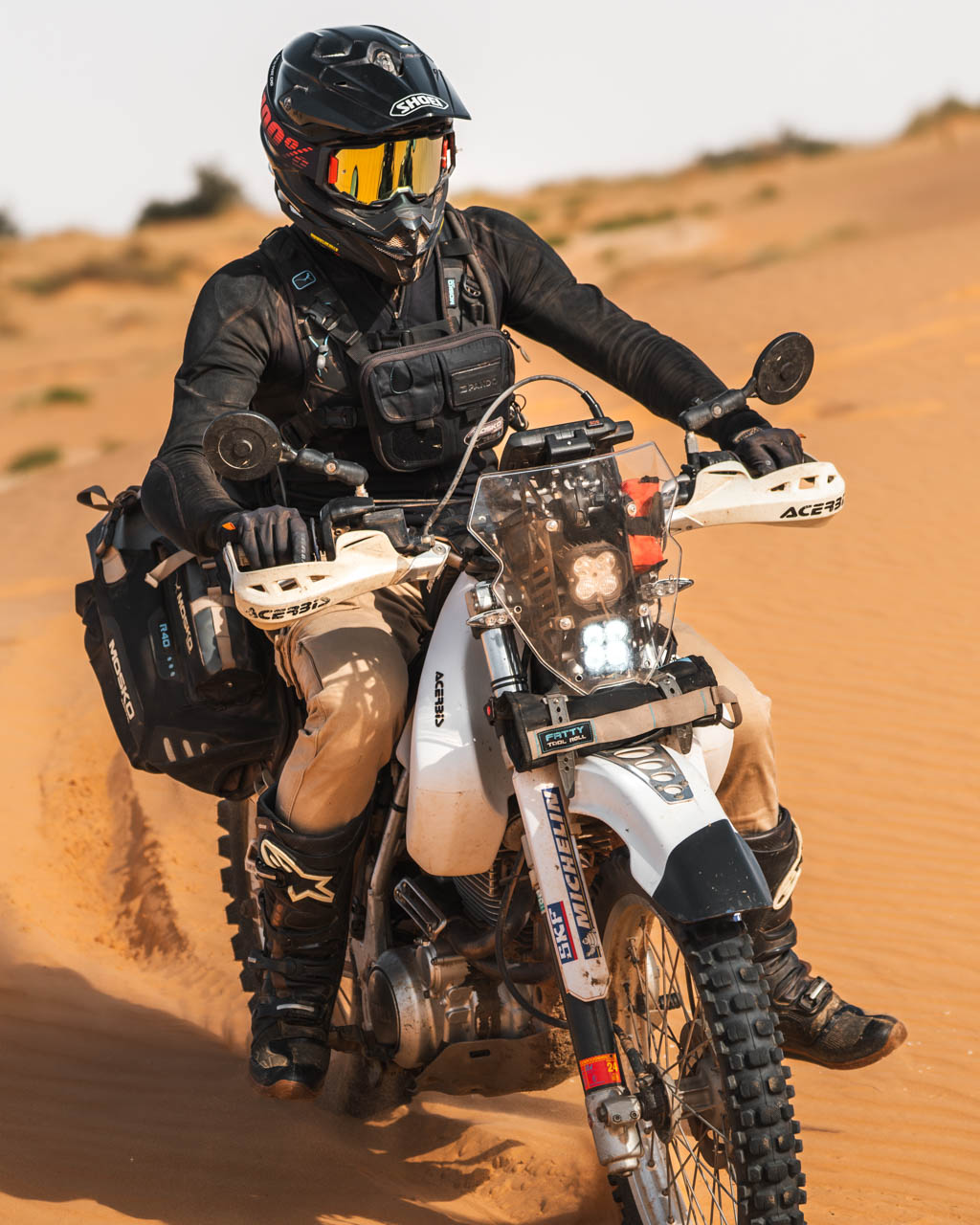
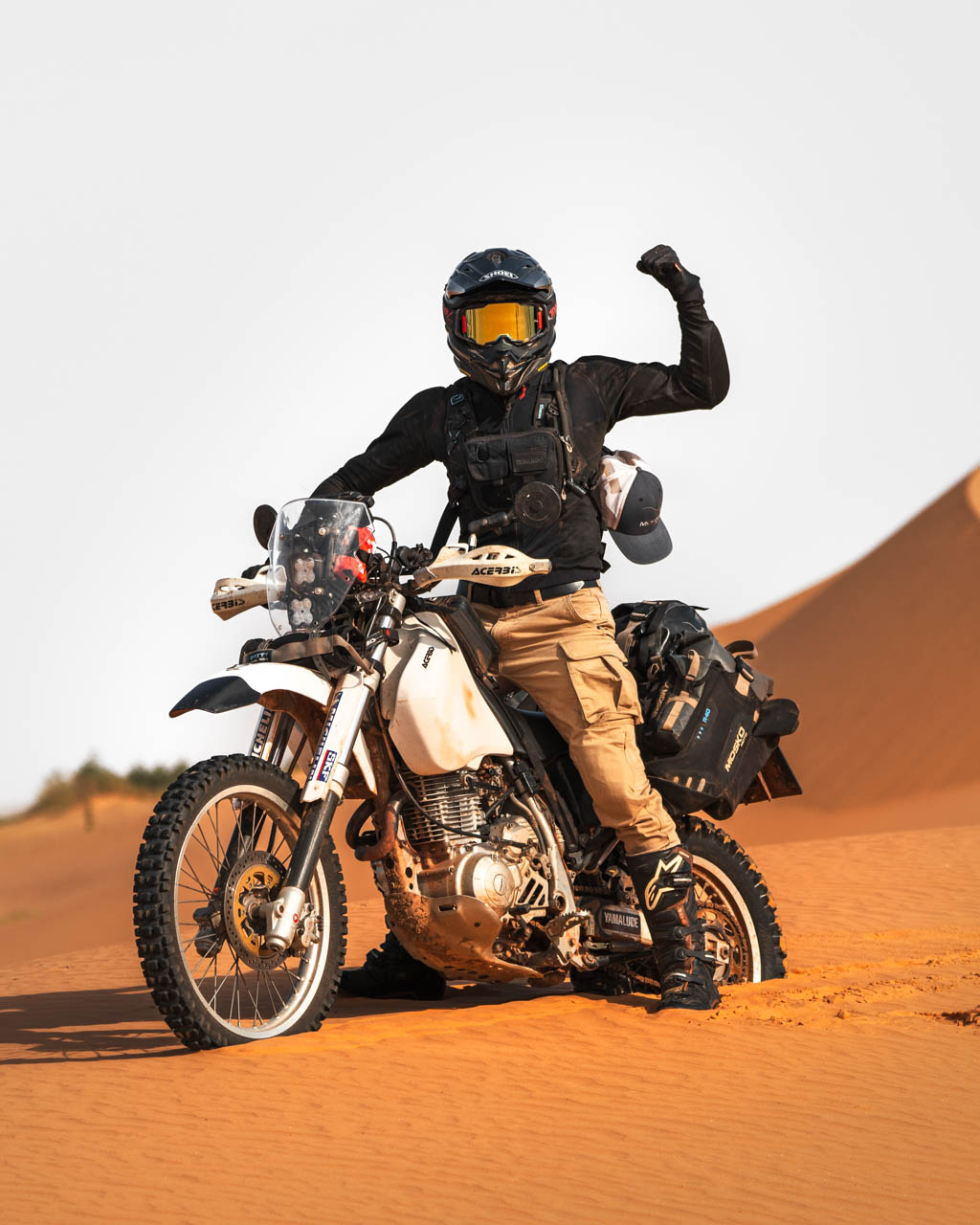
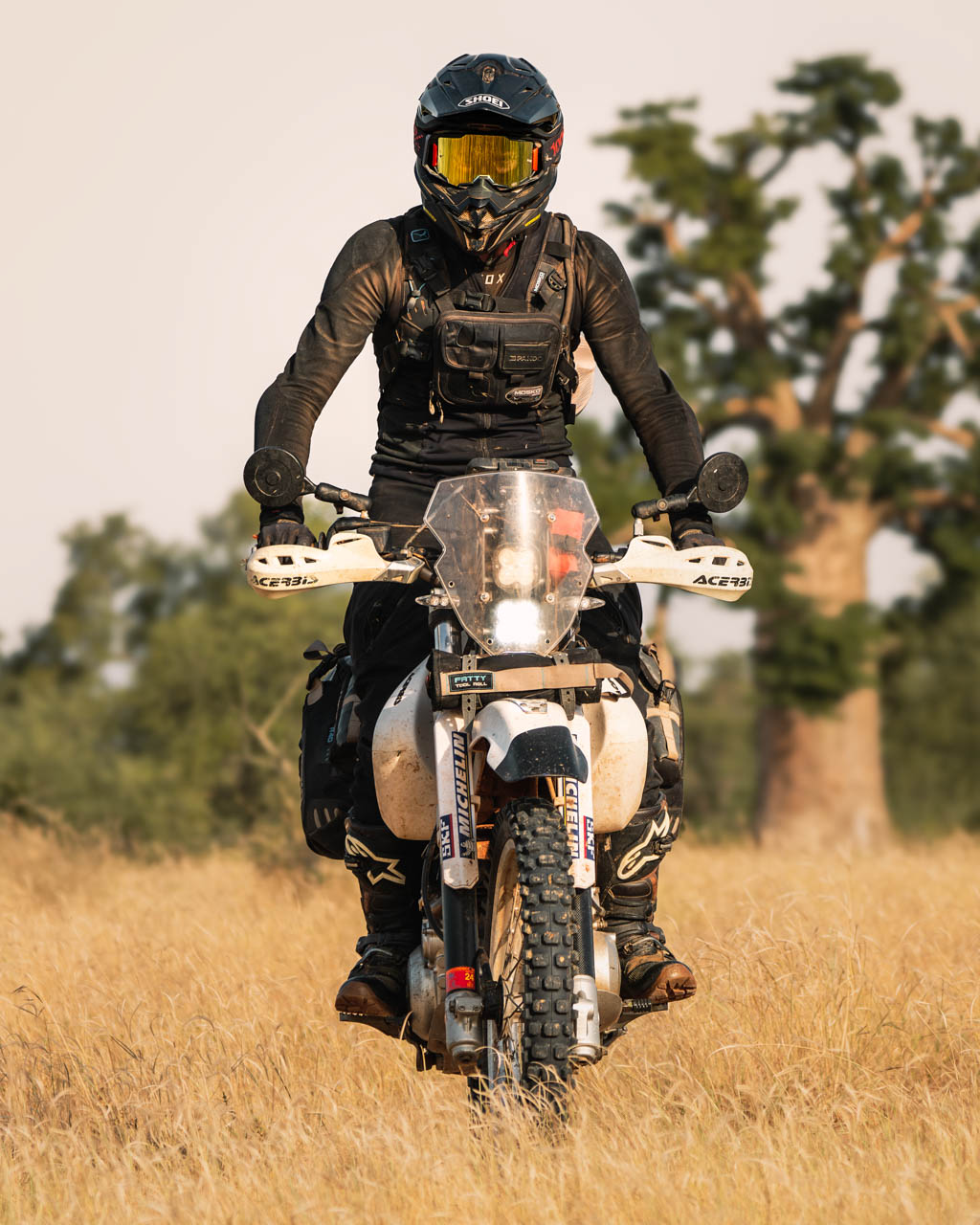
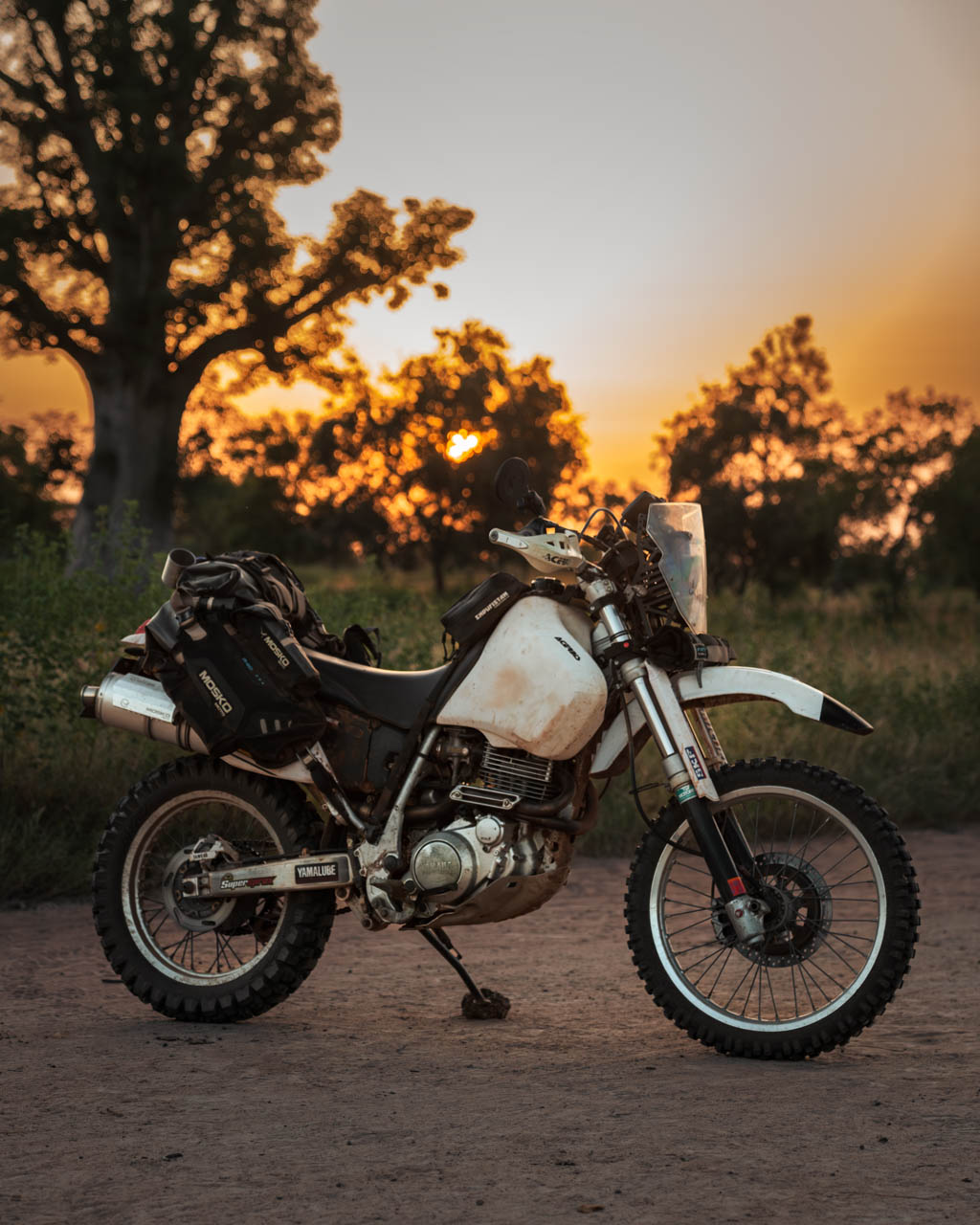
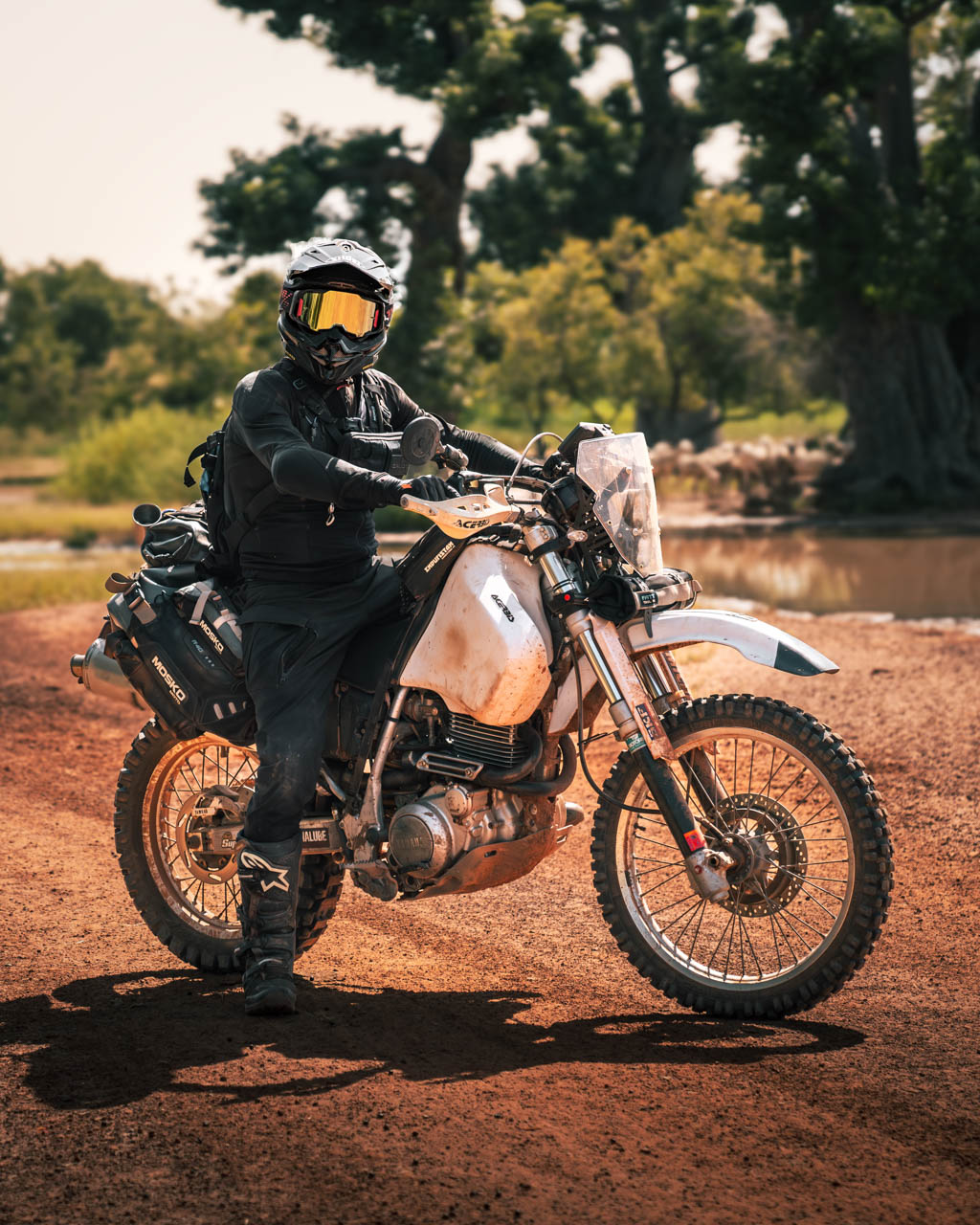
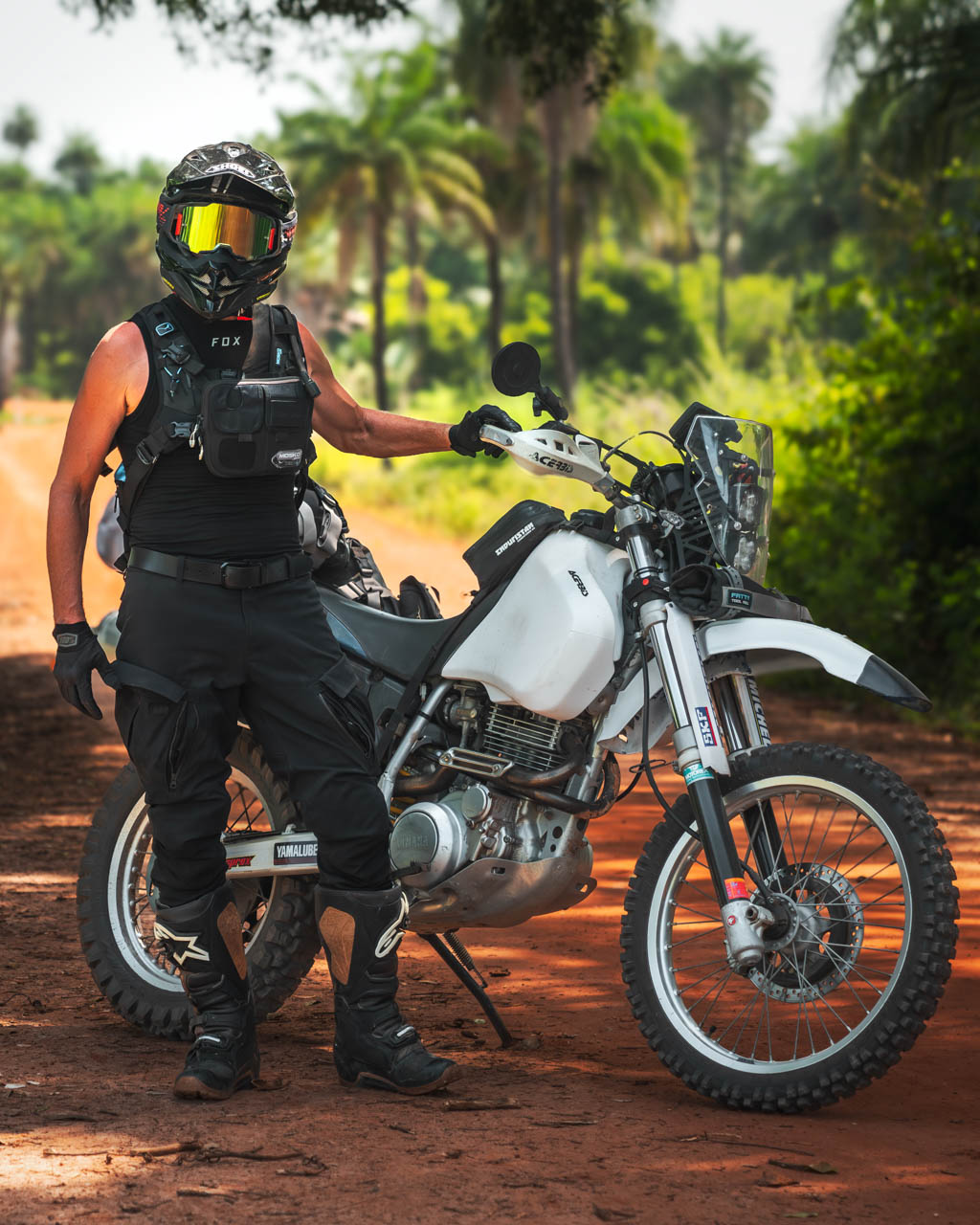
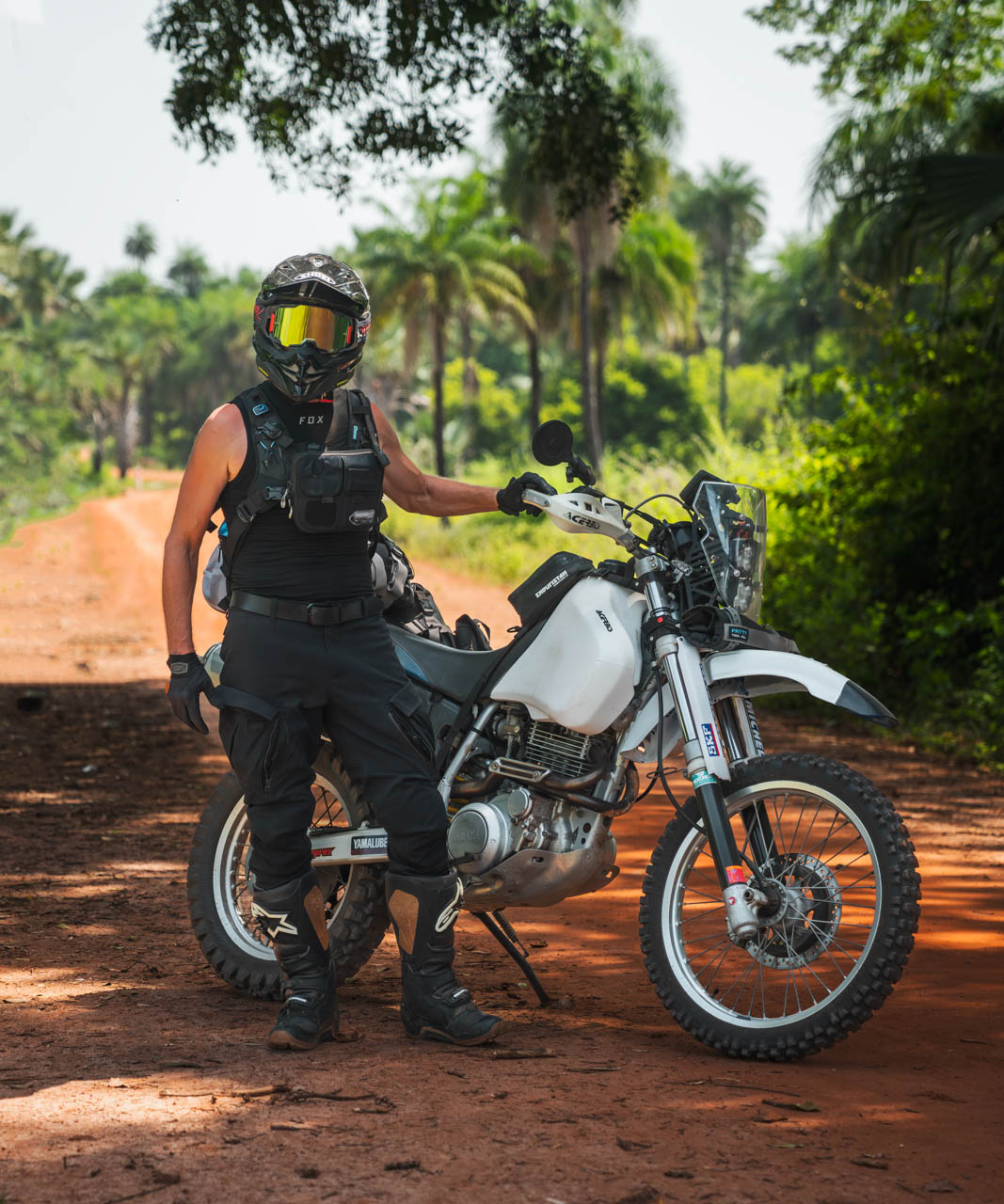
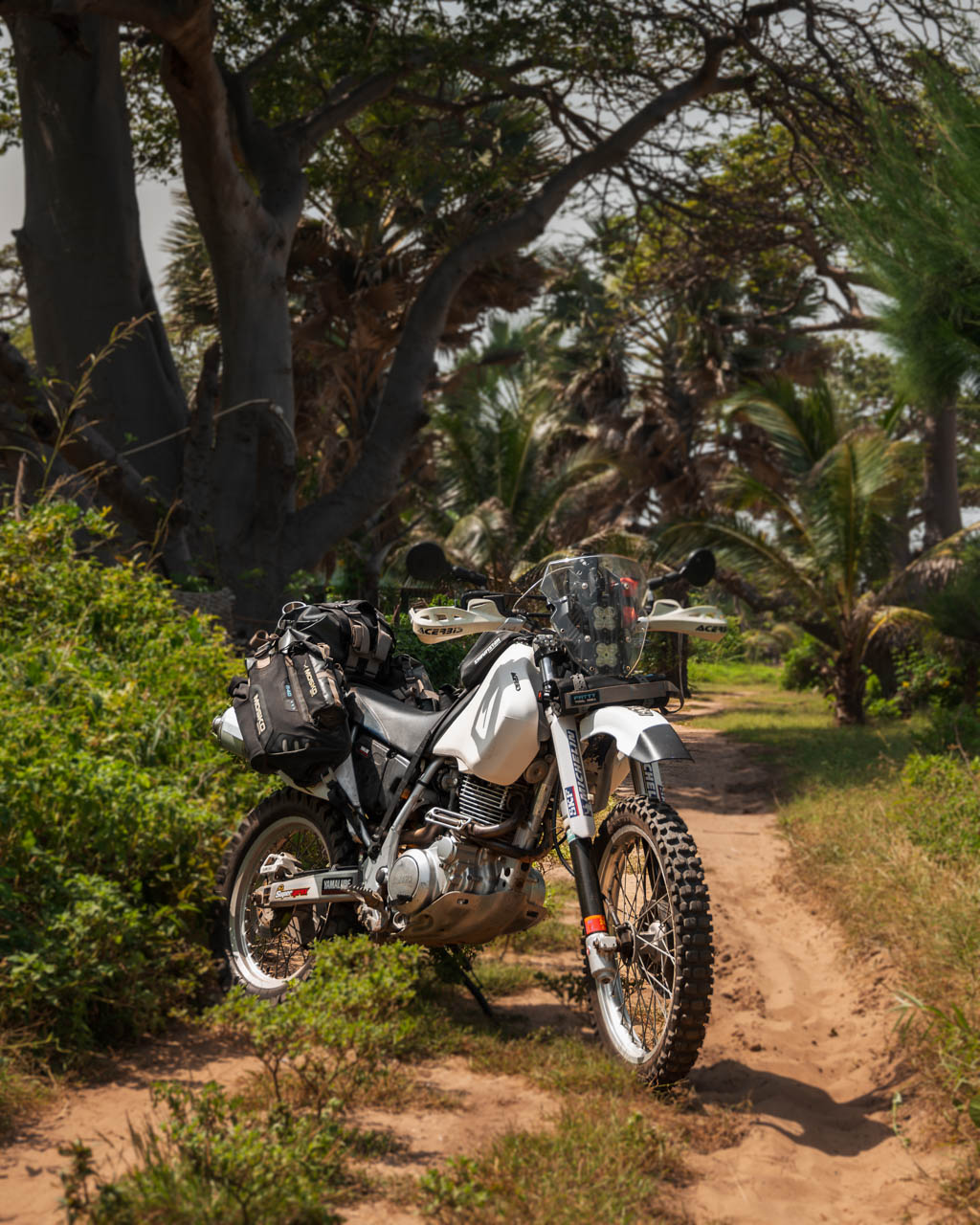
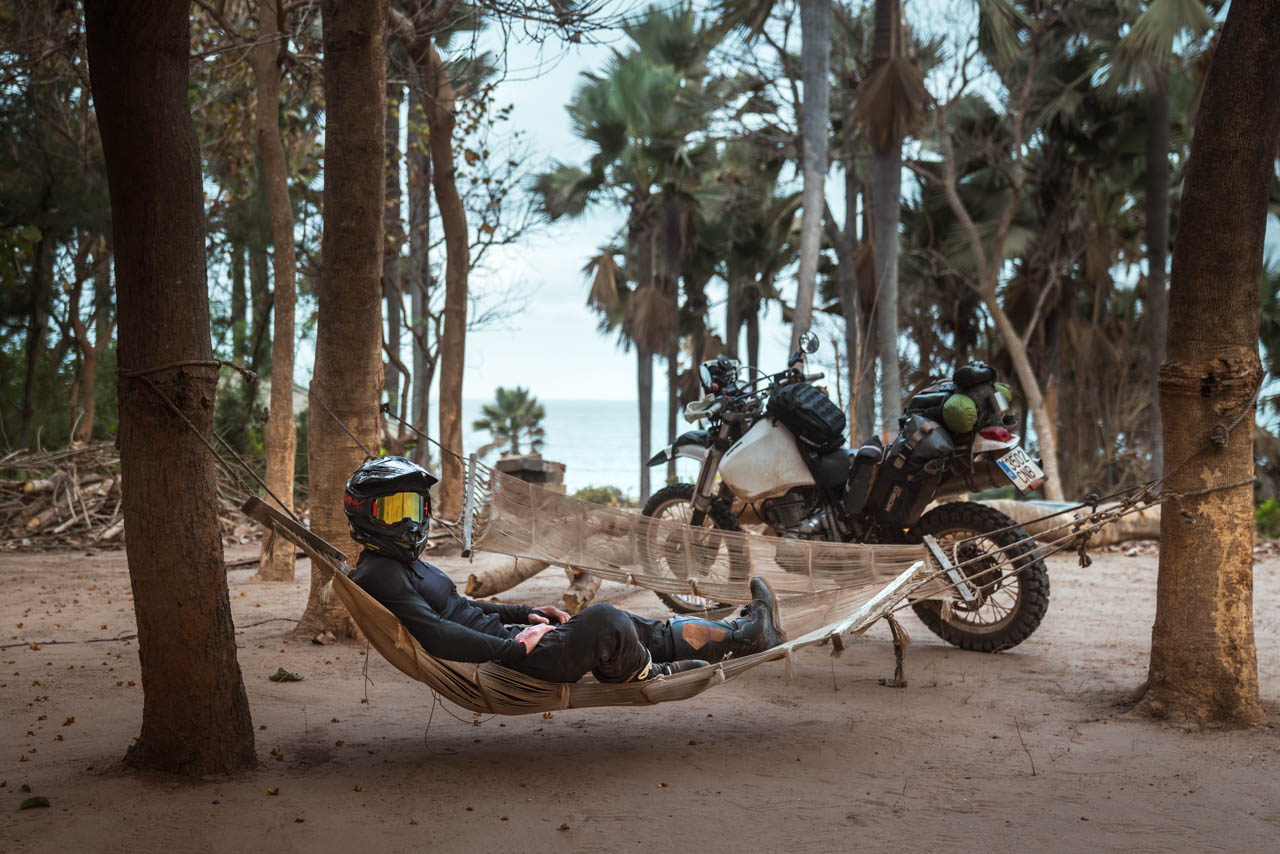
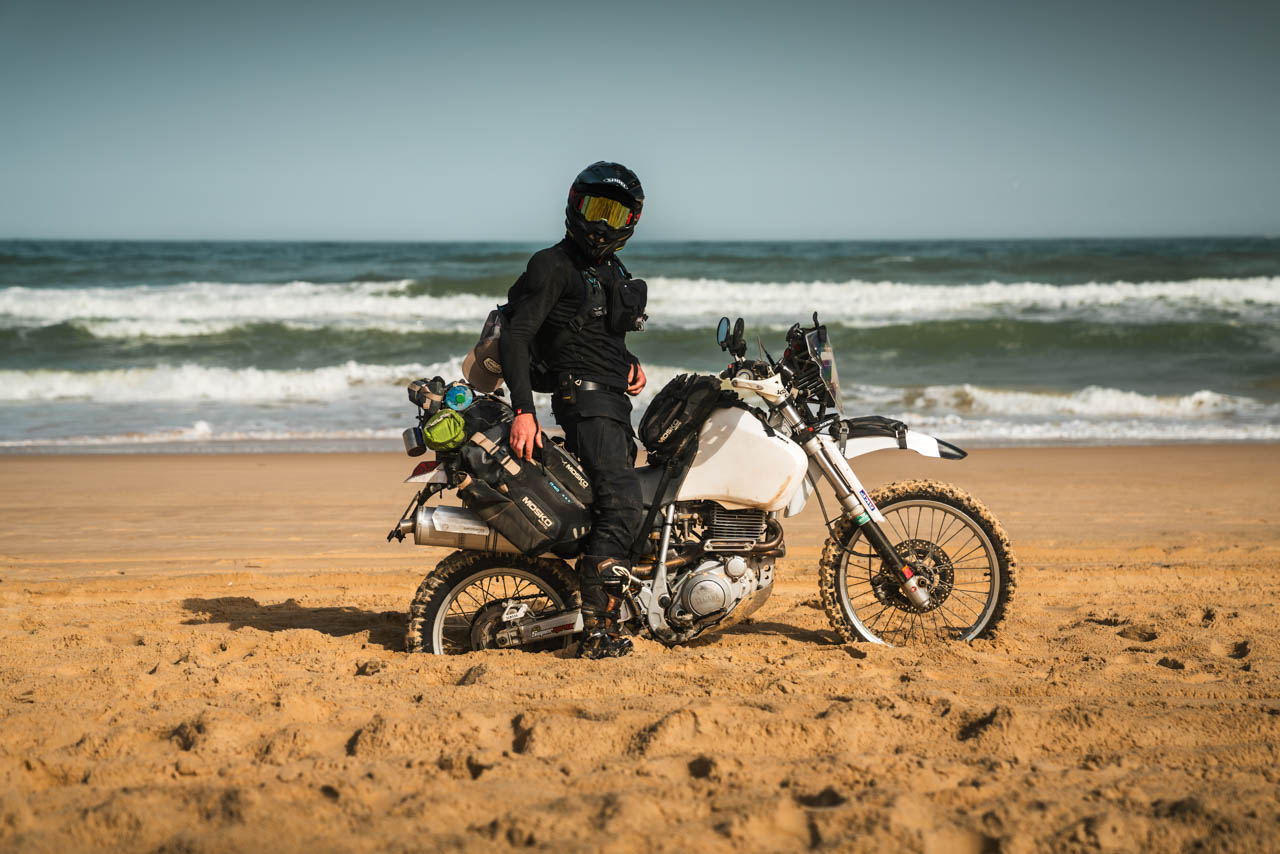
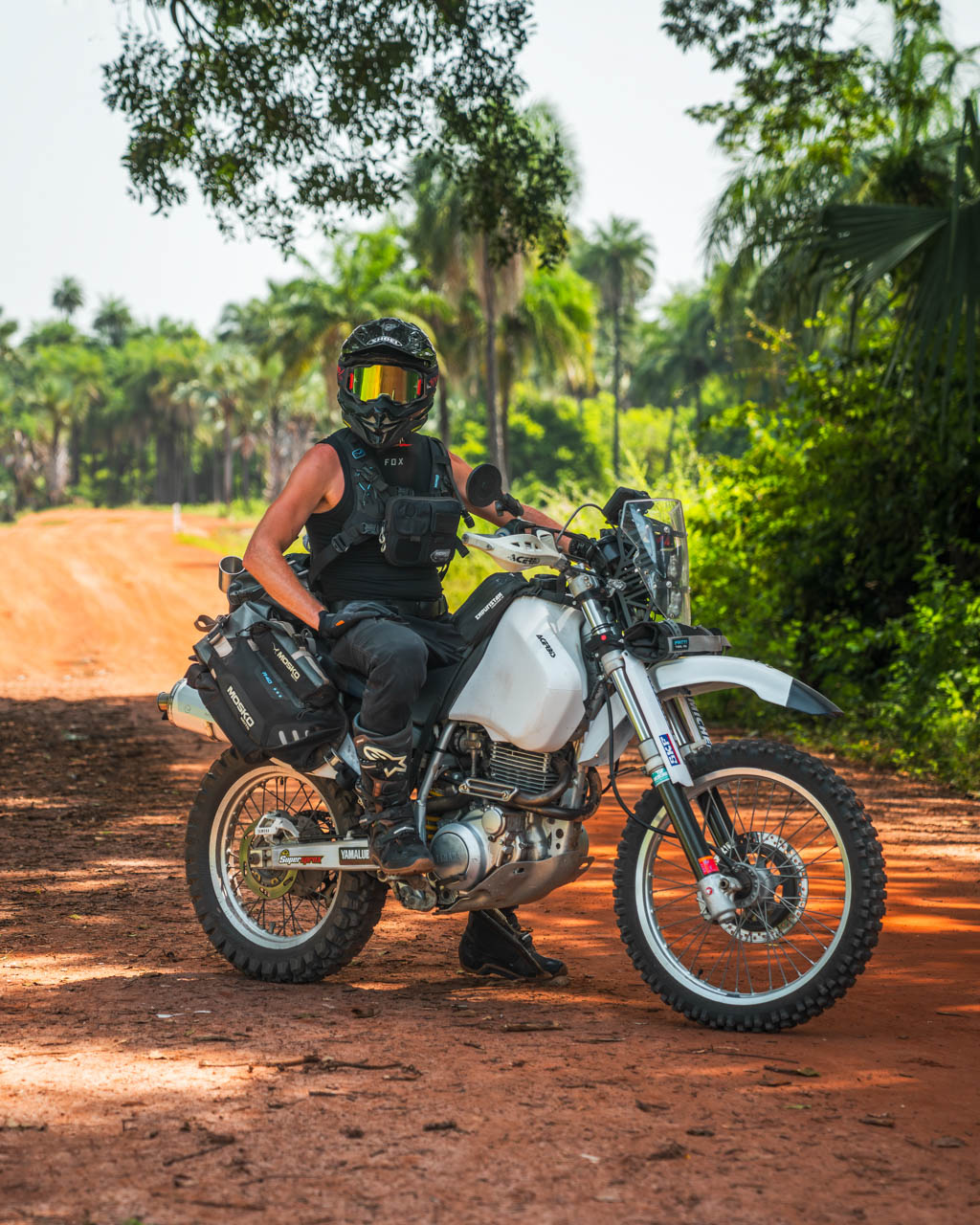
Egidijus Pudziuvelis rides that pace well. He was born in Lithuania and has lived in Spain since 2006. His photos hold dust in the air and hard light on empty tracks. His words arrive sin prisa (without hurry), measured and true. Many know him as Solitario___117. In Spain he often rides light enduro on remote tracks. For this crossing he chose a Yamaha set up for distance, with a larger fuel tank, new clutch, and oil ready for heat that climbs to 113°F (45°C).
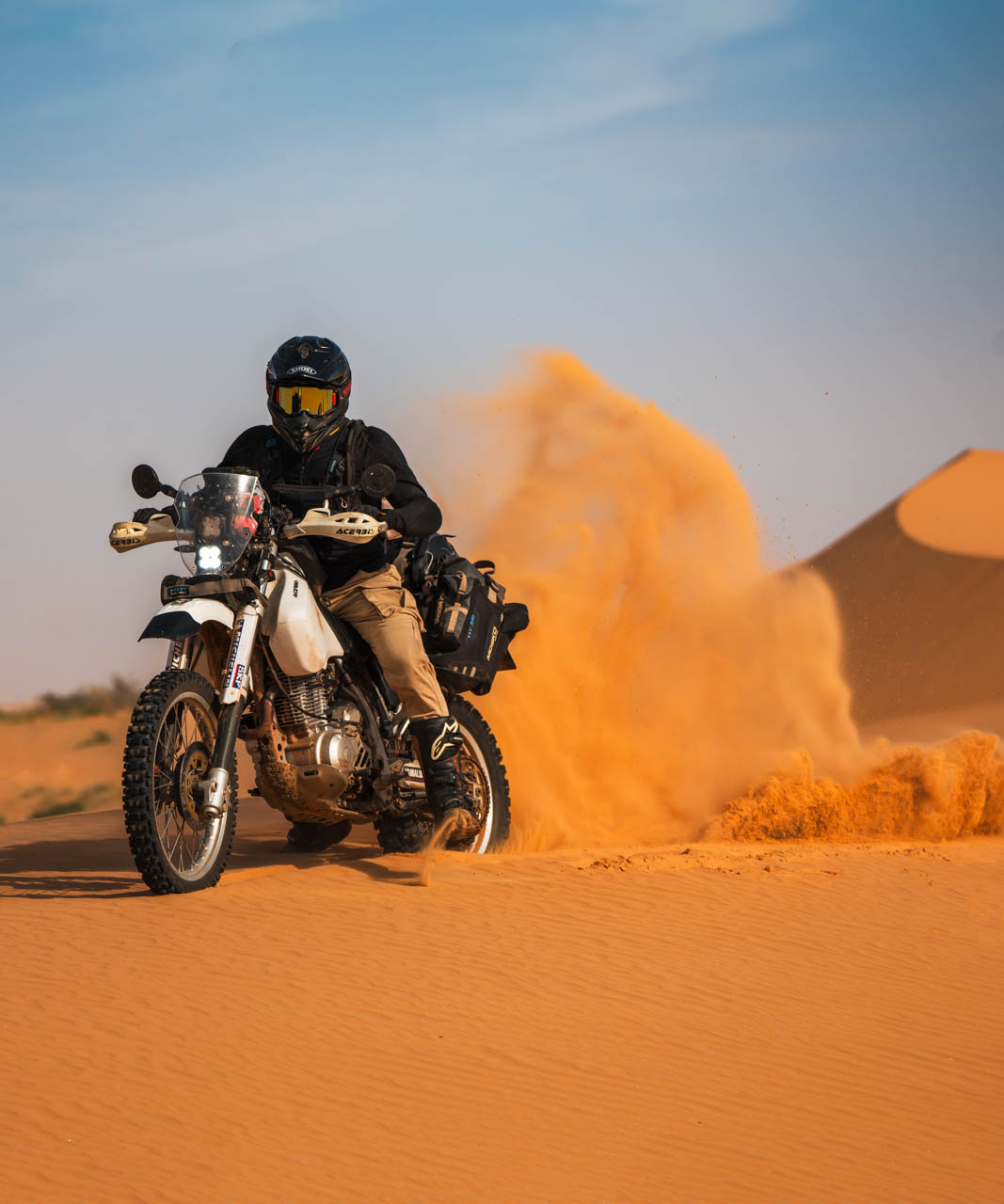
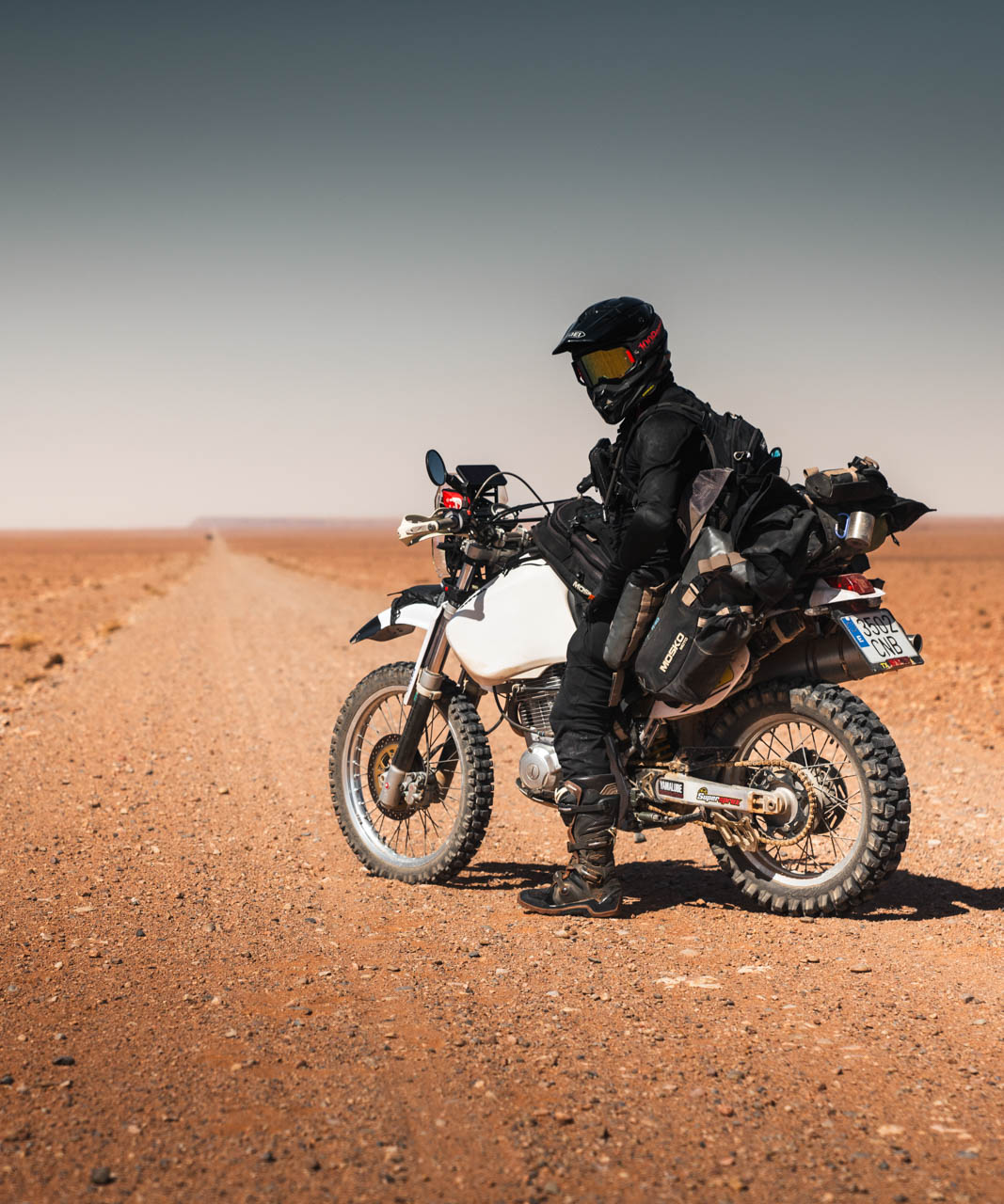
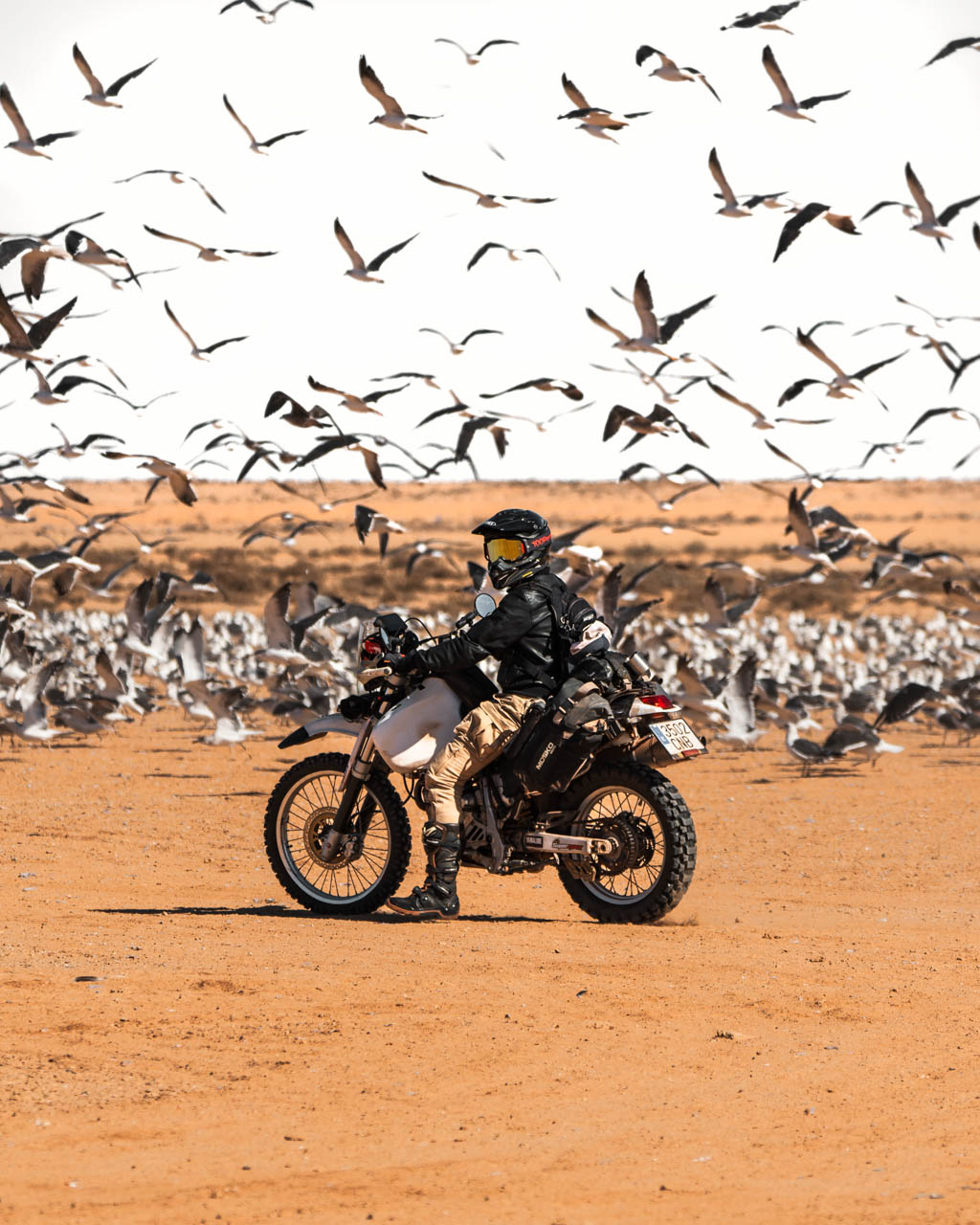
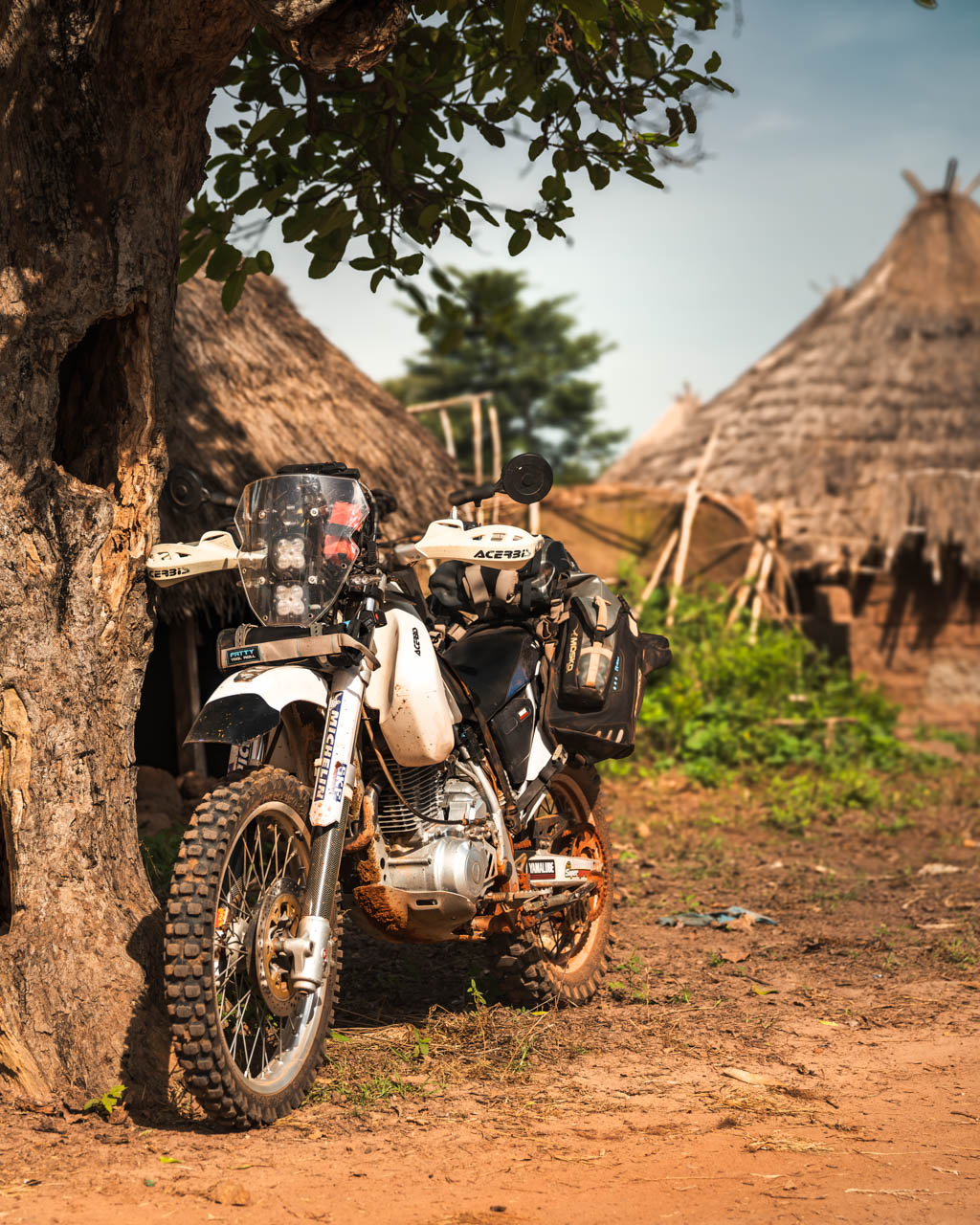
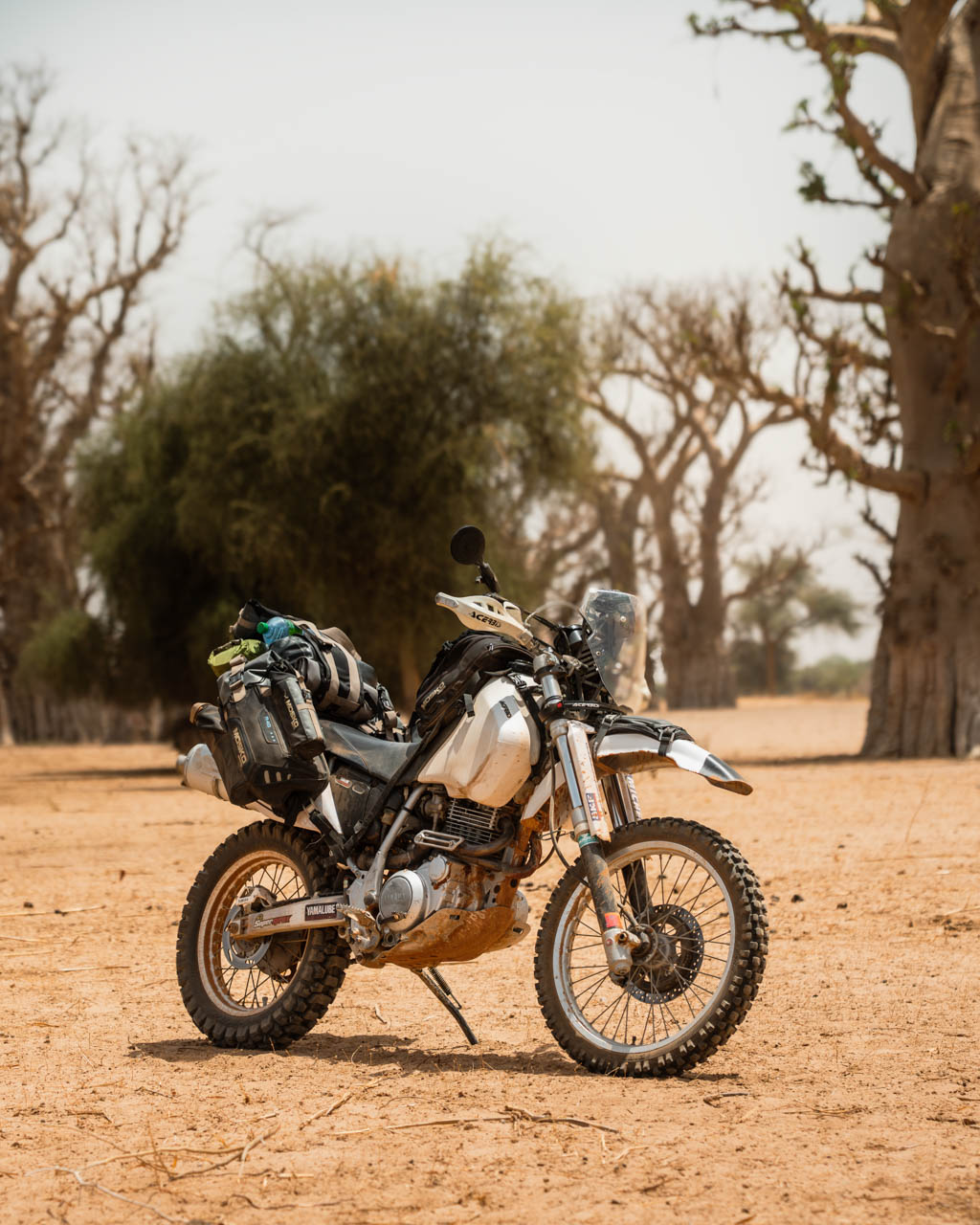
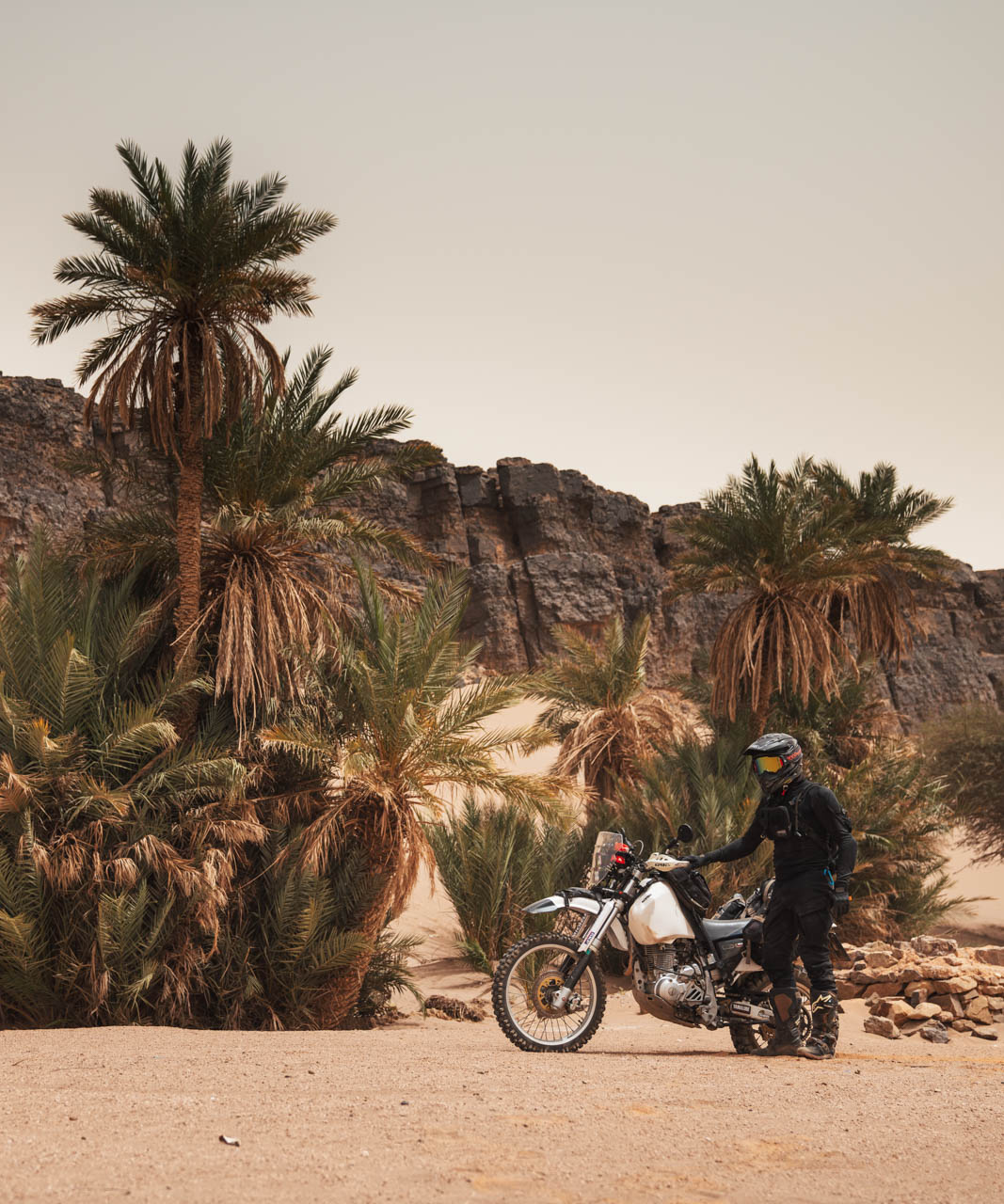
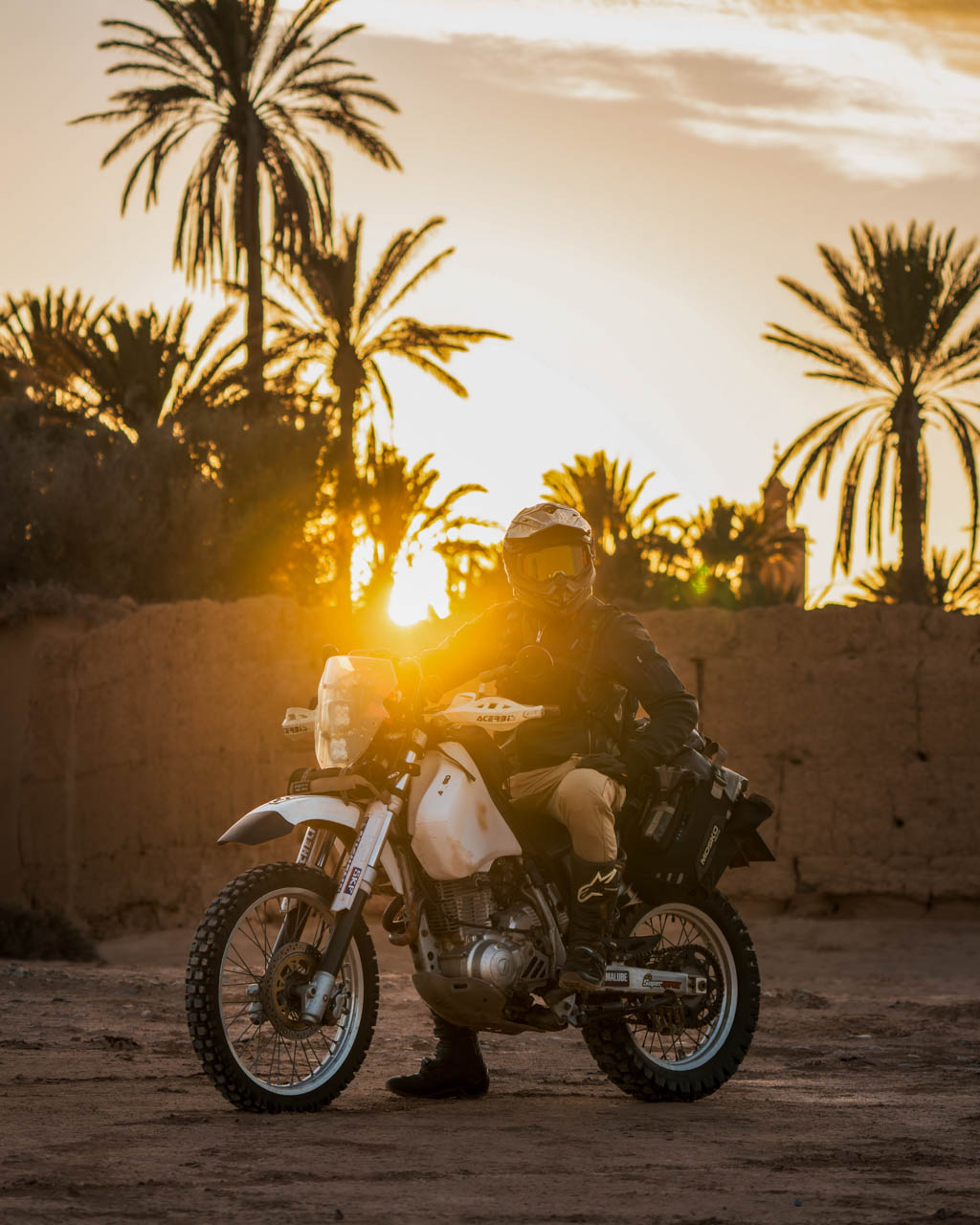
He had tried many of the new adventure bikes, but in his words, they all felt the same. What he wanted was something with character, a machine that carried a sense of romance and adventure. He found it in a Yamaha TTR 600 from the year 2000, with 45 horsepower. By the end of the trip he called it his burro (donkey): not fast, not powerful, but stubbornly reliable, always reaching its destination. Luggage stayed lean with Mosko Moto Reckless 40 liters and a GIANT LOOP fuel bag of 2 gallons. He trusted Pando Moto gear for the saddle and for a quiet night in town. November in Morocco brings cool mornings and cold nights. Mauritania raises the dial by midday, then cools to about 68°F (20°C). The rule stays simple. Travel light, keep the bike under 440 pounds (200 kilograms), carry water, and listen to the land.
Where the Road Smells of Salt and Dust
I began the trip on the highway, 435 miles (700 kilometers) of asphalt that carried me south to Almería. It felt like the longest preface to a book I had been waiting years to open. The ferry took me across the sea during the night, slow and heavy, until the lights of Spain disappeared behind me. By the second morning I rolled down the ramp into Nador, under a gray November sky. First stop was practical, a Maroc Telecom SIM card for coverage across the country, then I let the road lead me out of the city. The air carried a strange mix of salt from the port and dust from the countryside, a reminder that I had left Europe behind. By the end of the day I had covered another 112 miles (180 kilometers), reaching the quiet campground at Benyakoub. I set up the tent under a pale moon that refused to let the night go dark. The cold crept in hard, biting through the layers, and I slept lightly, half listening to the silence.
The third day took me into the Rekkam Plateau. Two hundred miles (320 kilometers) of off-road lay ahead, a land that rises to 6,560 feet (2,000 meters) and reminds you how quickly conditions can turn. The trail stretched pale and broken, cracks in the earth running like scars across the surface. Dry, it was steady enough, the kind of track that lets you keep a rhythm. Wet, it would have been impossible, and I kept that thought close as I rode. The higher I climbed, the sharper the air cut through the jacket. The engine carried its own sound into the emptiness, but around me there was nothing else, no people, no animals, just the plain and its silence. Fuel here lasts no more than 155 miles (250 kilometers), so every twist of the throttle counted. By late afternoon the sun had turned thin and cold, and the horizon felt further away than the map suggested.
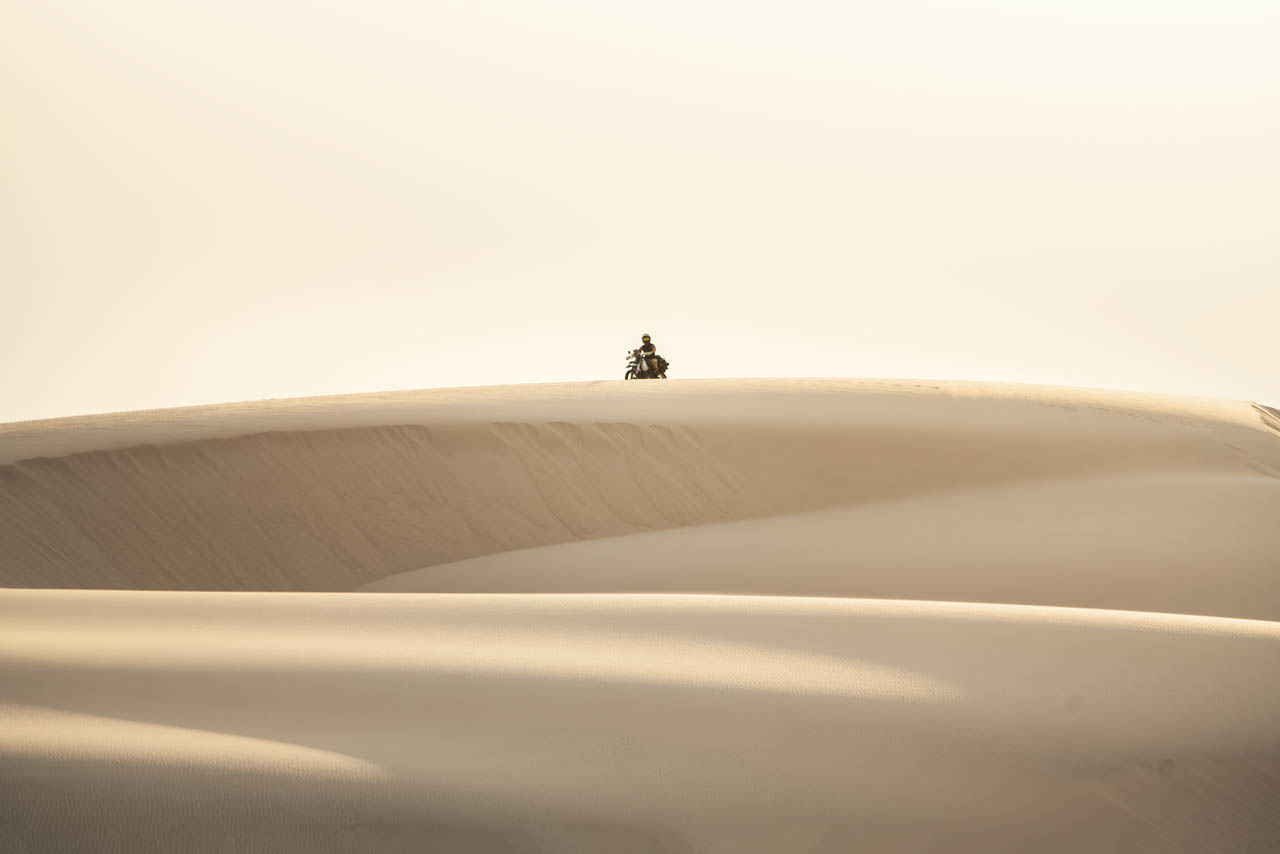
By the fourth morning I reached Gara Medouar, a fortress of stone rising from the desert. The locals call it the Portuguese Prison, but to me it has always felt like a gate. I stop here every time. I cut the engine, stand beside the bike, and let the silence press in. This is where the Sahara begins, where I ask myself if I am ready for what lies ahead. The desert doesn’t promise anything. You ride in, and it decides what to give you.
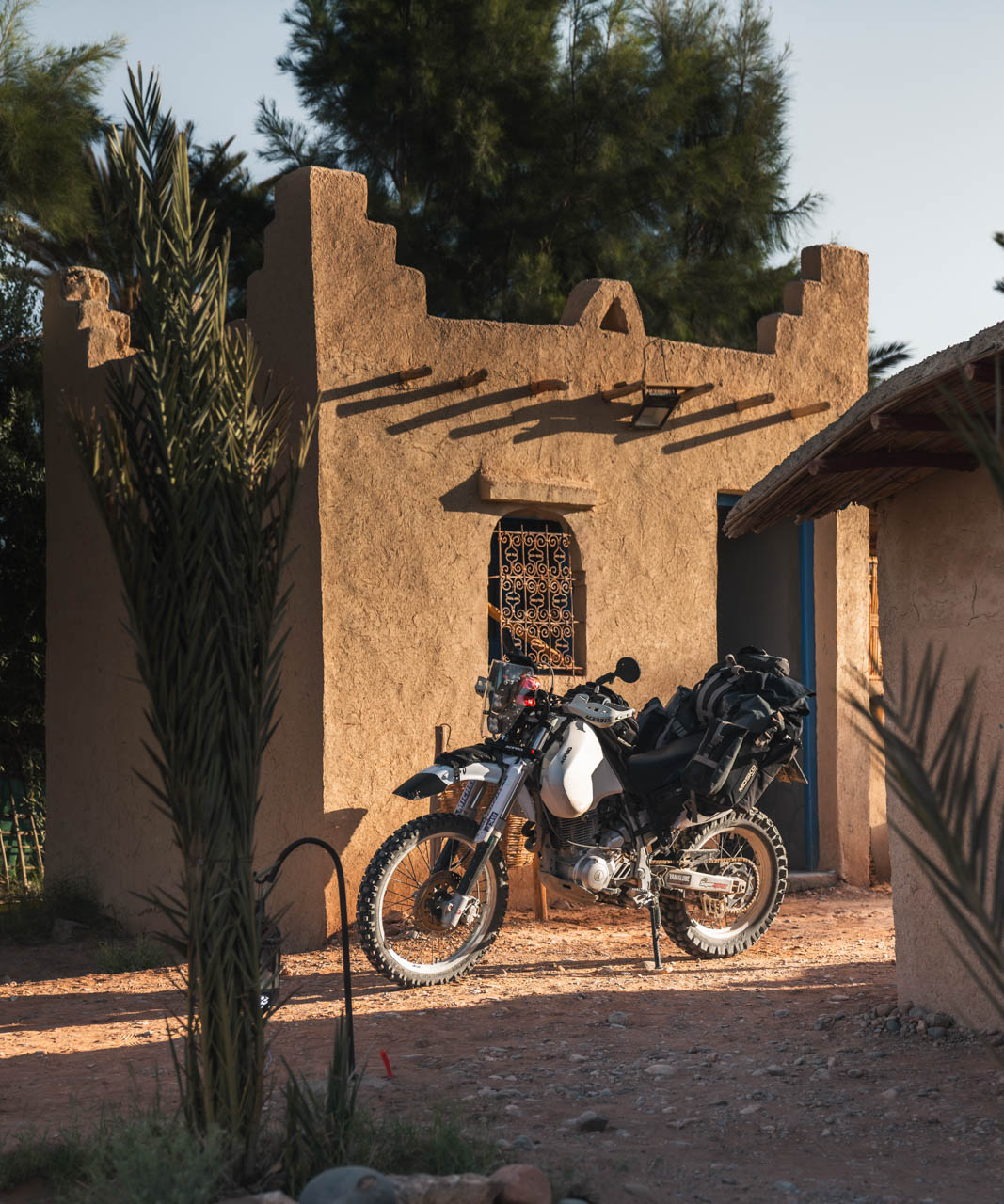
That afternoon the road turned to stone and sand, dry riverbeds cutting across the track in sudden lines. I kept the pace slow, knowing the first goal was simple: avoid mistakes. No damage, no injuries, nothing that could end the journey too soon. By nightfall the wind had risen, pulling hard at the ground and making the idea of camping impossible. I turned off into the Kasbah Marabout, a low building of thick walls that held steady against the storm.
Dinner was plain, the bed narrow, but both felt like shelter.
The Stones, the Sand,and the Long Ride South
Leaving Gara Medouar, the land stretched wide with tracks that pulled south toward Tata. I had two choices: a rough, technical line through Mhmida that would take two days, or a mix of dirt and tarmac that could be done in one. I chose the second. The goal was clear, save the bike, save the body, and save the time for what was coming. Still, the day stretched into 273 miles (440 kilometers), half of it off-road, half of it steady tarmac. By the time I rolled into Tata, the sun had long gone. The Relais des Sables offered a small pool and a clean bed. I took both. I knew I wouldn’t see comfort like that again for the rest of the trip.
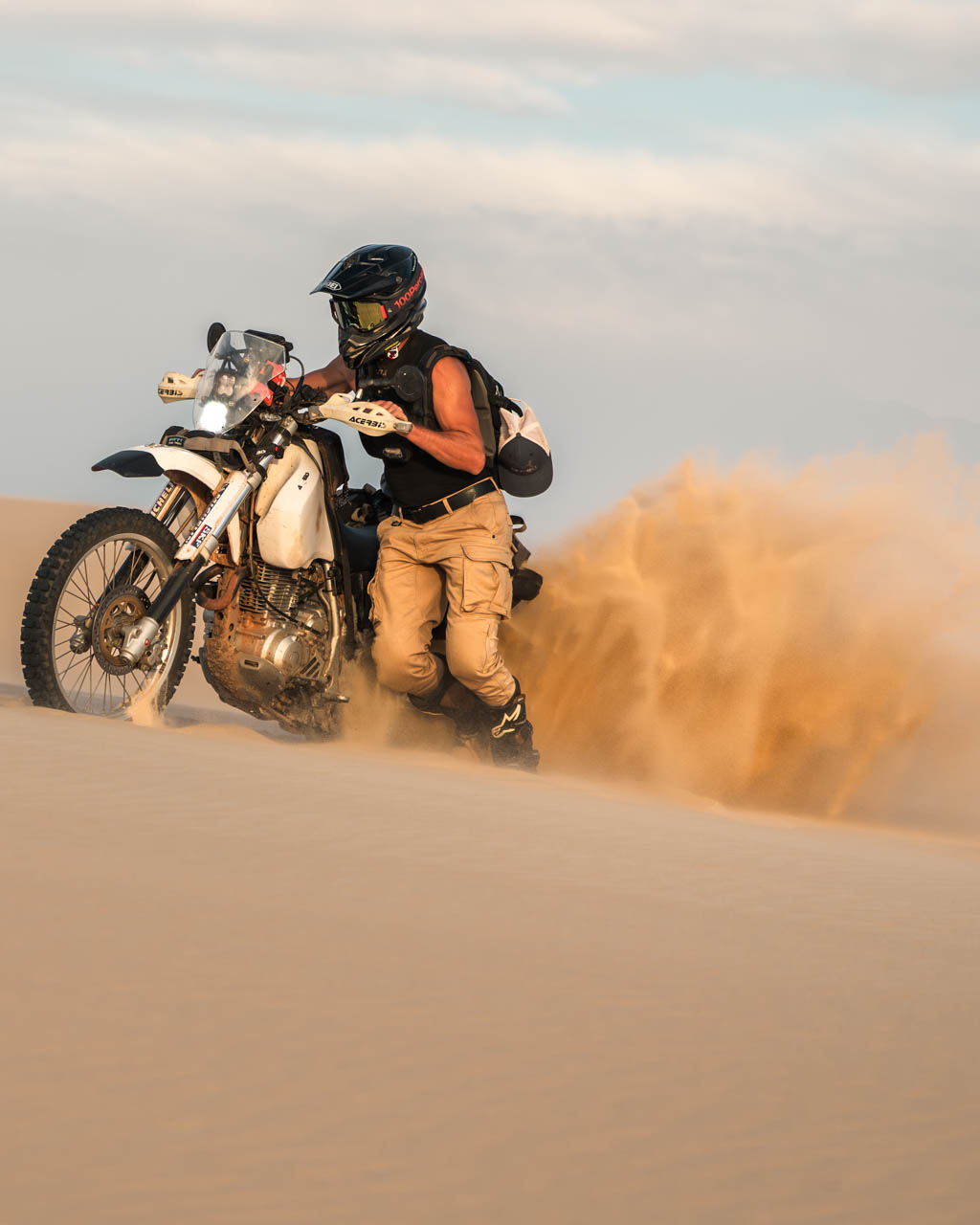
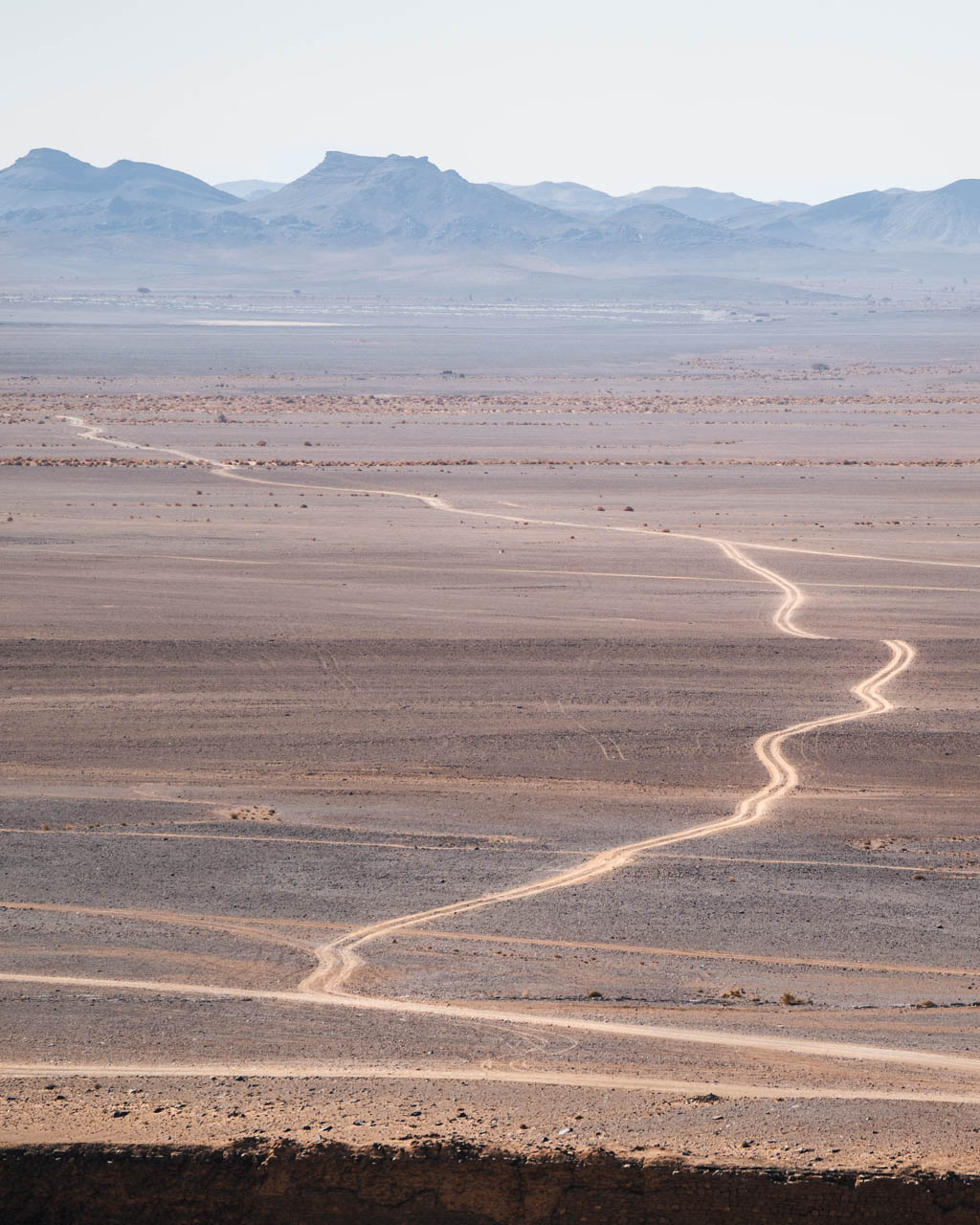
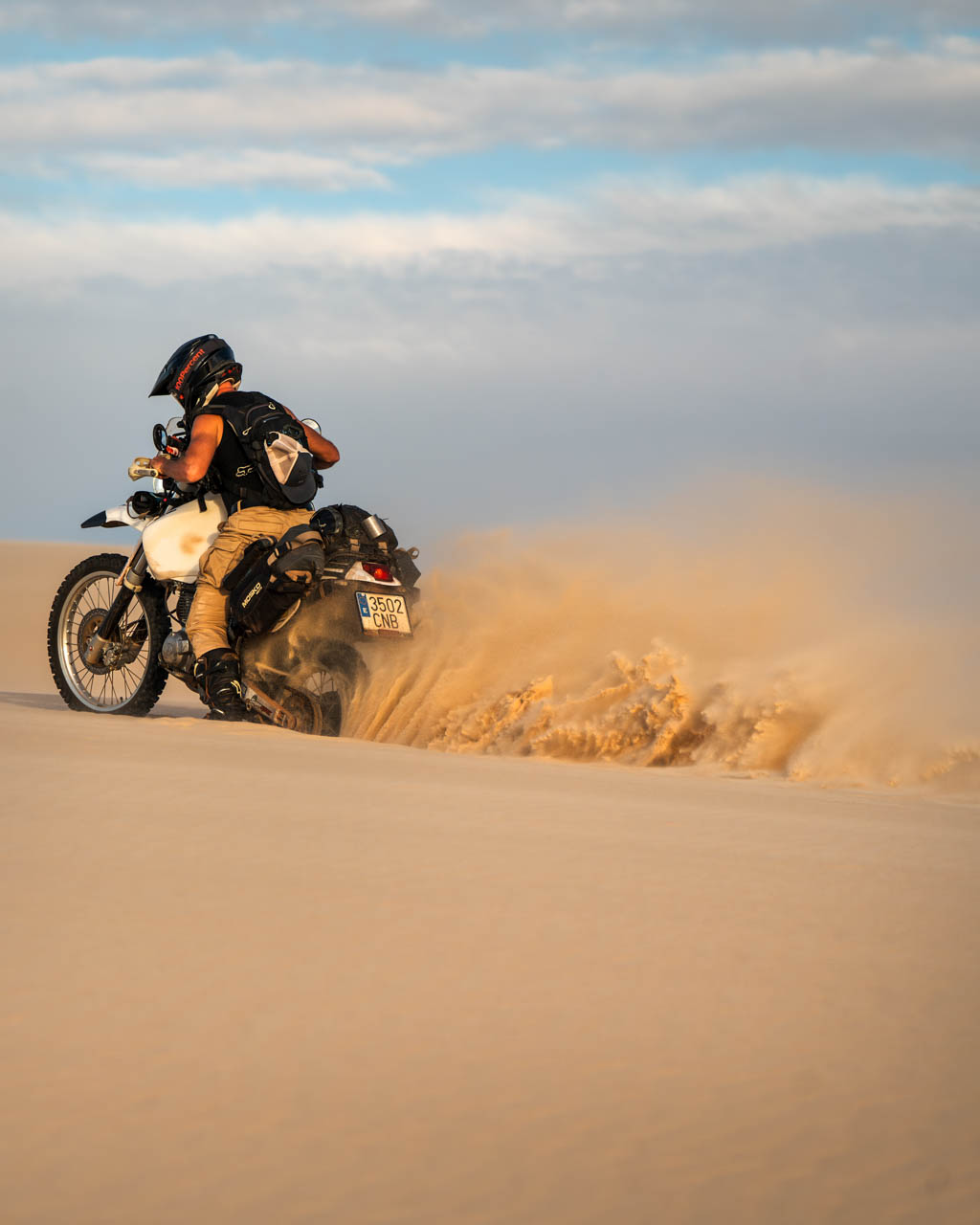
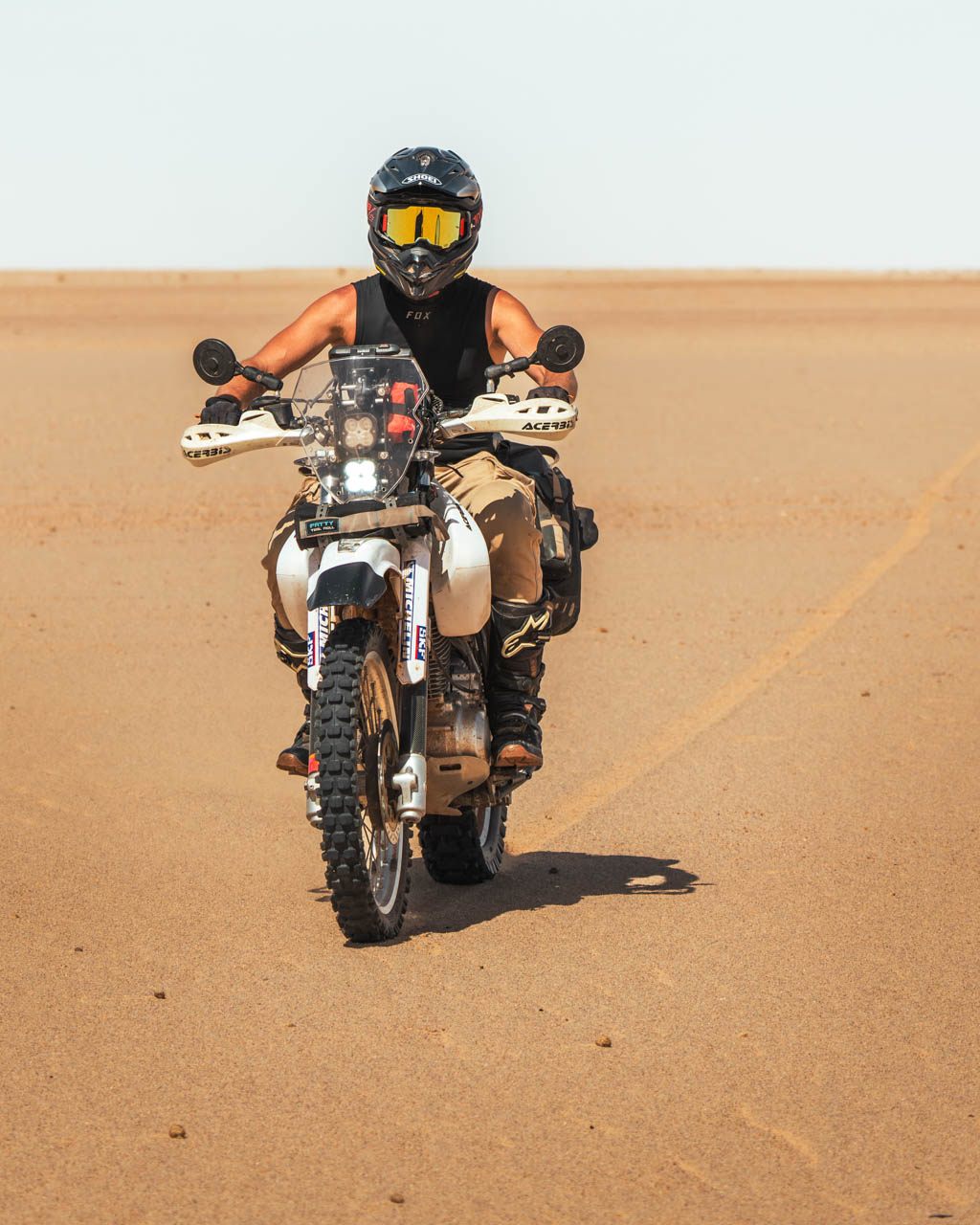
The next morning I set off for Esmara, a day that would test every part of me. Four hundred miles (620 kilometers) in total, with 250 miles (400 kilometers) between gas stations. For the first time, I pulled the GIANT LOOP fuel bag from the rack, pouring its two gallons into the tank in the middle of nowhere. The terrain changed as the miles passed. Stones gave way to sand, but not the fast, flowing kind that lets you skim at speed. This sand was heavy, sticky, the kind that drags your wheels and keeps you crawling. At best I could hold 30 mph (50 km/h). The Yamaha carried on steady, its tires biting just enough to keep us upright.
By the time I reached Esmara, the light had gone. The town rose like a line of dull lamps against the desert. A police post stopped me at the edge — the first of many on this ride. The officers asked the usual questions, and I handed over one of the photocopies of my passport. Out here, you never travel with just the original; a dozen copies save you time, trouble, and unnecessary risk. They waved me through without delay. The hotel cost about €10, the shower was cold, and the sheets rough. None of it mattered. I had made it, and for that night, it was enough.
A Desert Measured in Acacias
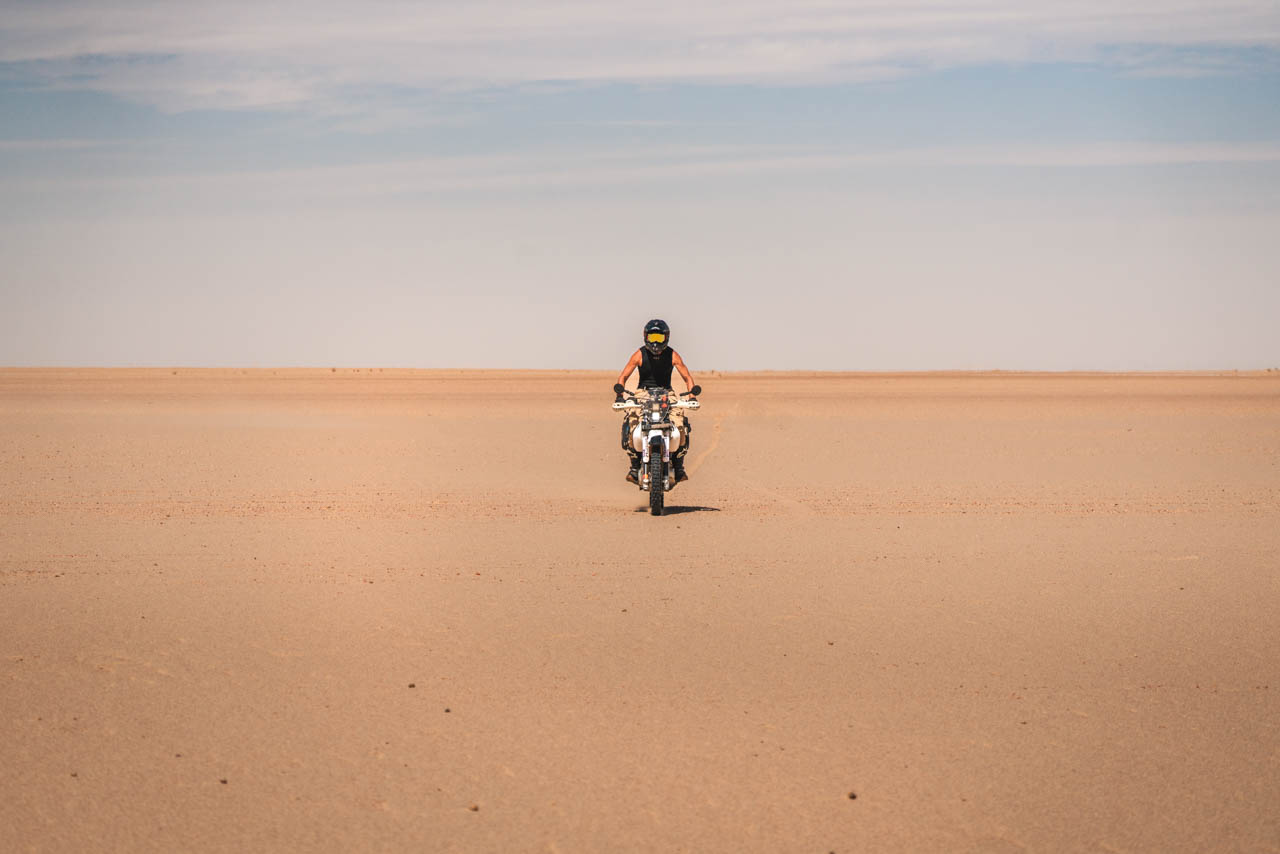
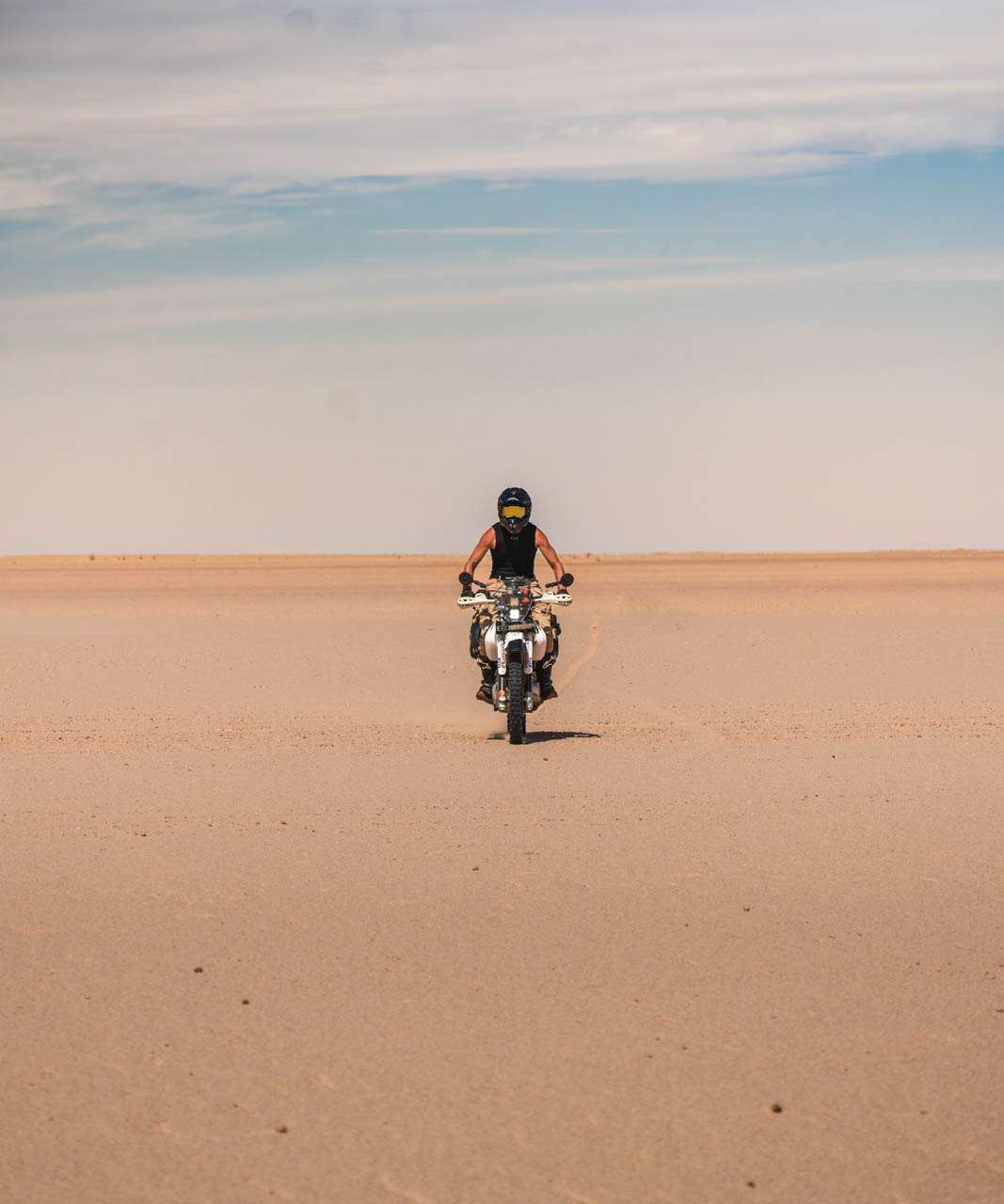
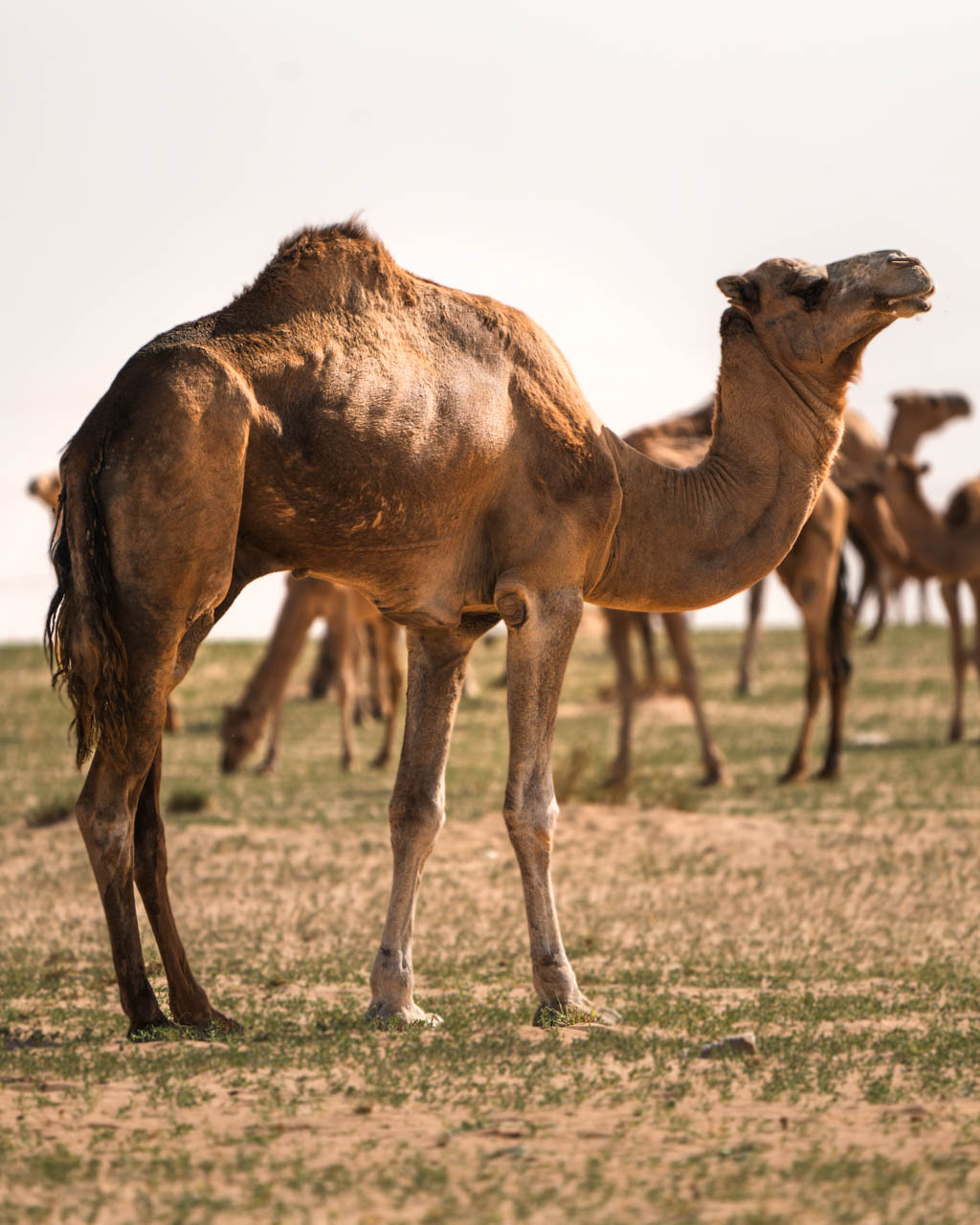
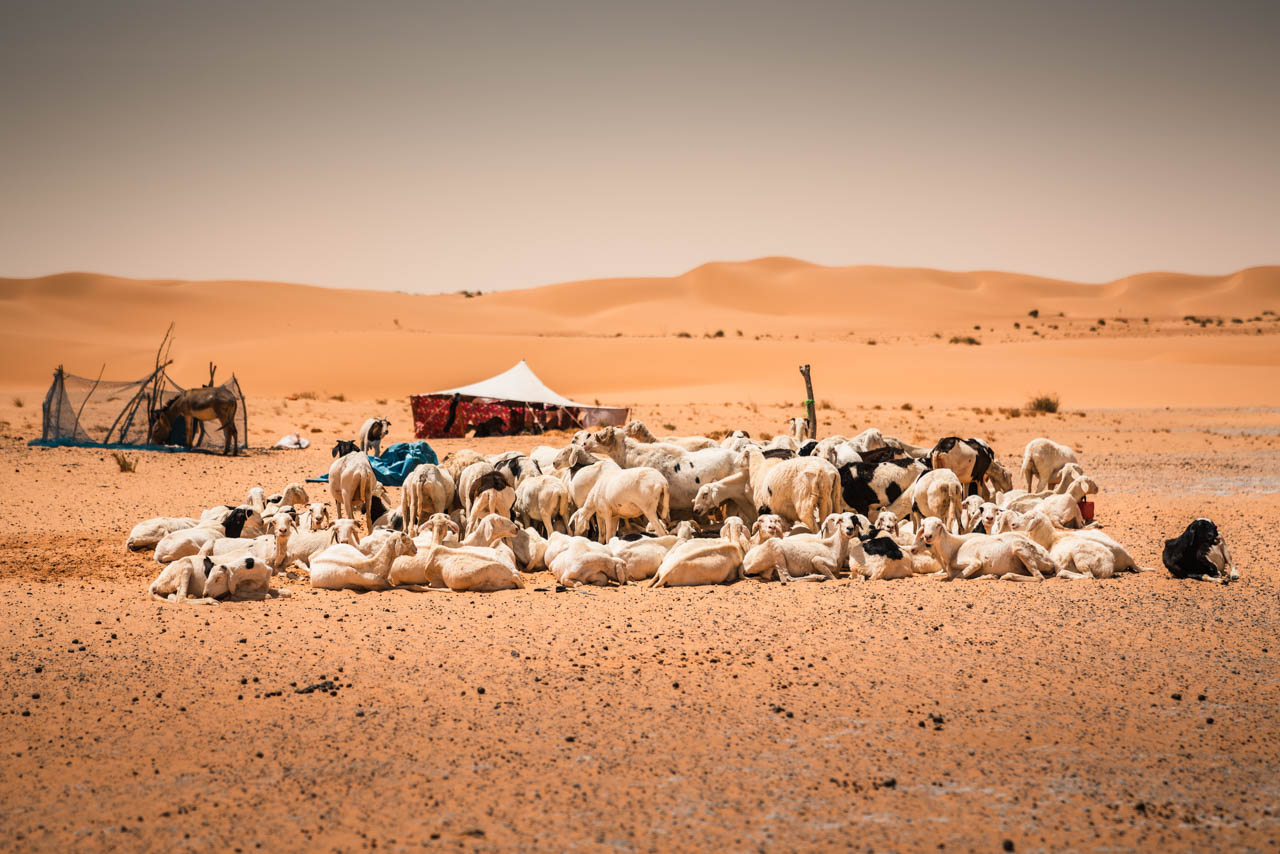
From Esmara I pushed south toward Bir Anzerane, 250 miles (400 kilometers) of emptiness. All day I counted five acacias, nothing else alive on the horizon. There was no movement, no sound. Just me and the desert. The first half ran flat and fast, the kind of track where the Yamaha could stretch without strain. The second half turned into a slow game of numbers, coaxing every drop of fuel to carry me to the end. Out here, you don’t measure distance in kilometers or miles. You measure it in the sound of the engine, in the weight of the sun, in how many acacias you’ve seen since morning.
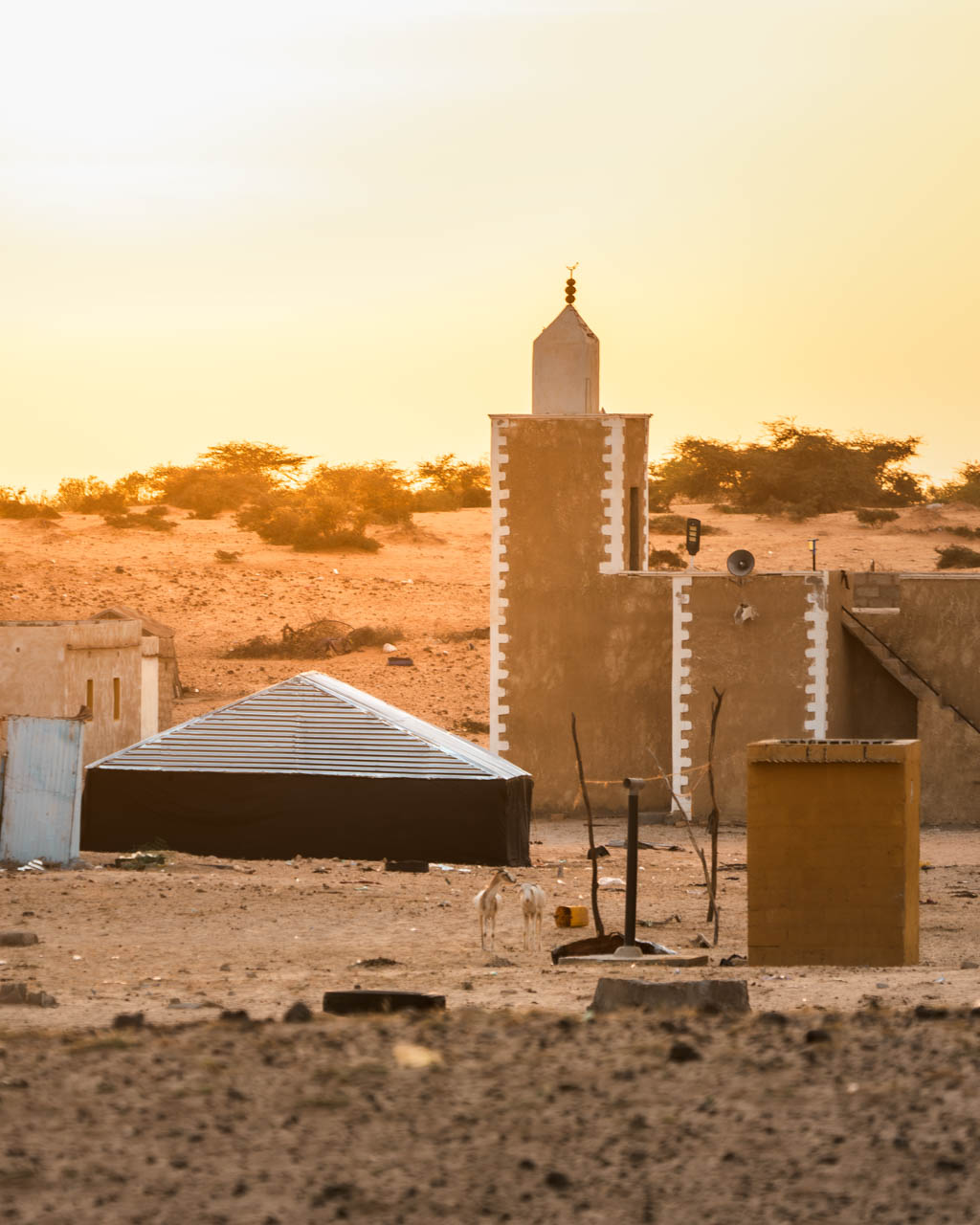
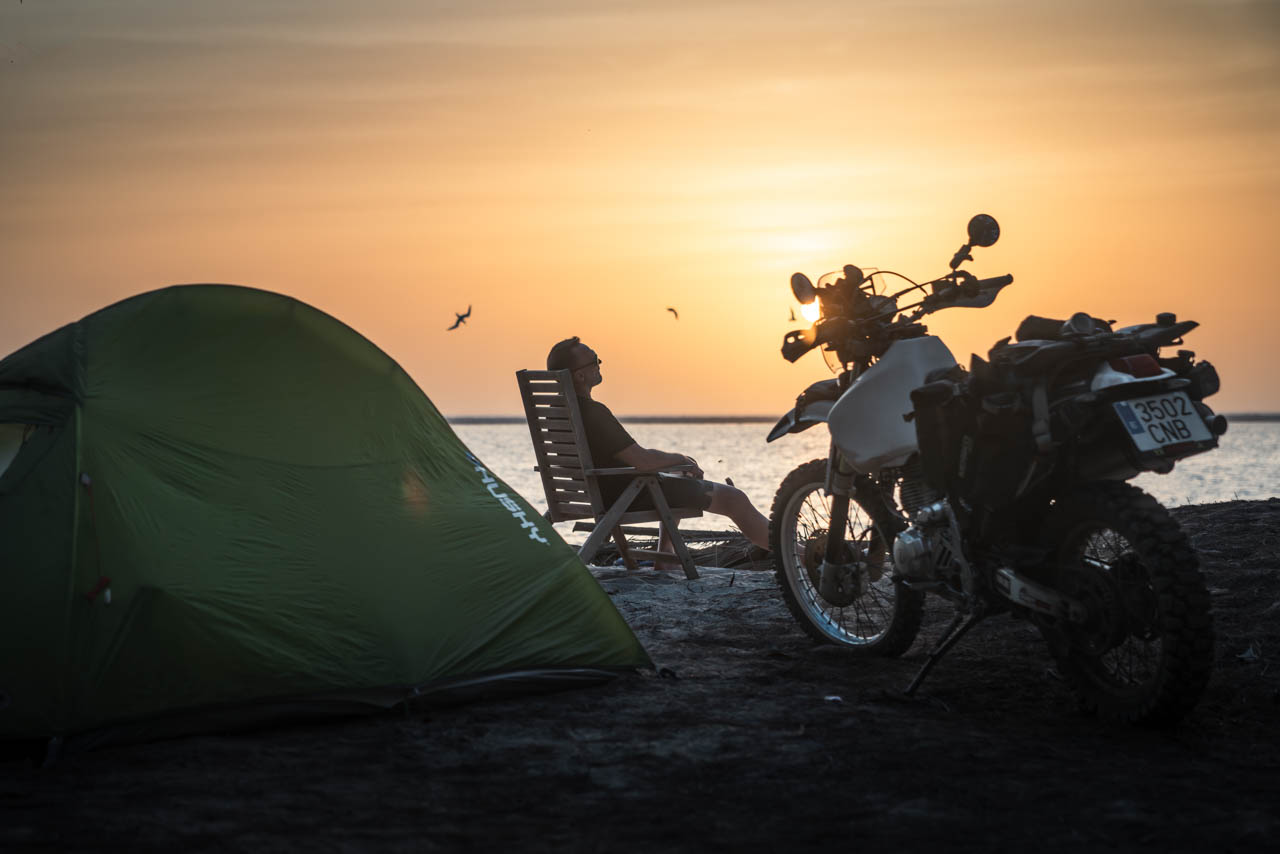
Bir Anzerane offered no hotel, no comfort. Just a military post at the edge of the desert. Two soldiers waved me in as the light fell, rifles leaning against the wall, and handed me a cup of tea and a plate of dates. We shared no common language, only gestures, but that was enough. I pitched my tent beside the station, the silence broken only by the crack of the wind against the sand. Out of respect, I took no photos. Some places are not for cameras.
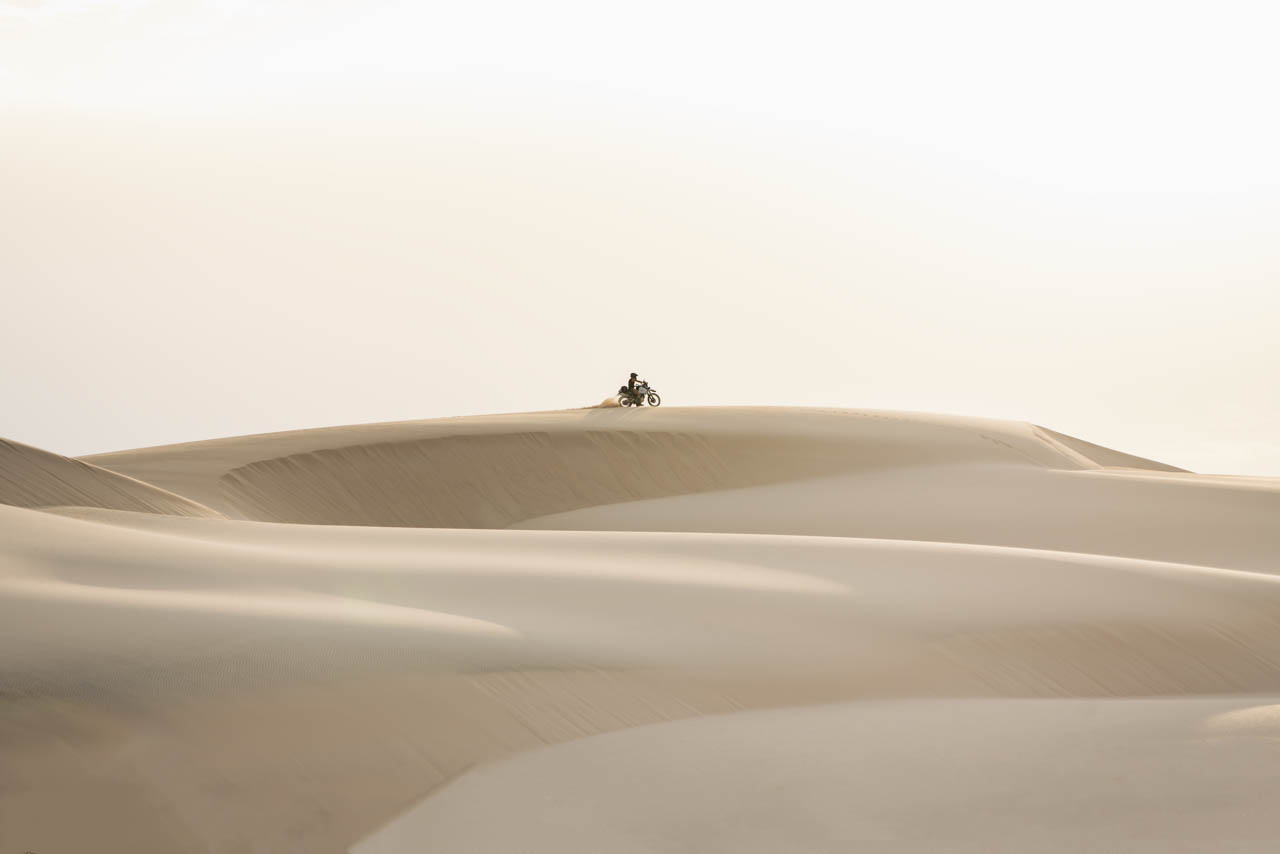
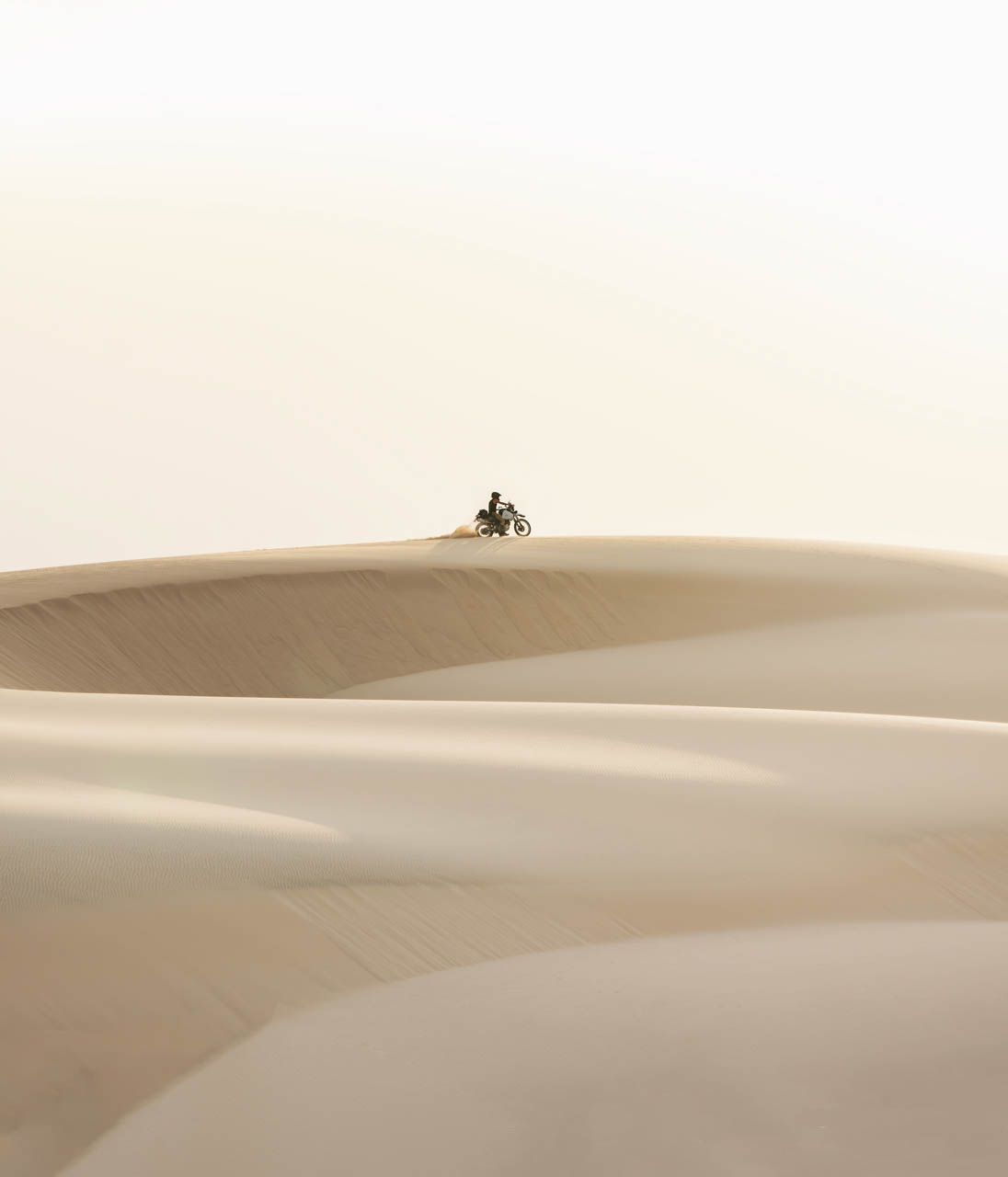
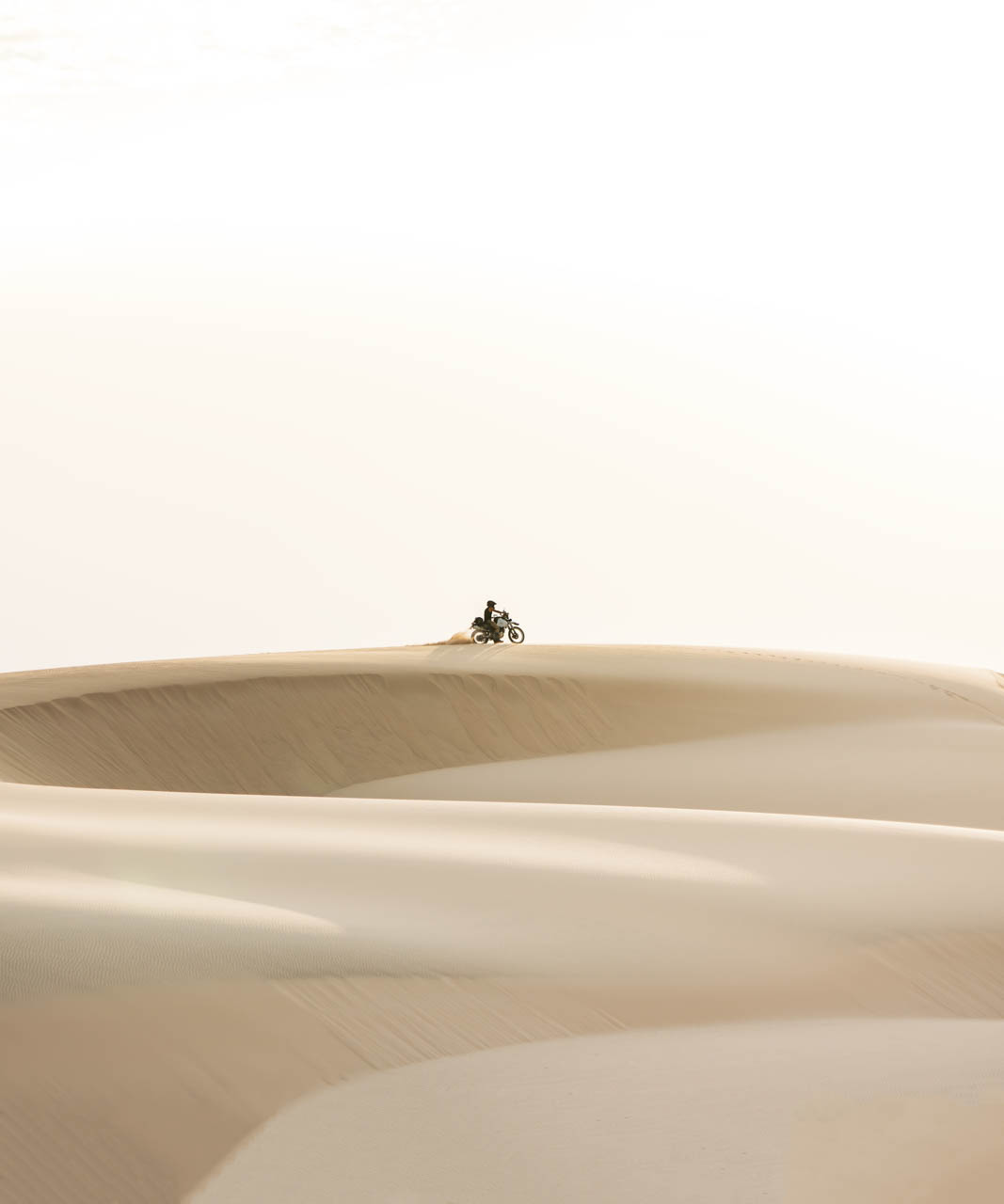
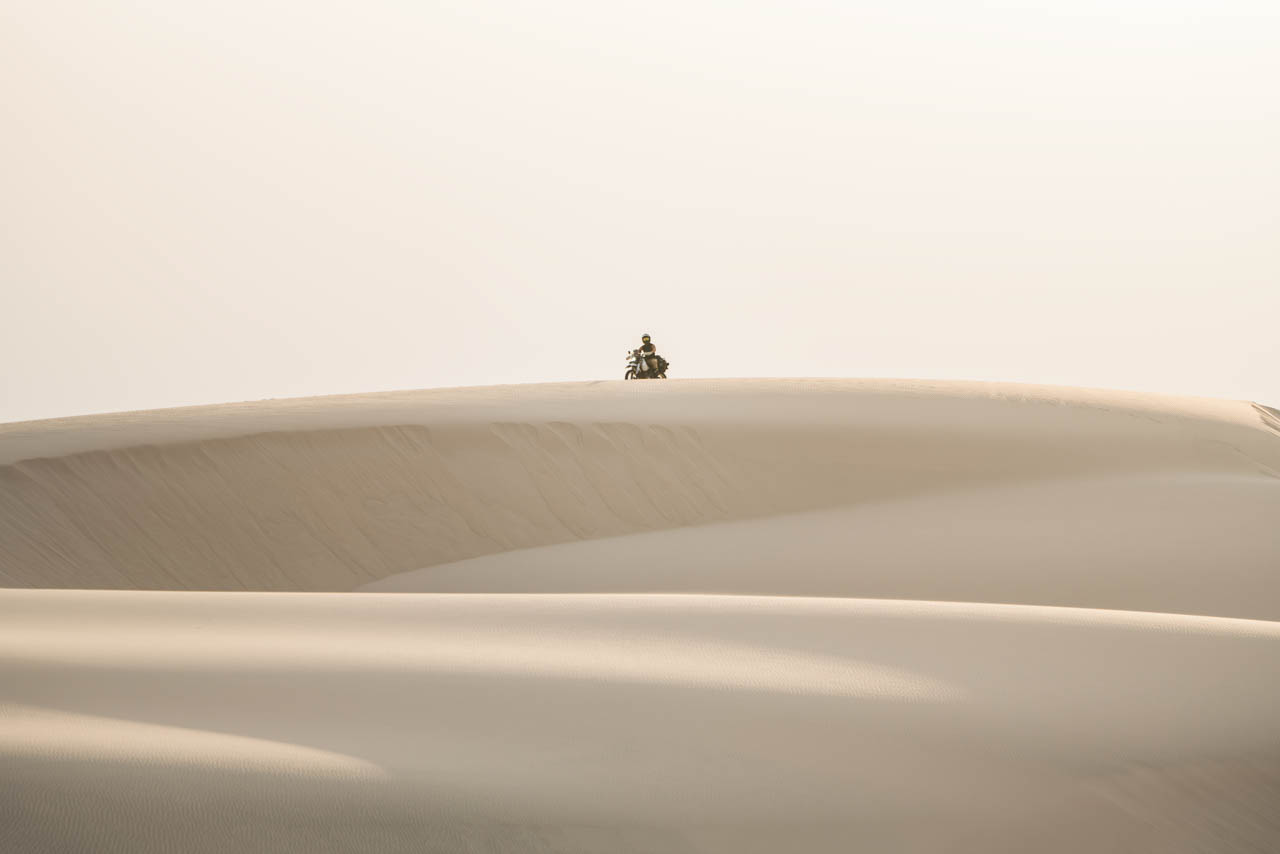
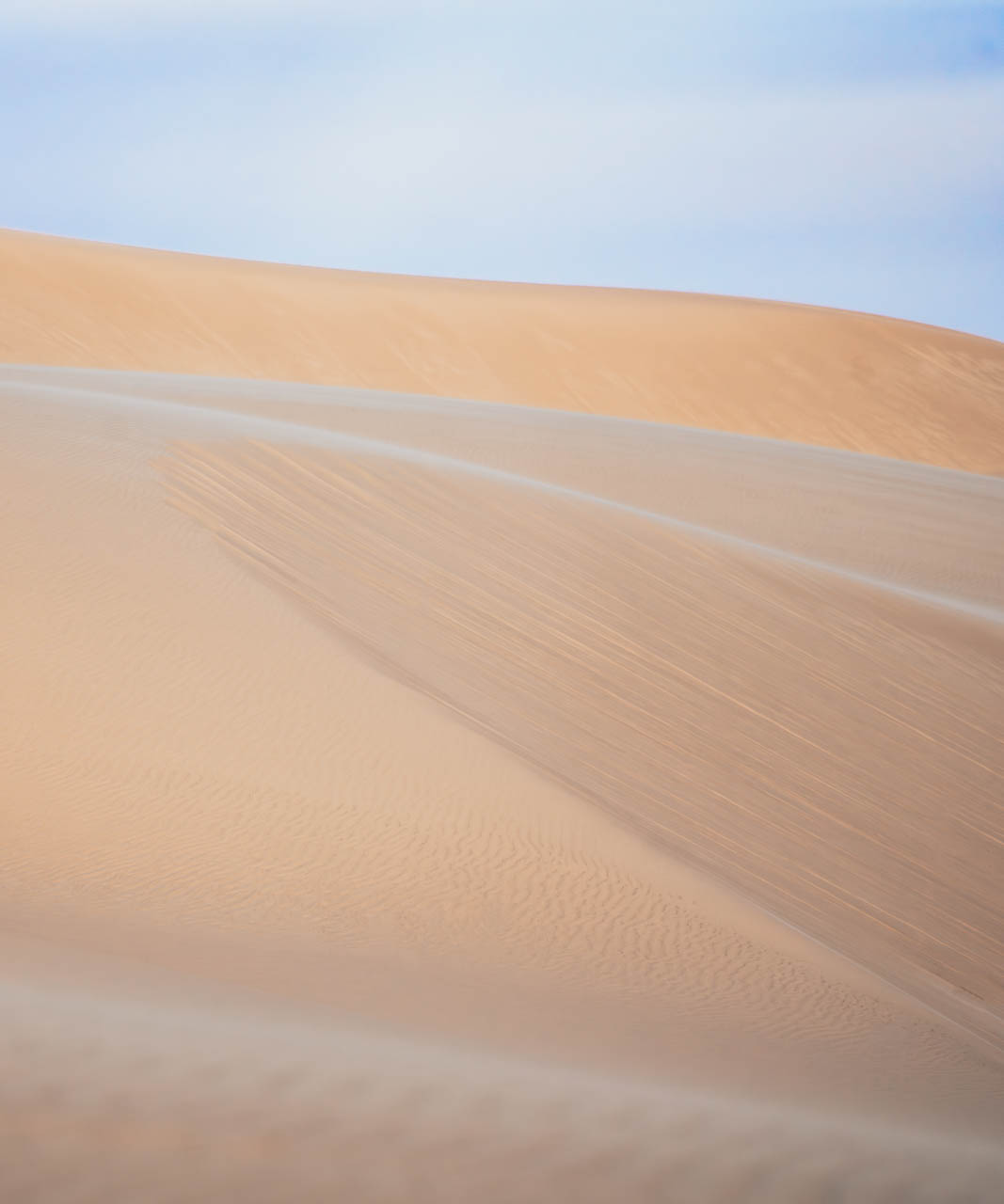
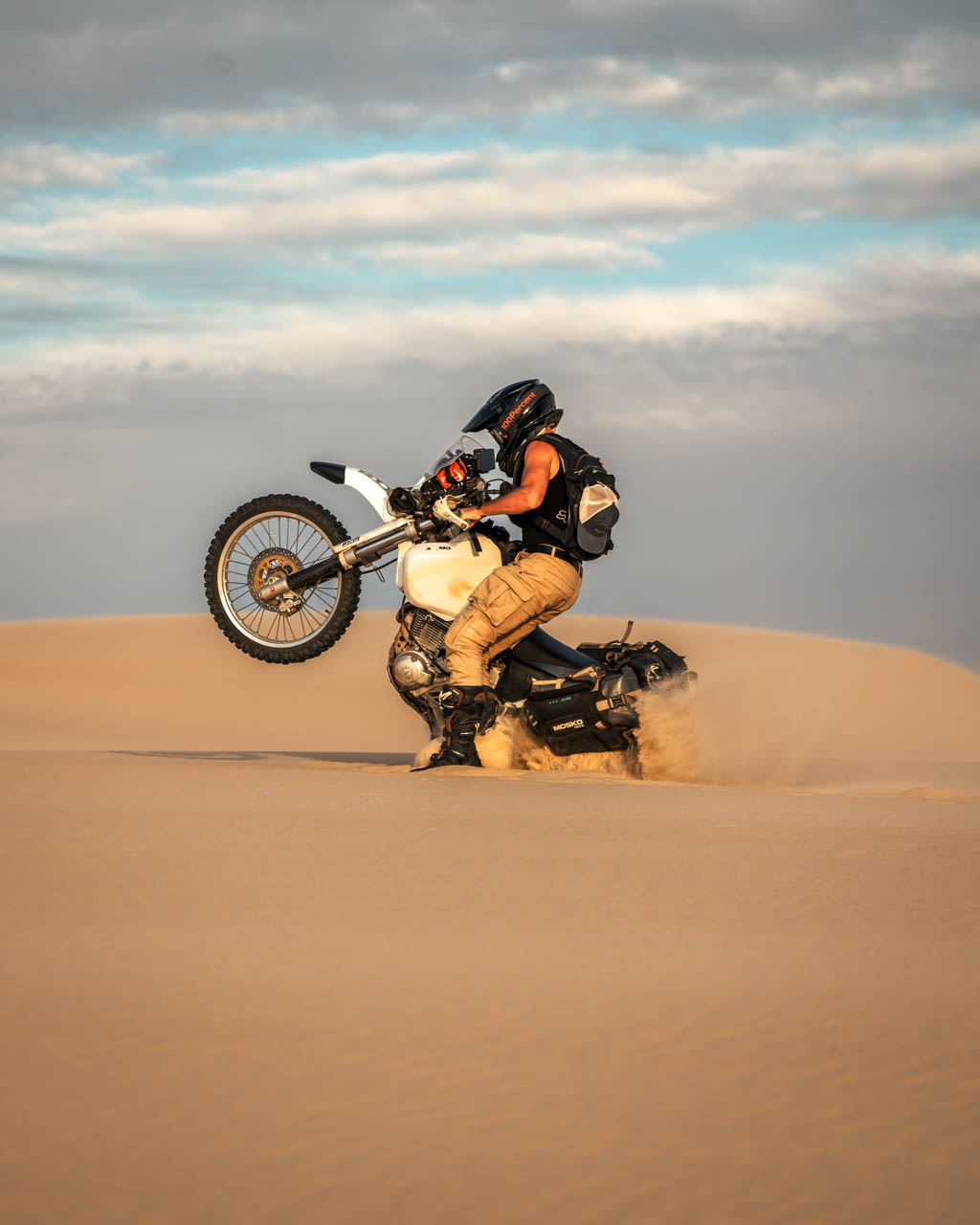
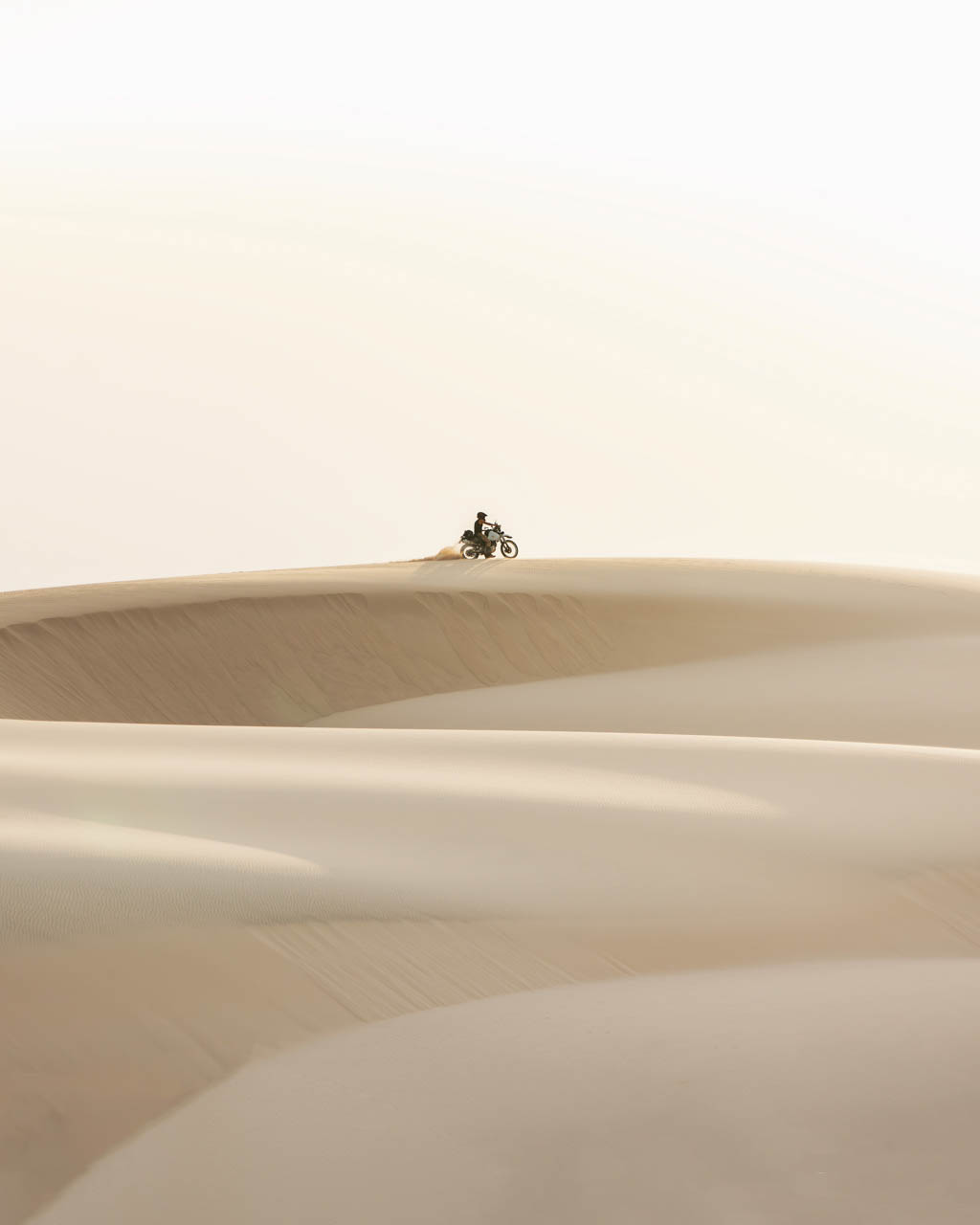
The eighth day began with a mistake. I turned onto what I thought was a dirt track, only to realize the whole stretch had been paved. With no point in fighting asphalt, I stayed on the main road and rode 292 miles (470 kilometers) toward the border with Mauritania. The ride was steady, almost monotonous, so I pulled off into the white dunes and let the bike wander for a while. A pause in the sand, just to feel it under the tires again.
By evening I reached Bir Gandouz, a small settlement known to most overlanders. I checked into Hotel Barbas, a place where travelers from many countries cross paths. Dinner came in the form of metzemen, the Moroccan pancakes sold on the corner. I ate three of them, each costing 30 euro cents, hot and sweet with the desert air around me. It was my last night in Morocco. This country has always been my favorite, the food rich and full of flavor, the tajín with kefta the one I never refuse, and the endless trays of sweets after a meal. I know the route I chose doesn’t show the full Morocco, not the cities or the mountains, but it shows the Sahara and its people. That is enough.
The ninth day began with the Moroccan border. Cars stood in a long line, but on a motorcycle you don’t wait. You ride carefully to the front, straight to customs. Leaving Morocco was fast and organized. Then the road fell silent. For the next two miles (3 kilometers) there was nothing, no police, no hospitals, no villages. Just a strip of no man’s land. Years ago, there wasn’t even a road here. Now there is, but the place still feels dangerous. Strangers stand at the edges with nothing good to offer. My rule was simple: don’t stop, don’t talk, don’t turn off the track. The ground around it is mined. I kept the throttle steady until the Mauritanian gate came into view.
At the border, “helpers” came right away, offering to guide me through the papers. Out here, you take the help. I agreed on a price, ten euros, and let them handle the stress. The entry fees were the same: ten euros for the visa, ten for the insurance. Expensive for a day’s ride, but cheaper than hours of confusion. A SIM card here costs too much; better to wait until Nouakchott. The whole process took a couple of hours, and by then the heat had begun to press down hard.
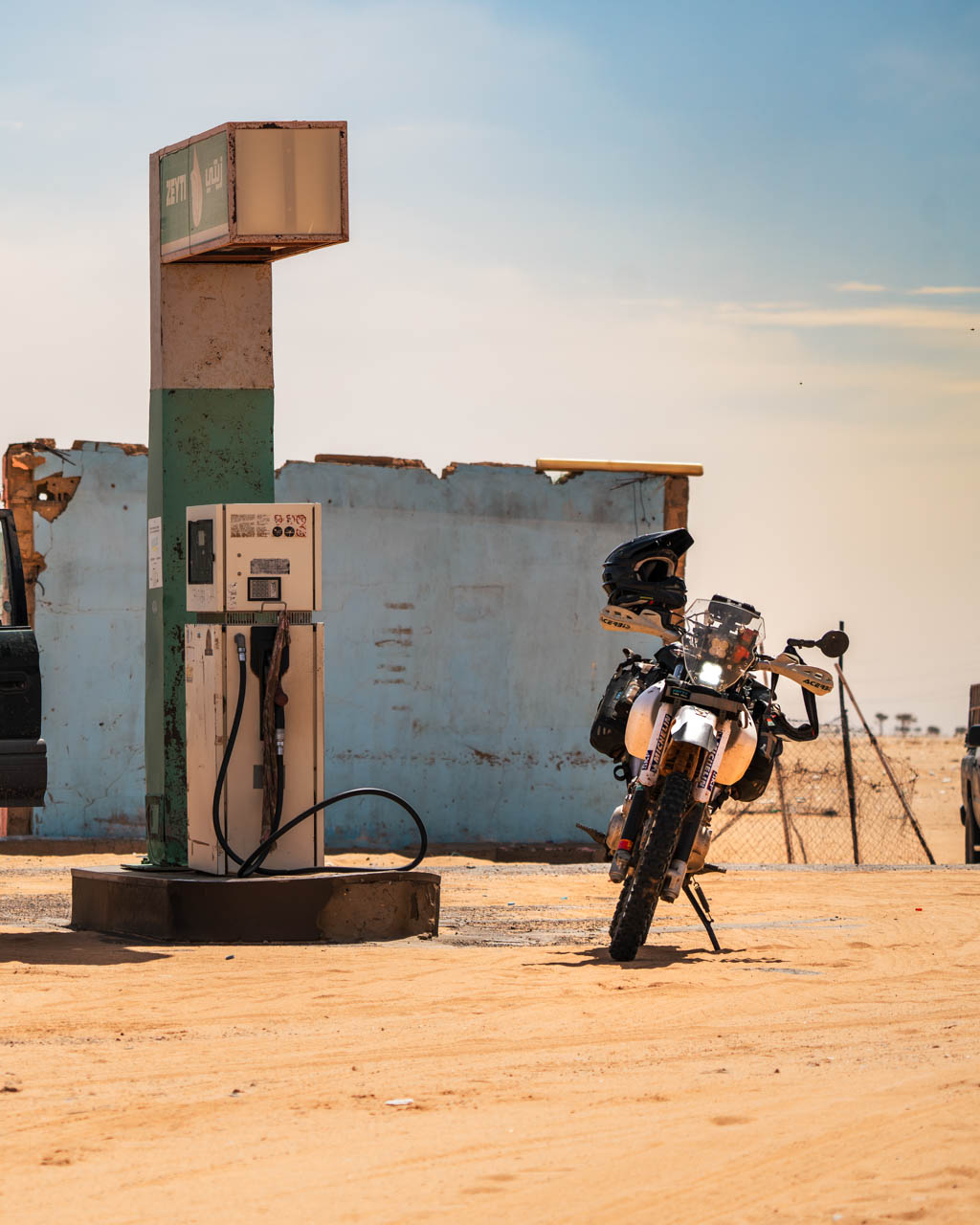
My plan had been to ride north to the Eye of the Sahara, the Richat Structure. To reach it meant following the railway for 280 miles (450 kilometers) and then another 250 miles (400 kilometers) of brutal, technical ground. With the temperature past 113°F (45°C), it wasn’t possible. The bike would not have survived it. Neither would I. So I turned south instead, following 280 miles (450 kilometers) of broken asphalt toward the capital. The heat came through everything: black jacket, black helmet, even the seat burning against me. At one point I felt the dizziness crawl up inside my head. The Yamaha’s oil was running hot. There was nowhere to stop. The police stations I passed were empty, standing like shells in the dust. On the road, checkpoints were constant.
Each one asked for papers, and each time I handed over another photocopy of my passport. Out here, you carry a stack of them, or you don’t ride far.
I reached Nouakchott at sunset. The last hour was the worst, traffic with no rules, cars without headlights, drivers who did not care. Darkness here is not a place for motorcycles. I pushed through until I found the coast. Dinner at the Sabah restaurant tasted of the sea, and on the edge of the city I found a safe camping spot to sleep. The wind carried the smell of salt again, the same as the ferry nine days before.
Children, Baobabs, and a Fall in the Heat
I left Nouakchott at dawn, the traffic already pushing against itself in the half-light. The road to the border was 155 miles (250 kilometers), a stretch that looks easy on a map but carries its own weight. Fifty of those miles are dirt. If it rains, you don’t go. Simple as that. In Mauritania, an accident has consequences you don’t want to face, poor hospitals, little medicine, too many lives depending on too little. The traffic itself is its own danger: reckless drivers, animals grazing in the middle of the road, people walking wherever they need to.
There are two ways into Senegal: Rosso and Diama. Rosso is notorious, full of corruption, a crossing where you pay more than you should and lose more than you want. Diama is the better choice. Even there, the police may stop you and ask strange questions. One asked me if I knew who Allah was. My advice is simple: don’t answer, don’t argue, act as if you don’t understand. Bribes are common, but paying them only feeds the problem. Respect and silence go further.
At the Mauritanian post, everything had a price. Ten euros for the national park, five for the border gate, ten for the bridge. They also asked for a “gift” of another ten euros. I refused, politely but firmly. On the Senegalese side, a friend was waiting, someone I had met years before. He handled the insurance and the paperwork for thirty euros. With him there, the process was quick, and soon the stamp was in my passport.
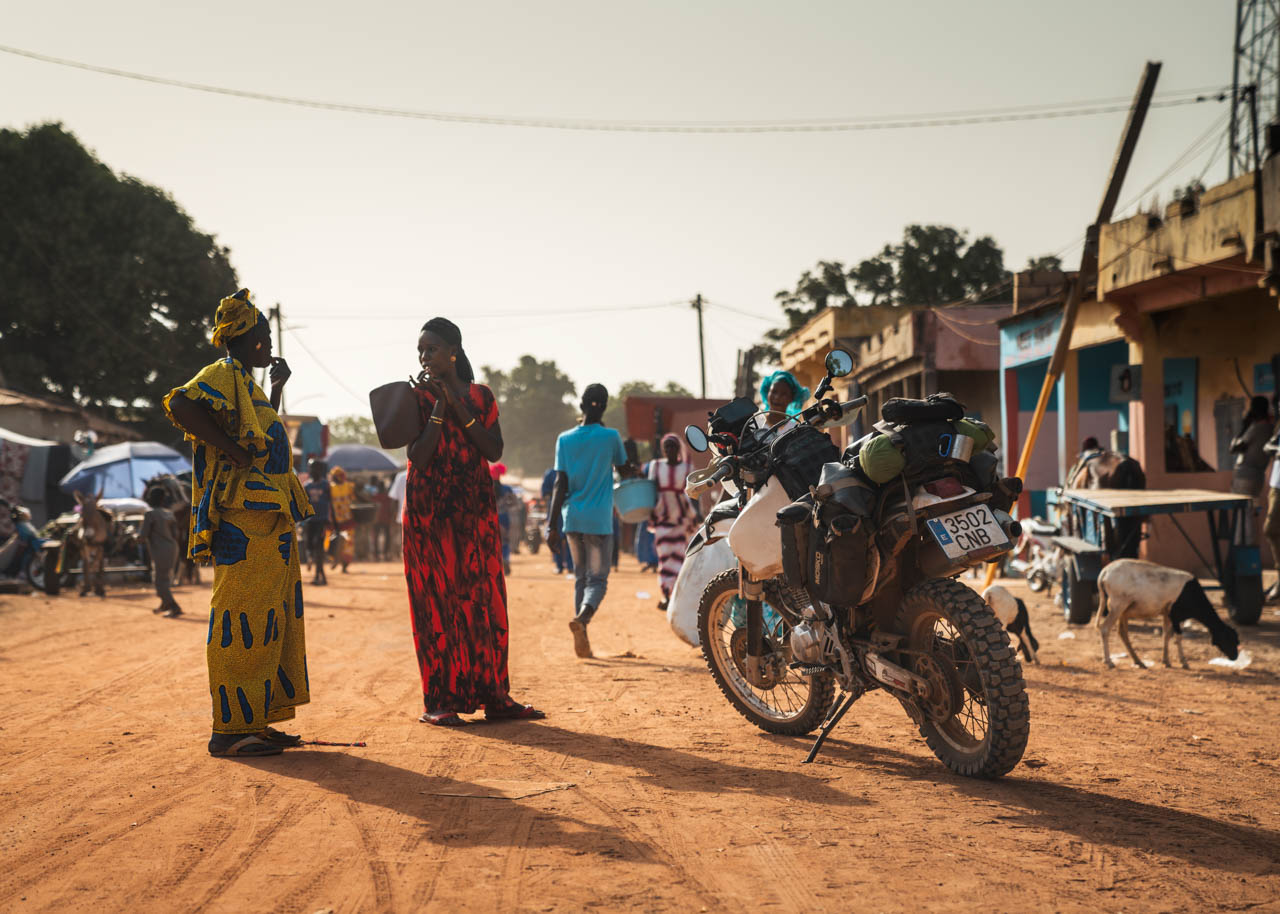
Crossing into Senegal feels like stepping into color. The people are warm, open, always ready with a smile. Mauritania had been austere, a place of heat and silence. Senegal was noise and music and life in the open. It was my fourth time here, and I rode straight to the Zebra Bar, a campground known to every overlander. Saint-Louis could have been an option too, safe, friendly, and with its own charm, but I wanted the river, the animals, and the night sky close.
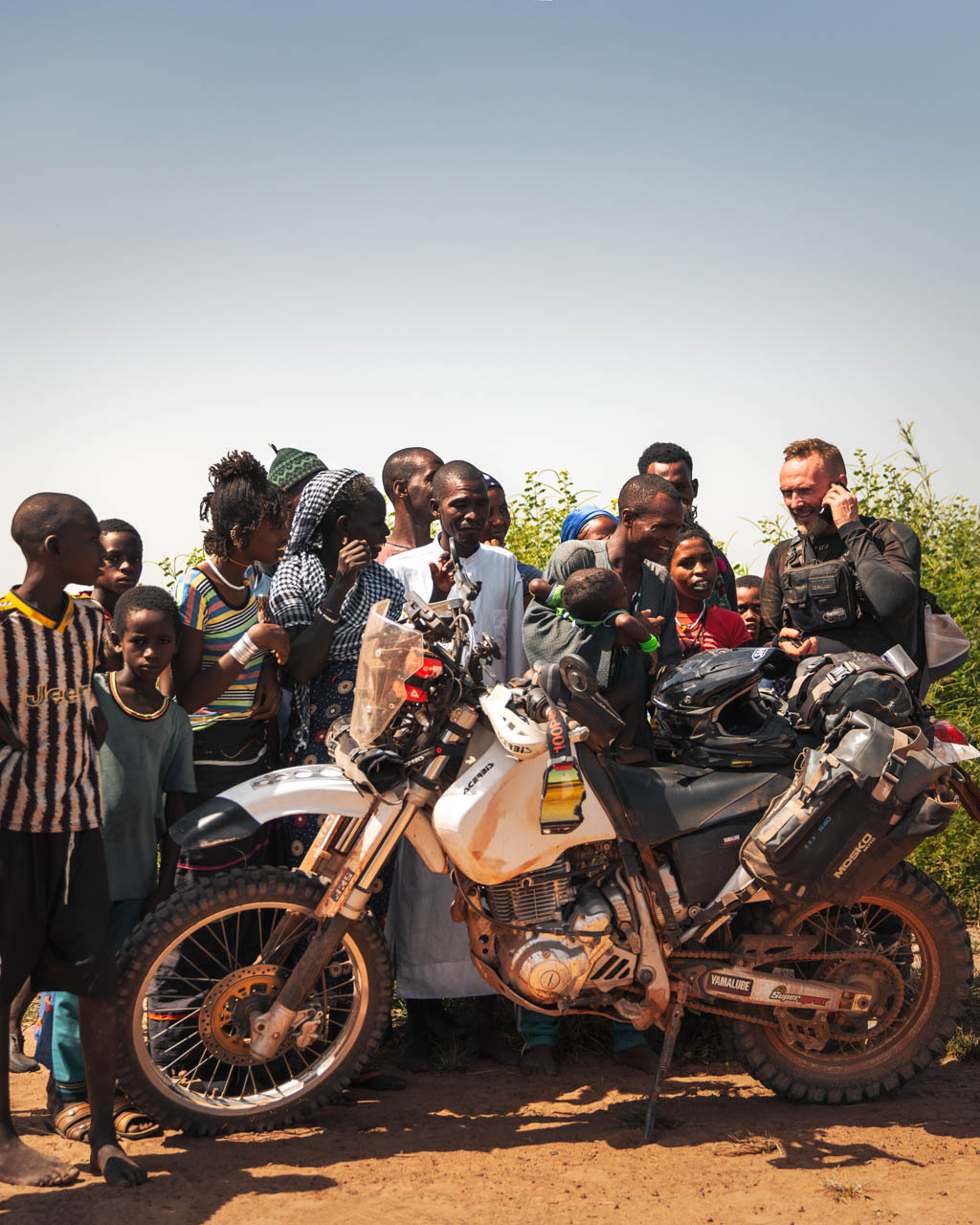
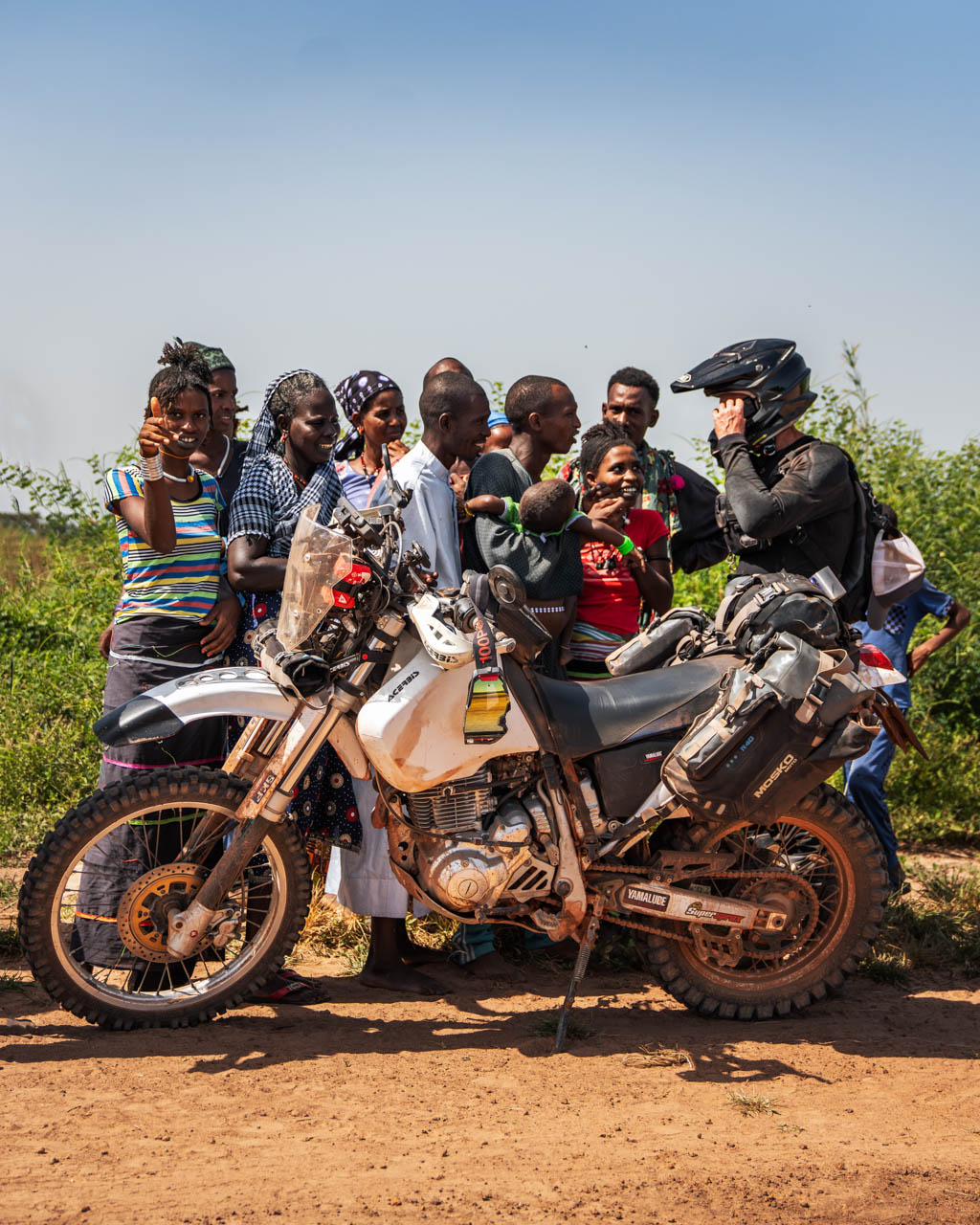
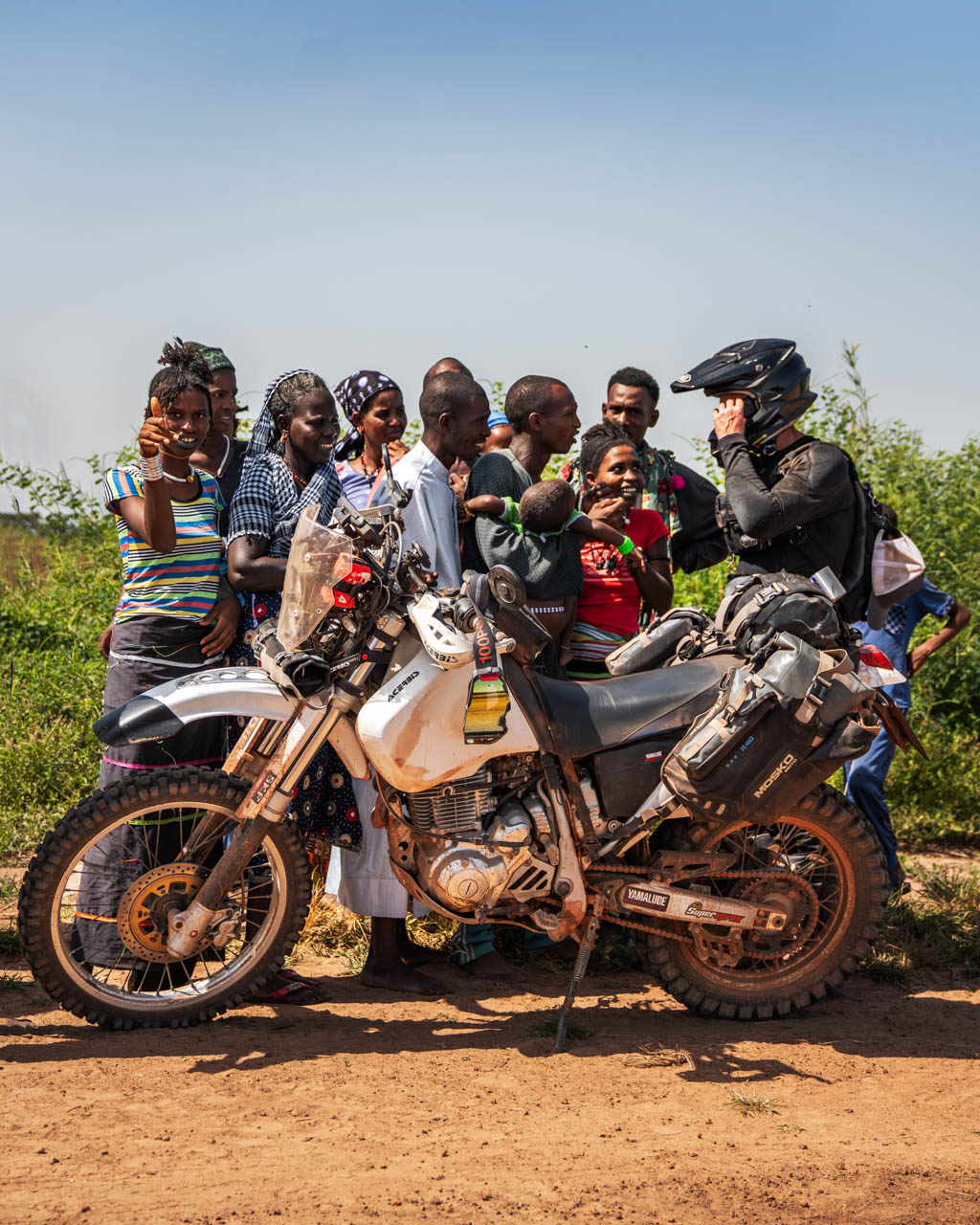
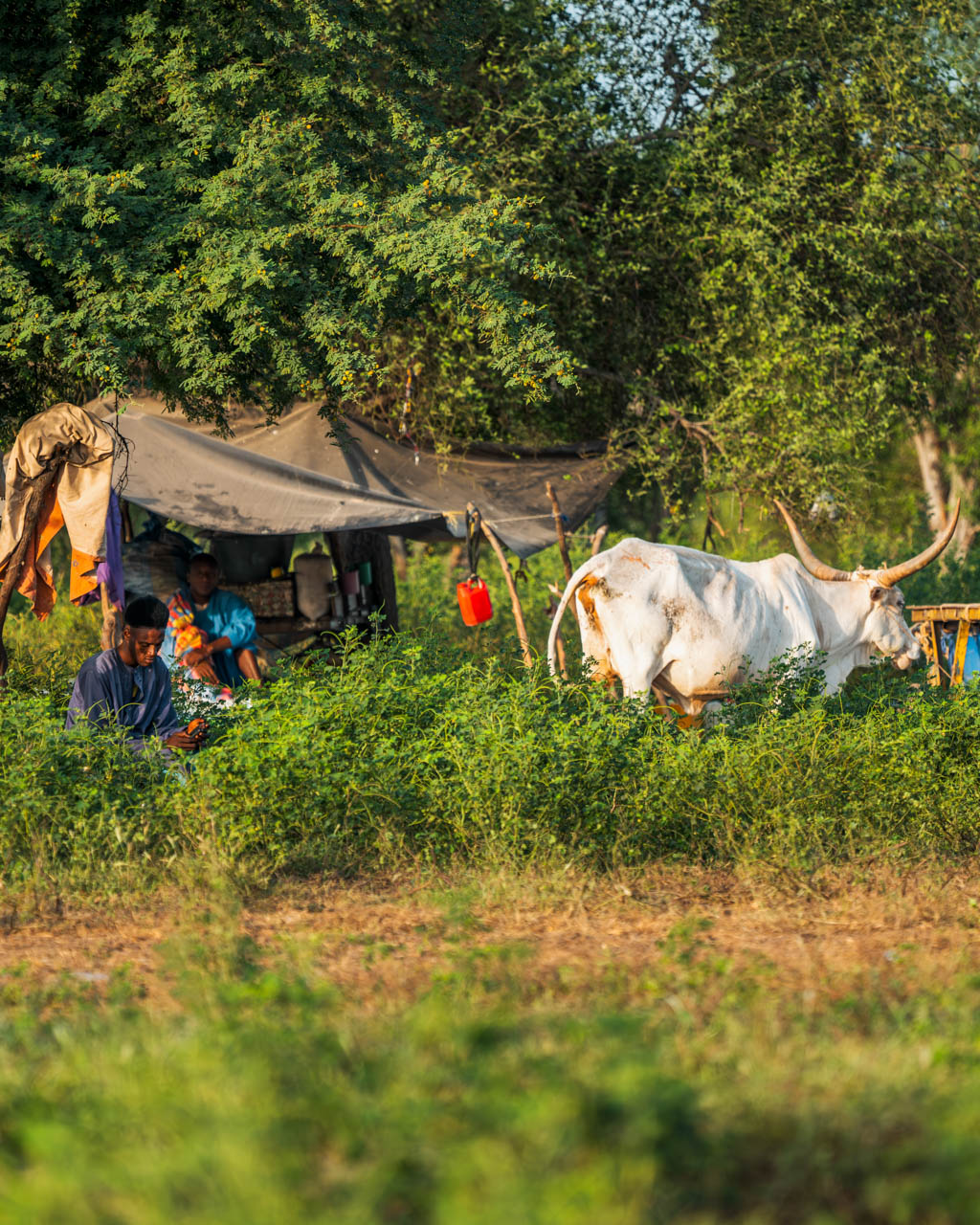
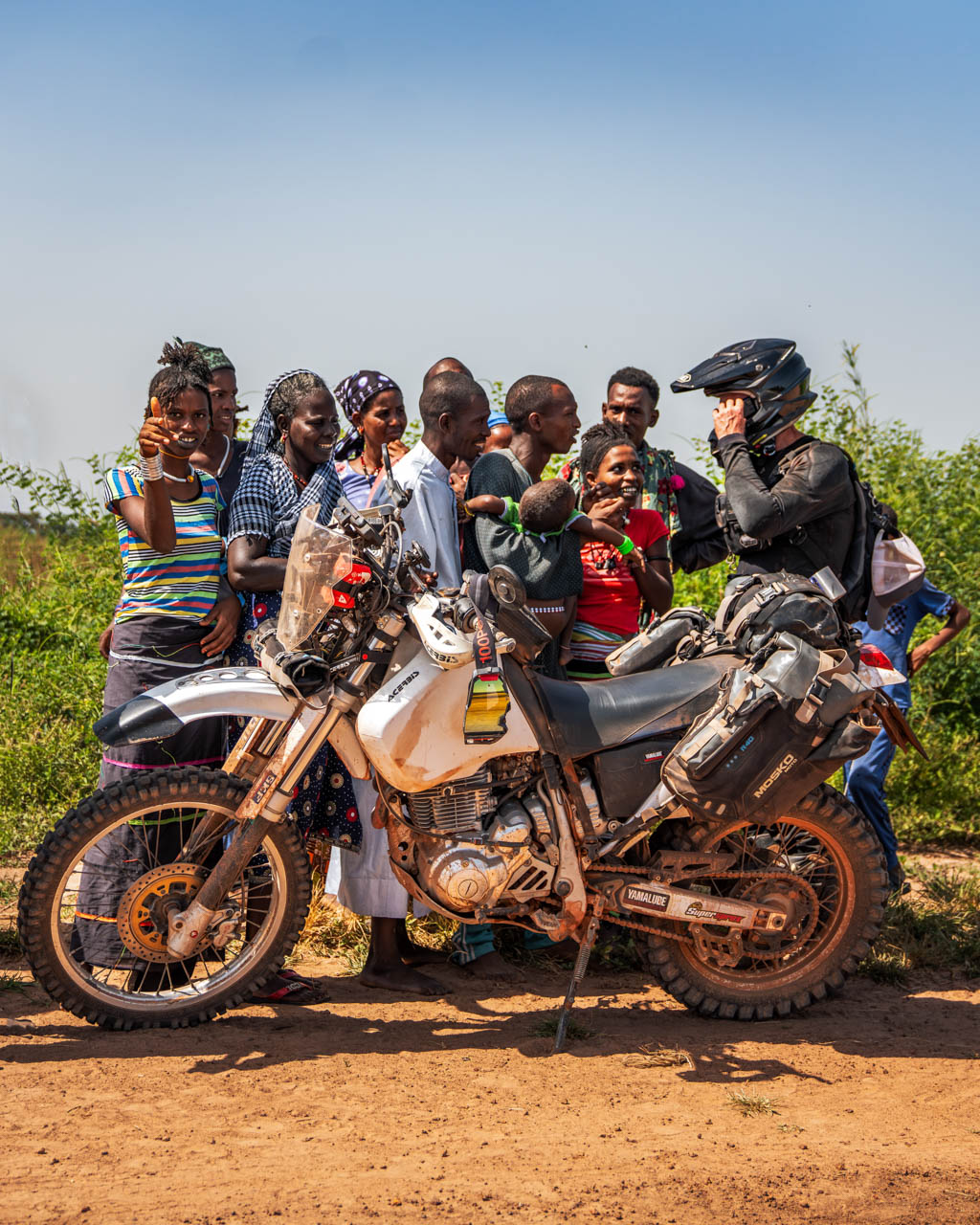
I met my friend Íñigo that morning, a week into his own trip from Spain in a 4×4. We had agreed to ride together through Senegal and into Gambia, following the route I had mapped. The first few miles were easy asphalt, then the road turned into red earth. That was where Africa began to show itself, the colors, the villages, the faces. People waved as we passed, children ran barefoot to the roadside shouting, smiling, waiting to see if we carried gifts. In the back of Íñigo’s truck we had a few footballs and T-shirts brought from Spain. Handing them out lit up the villages like nothing else.
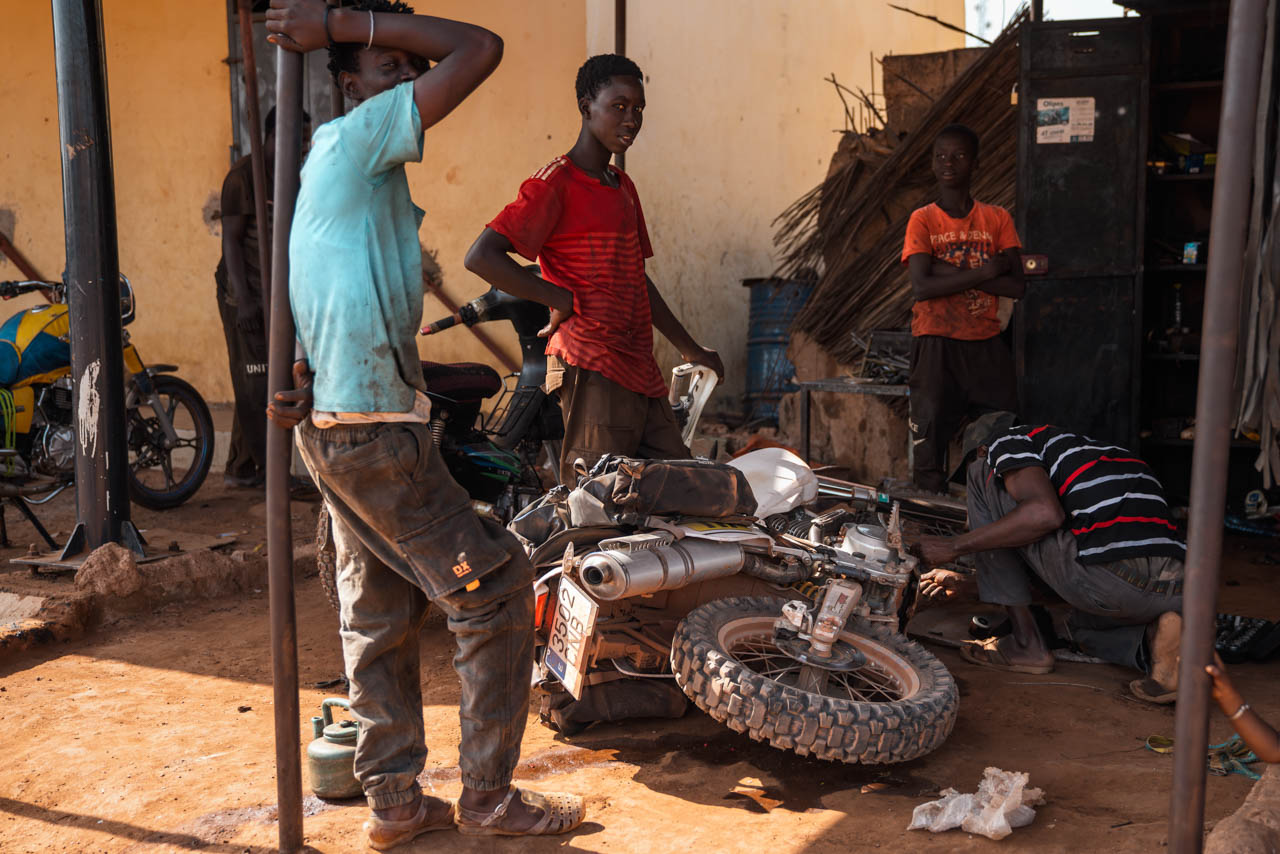
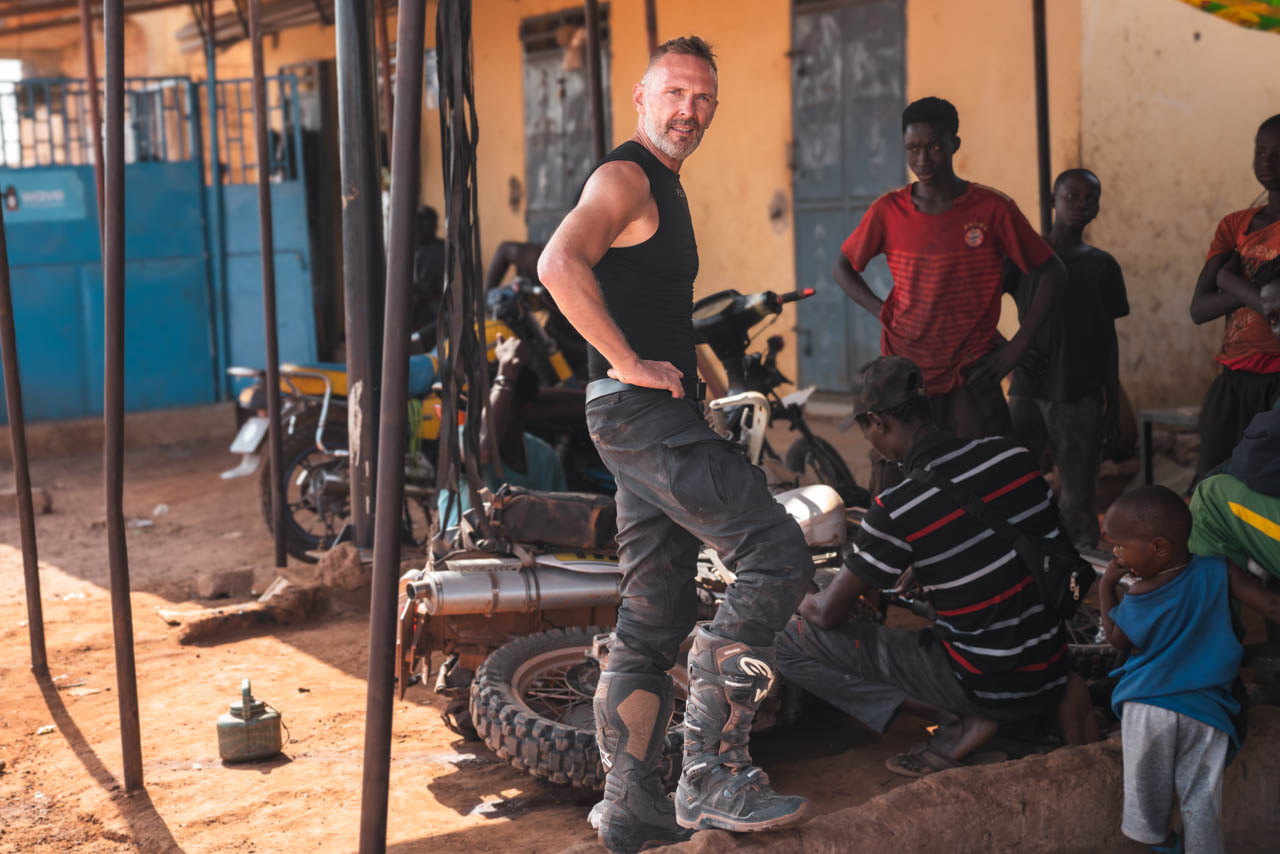
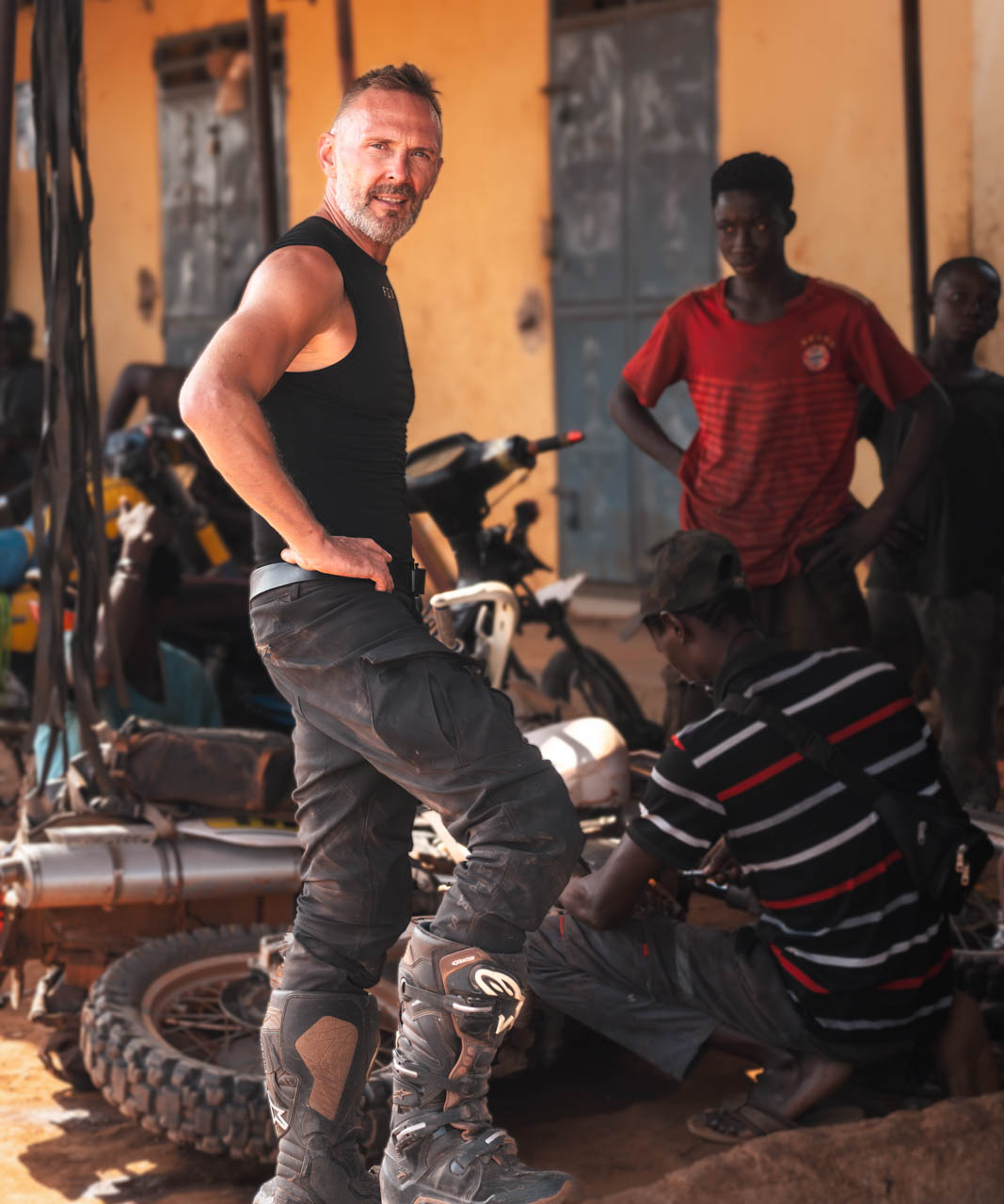
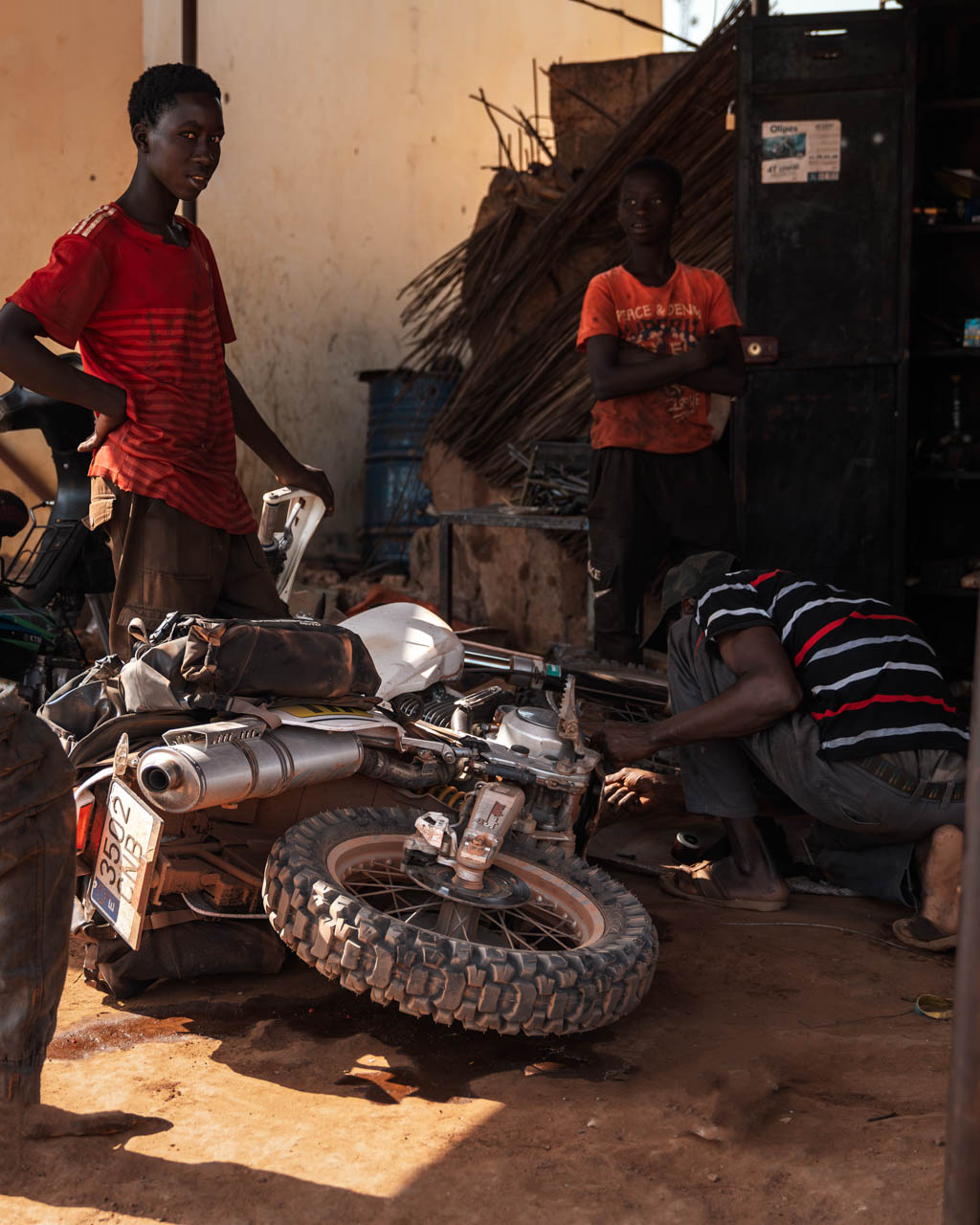
The plan was to ride into the heart of Senegal. The start was sandy and hard on the bike. Fatigue had been building for days, and another problem had joined it, a slow leak of oil from the filter cover. After a hundred miles I felt my leg growing hot and saw oil sprayed across it. I thought it was nothing, maybe a loose screw. But one bolt had snapped, and the only fix was a mechanic. A few miles later, in Dahra, I found one. The man worked quick, steady hands, no hesitation. In an hour the Yamaha was running clean again. He asked five euros. I gave him ten. Some work deserves more.
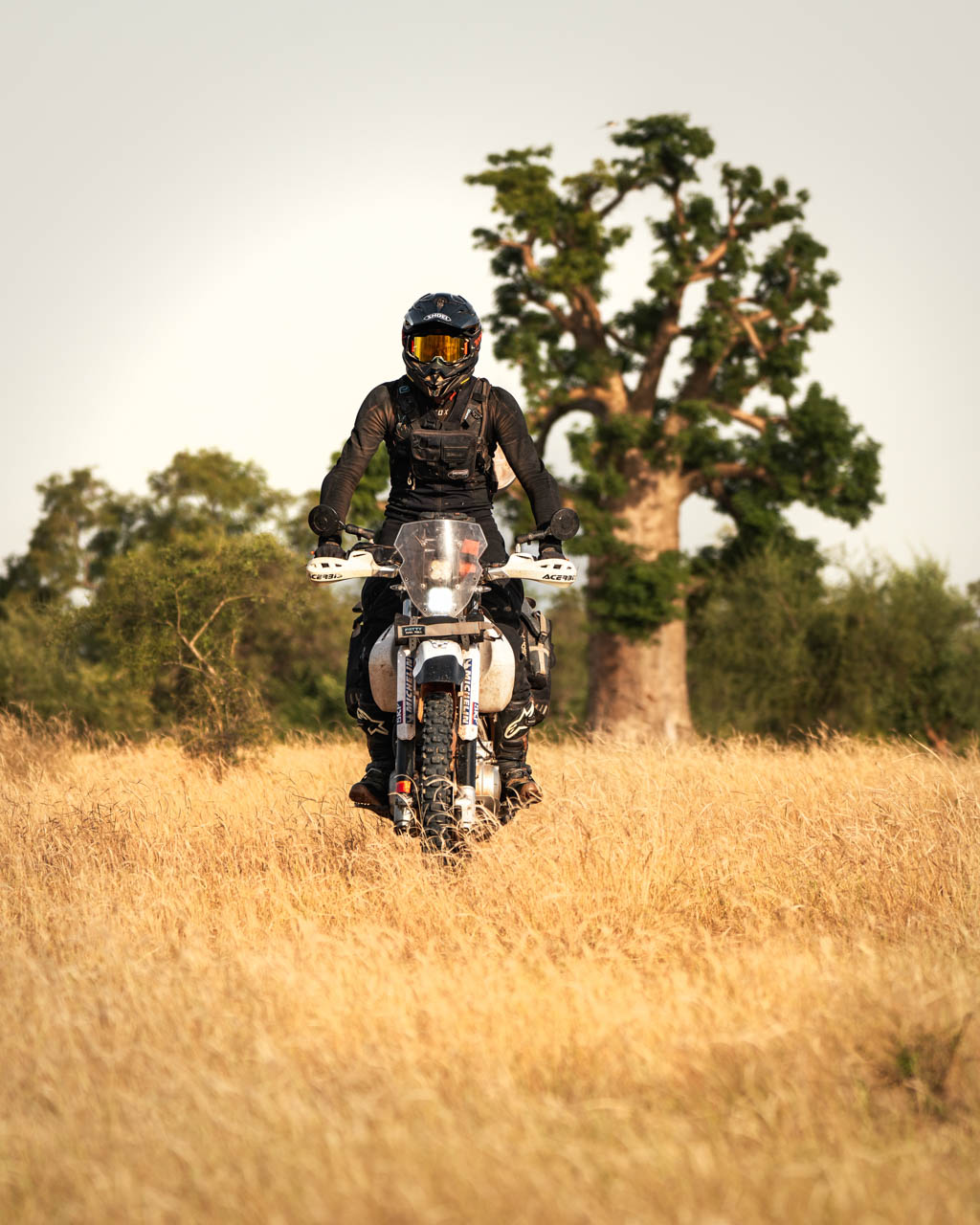
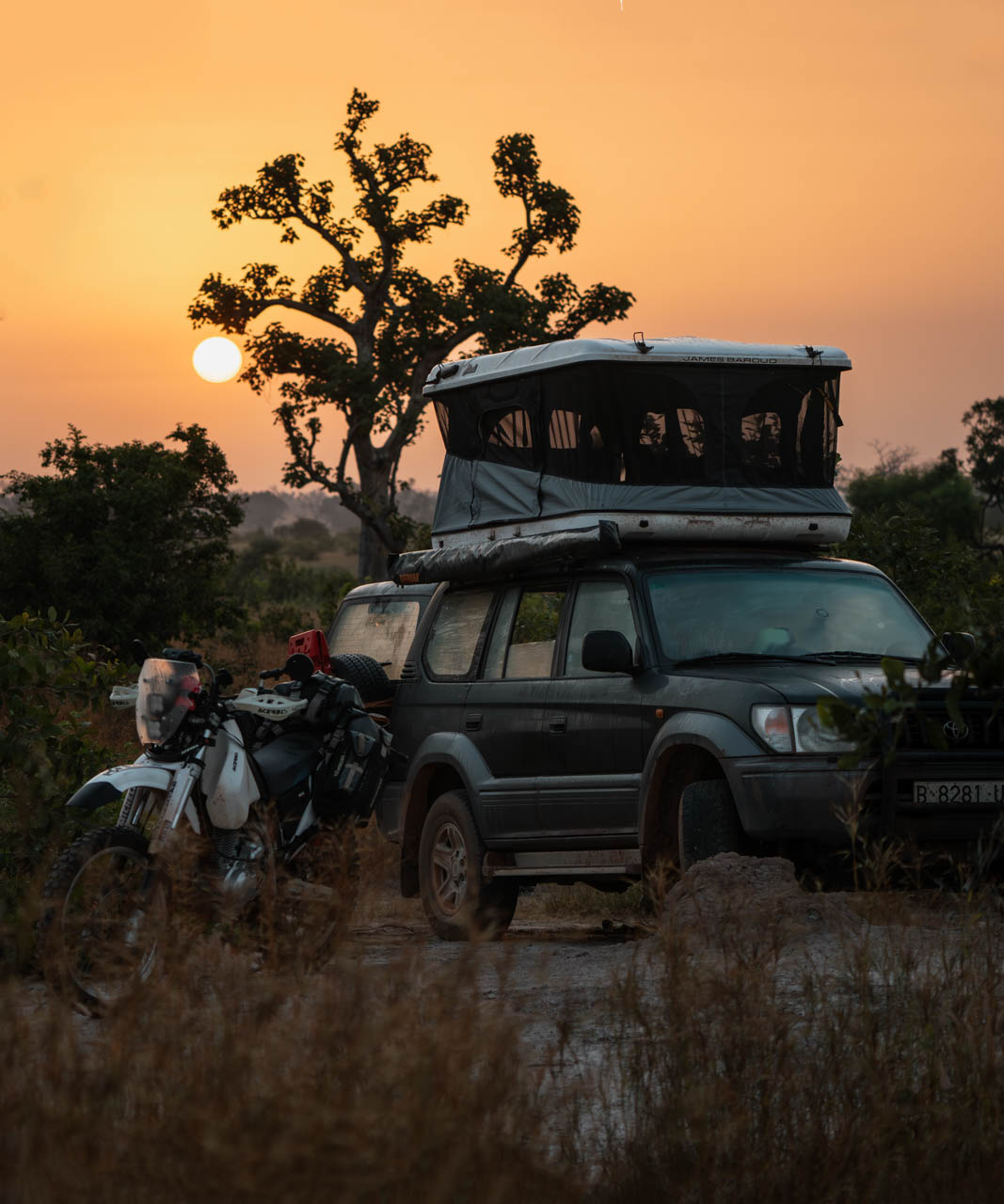
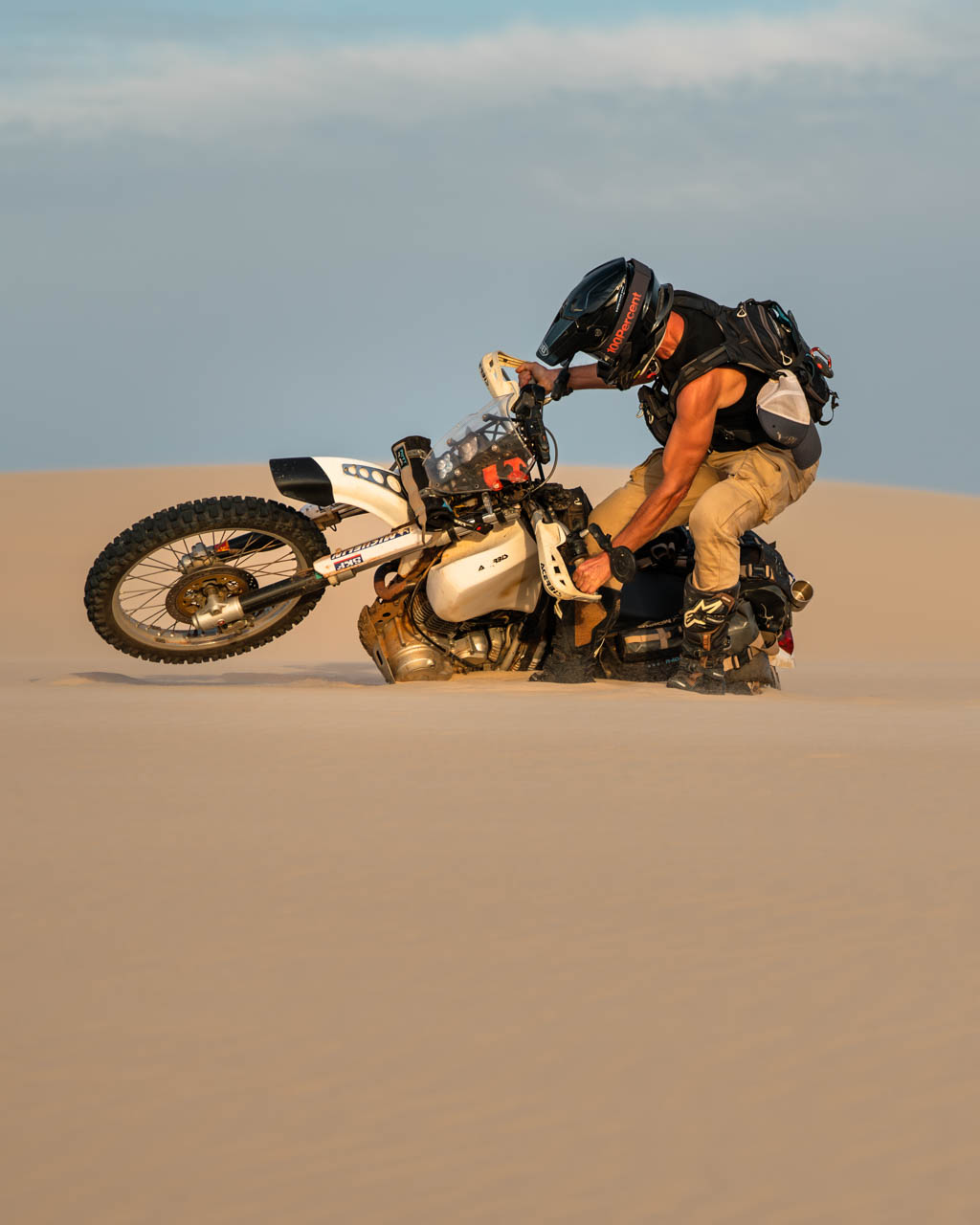
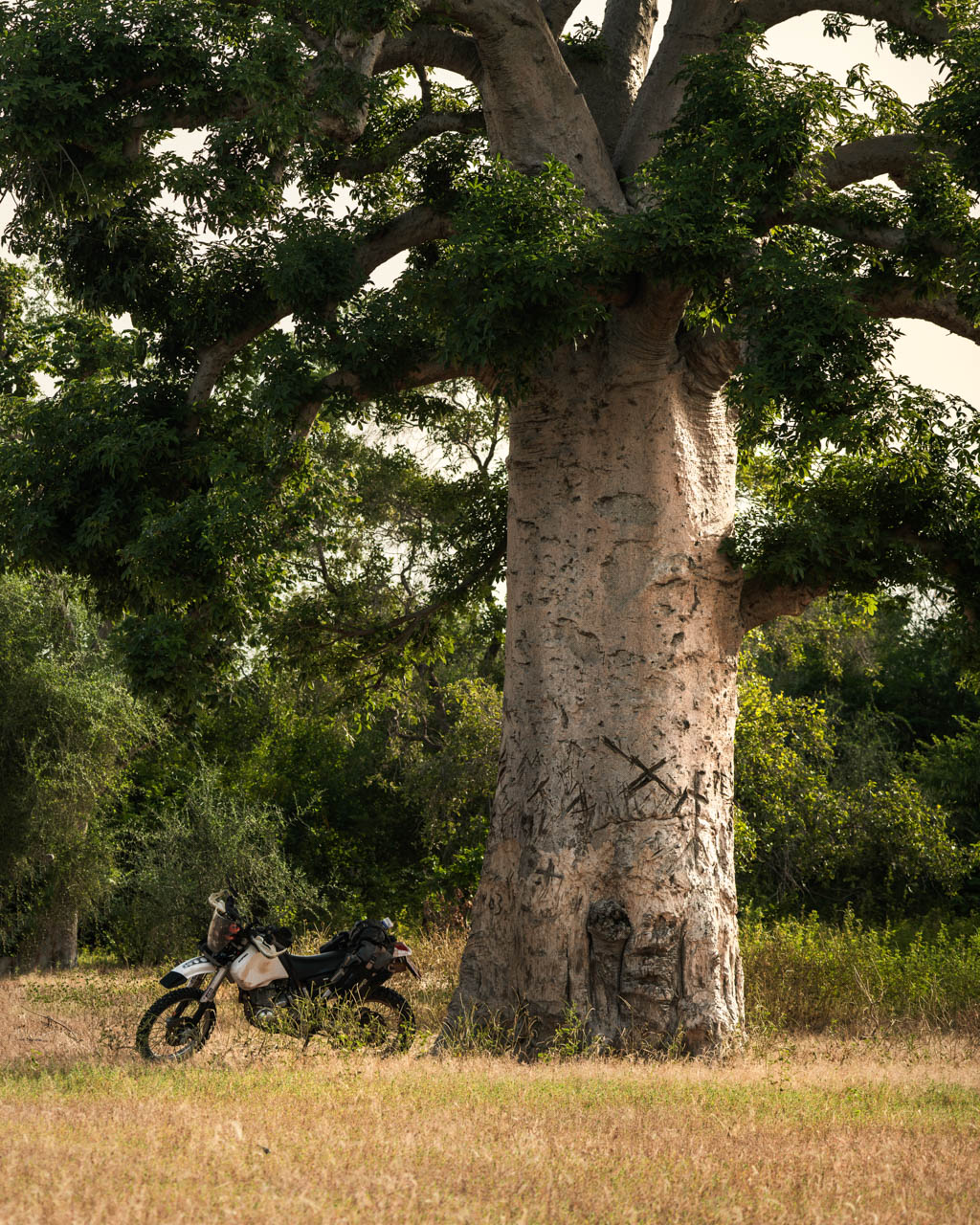
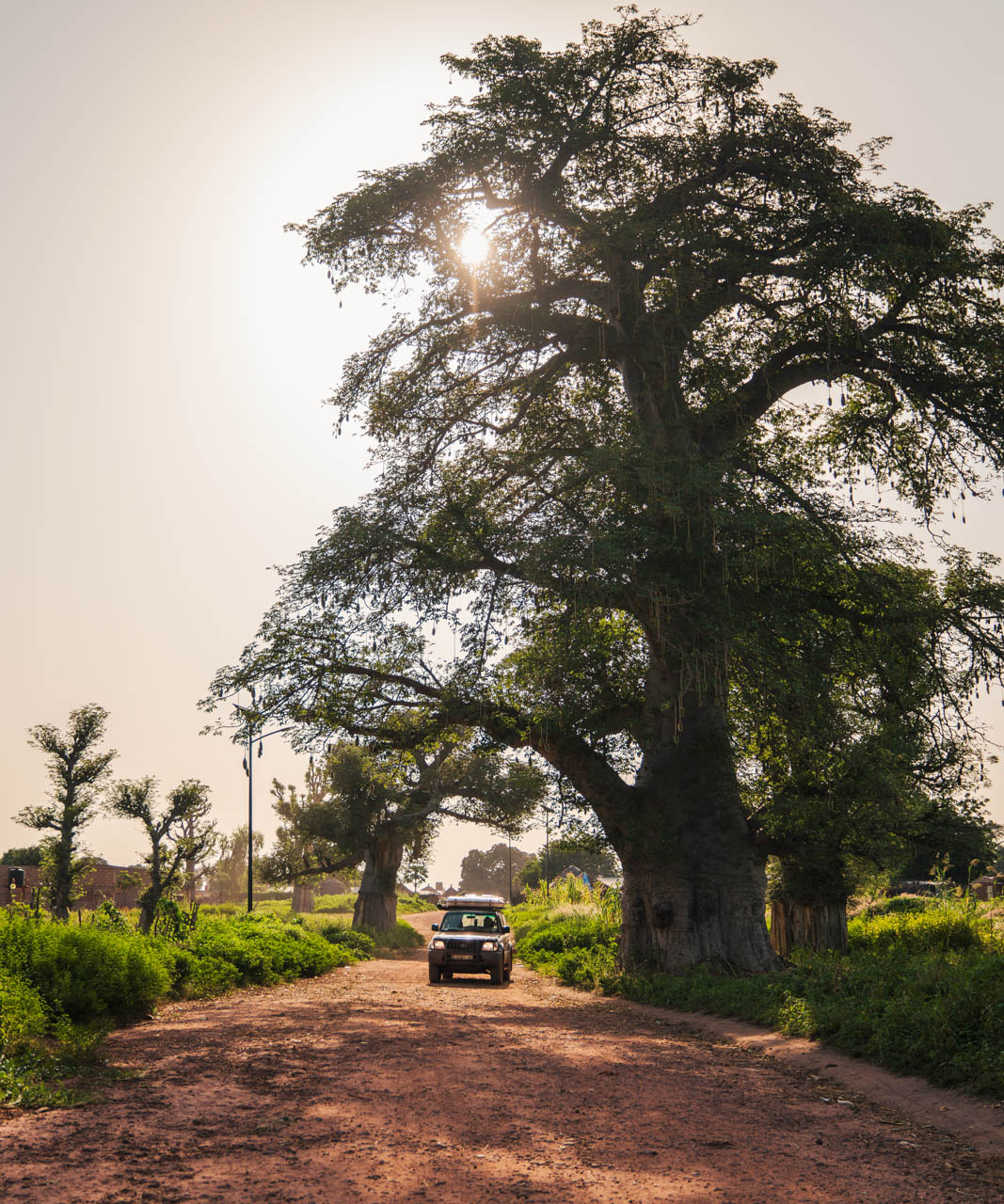
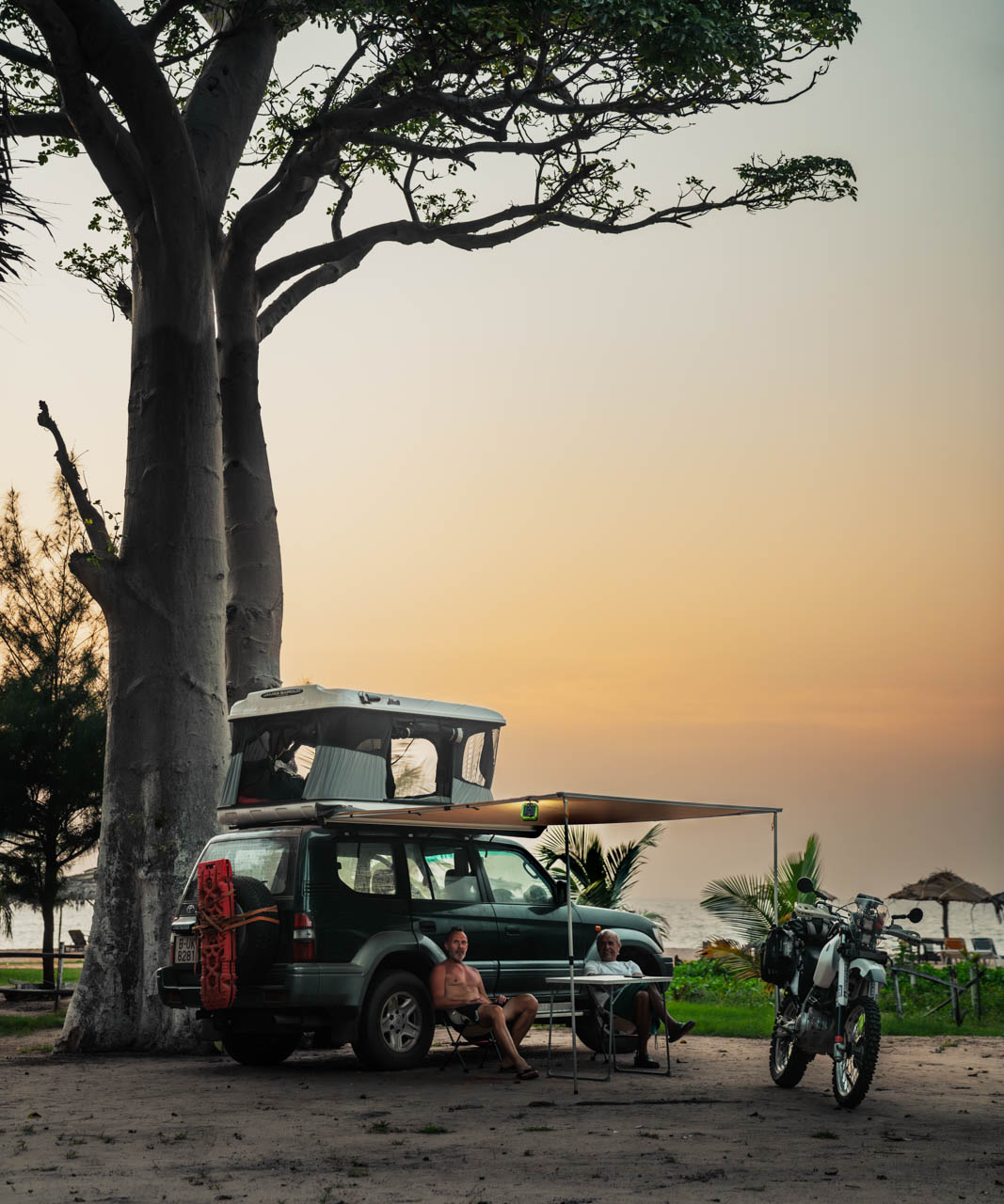
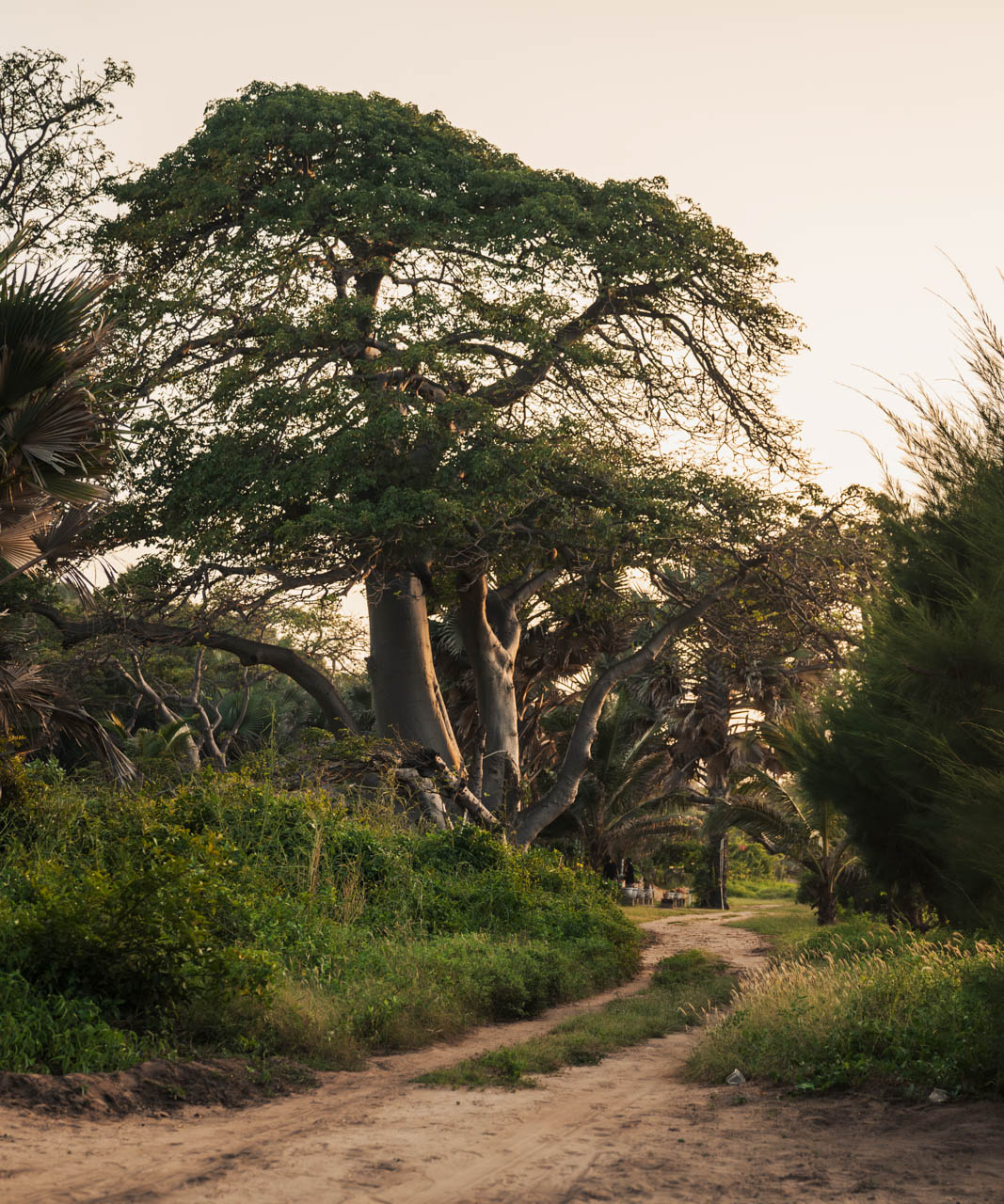
The heat of the afternoon was merciless, above 104°F (40°C). It pressed down until my vision blurred. That was when I went down, a hard fall that left my shoulder and back aching, the sand sticking to my sweat. It could have been worse. I pulled the bike upright, tested the levers, checked my own bones, and kept going. By the end of the day we had covered 174 miles (280 kilometers), and we stopped at a giant baobab where Íñigo set up his rooftop tent. He cleared a space for me in the truck. That night, the sound of insects and the vast tree above us marked the end of the ride.
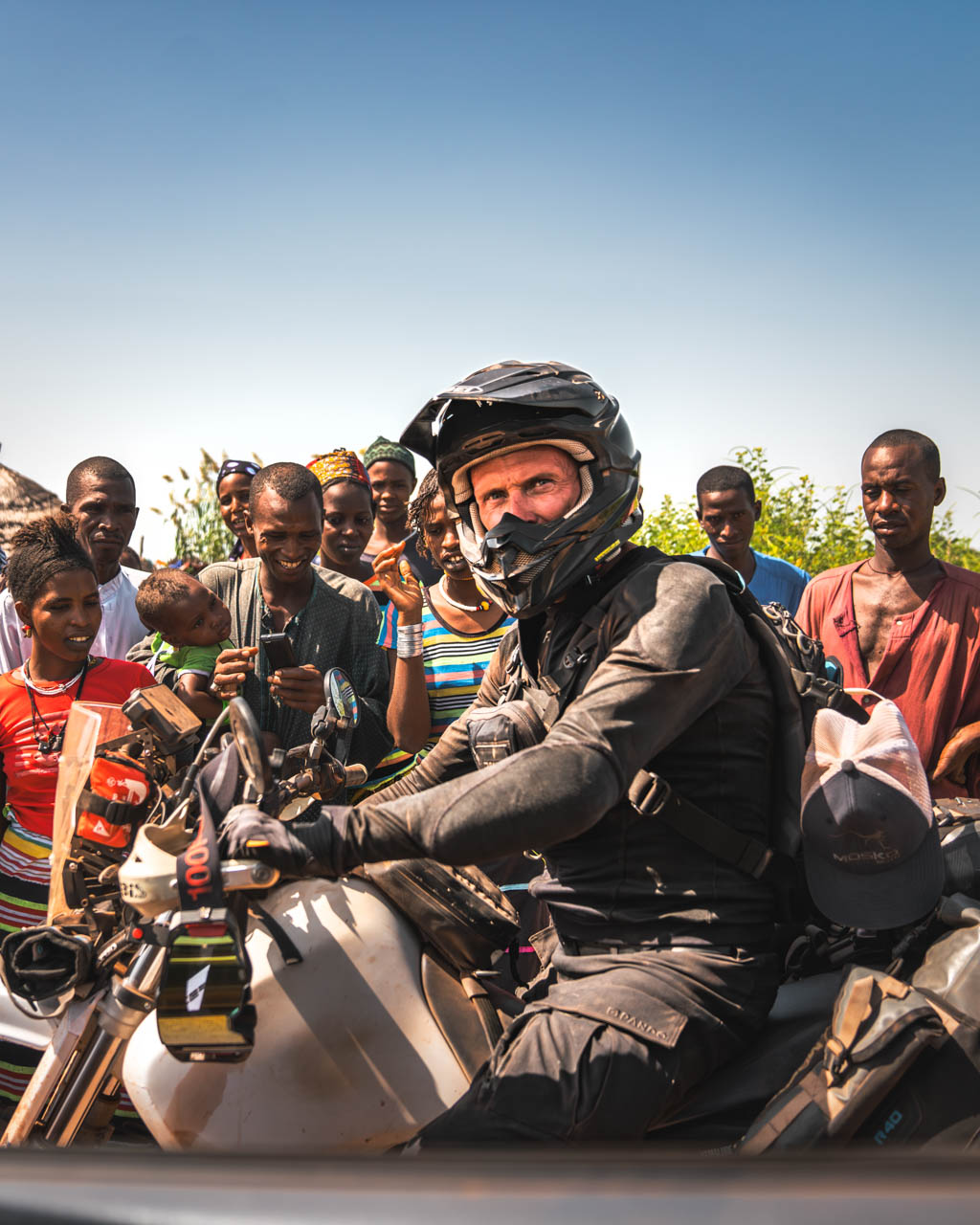
Íñigo was already up with a pot of coffee when I opened my eyes. We agreed to meet later that night in Velingara, his 4×4 moved slower on rough tracks, and the Yamaha ate dirt roads faster. The day stretched to 236 miles (380 kilometers). The sand eased as I went south, replaced by clay roads full of holes, red dust rising in the air. I rode alone the whole day, but I was never unseen. Each time I stopped, people came. Some kept their distance, watching.
Others came closer, asking for small gifts. Out here, tourism doesn’t reach. A stranger on a motorcycle is not common.
By evening I rolled into the campground at Velingara. A few hours later, Íñigo arrived, the dust of the road still on his truck. One of the young workers there followed me everywhere, asking for money. I told him I needed to earn it first. He laughed and offered me a deal: for ten euros he would wash my bike and my clothes. I agreed. Sometimes honesty is the cleanest currency.
That night the whole town was alive with football. Barcelona against Real Madrid. Íñigo and I walked through the streets looking for a bar with the match.
We ended up in one filled with Barcelona fans. They welcomed us with drinks, smiles, the game loud on the TV. Barcelona won, and when we left, Íñigo and I kept our heads low, pretending shame, but laughing all the same.
Our goal was Gambia, and by the end of the day we had added another 217 miles (350 kilometers) to the ride. It was the most beautiful stretch of the journey so far. That corner of Senegal, pressed between Gambia and Guinea, is alive with green. The road turned to red earth again, but it wound through trees, villages, and farmland. After so many days of desert, the colors felt like a gift.
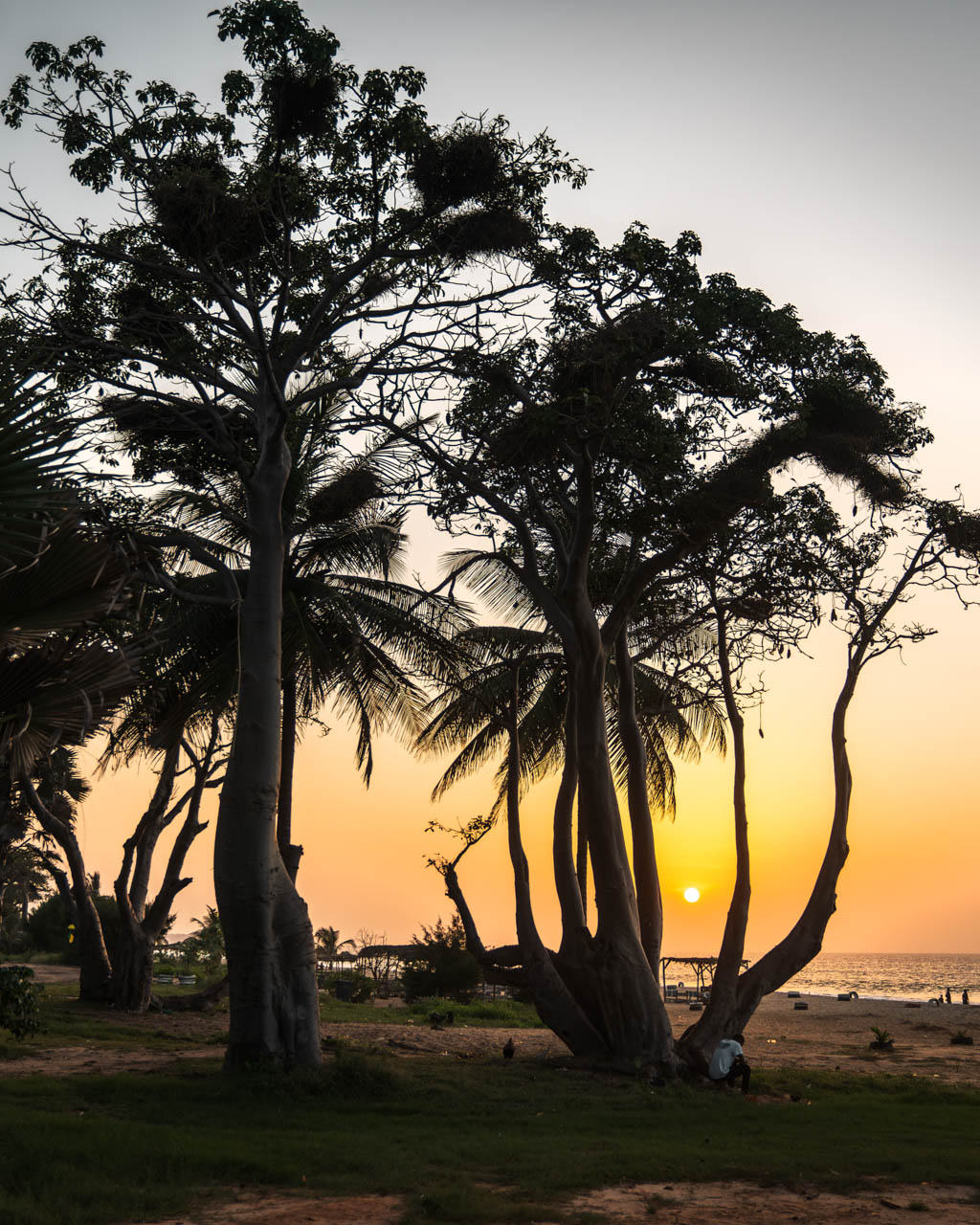
We reached the Gambian border at sunset. The crossing was simple, a few questions, a few stamps, and we were through. By nightfall we rolled into a camp on the edge of the ocean. The Atlantic was waiting, dark and endless. Íñigo and I stripped off the dust of the road and walked straight into the water.
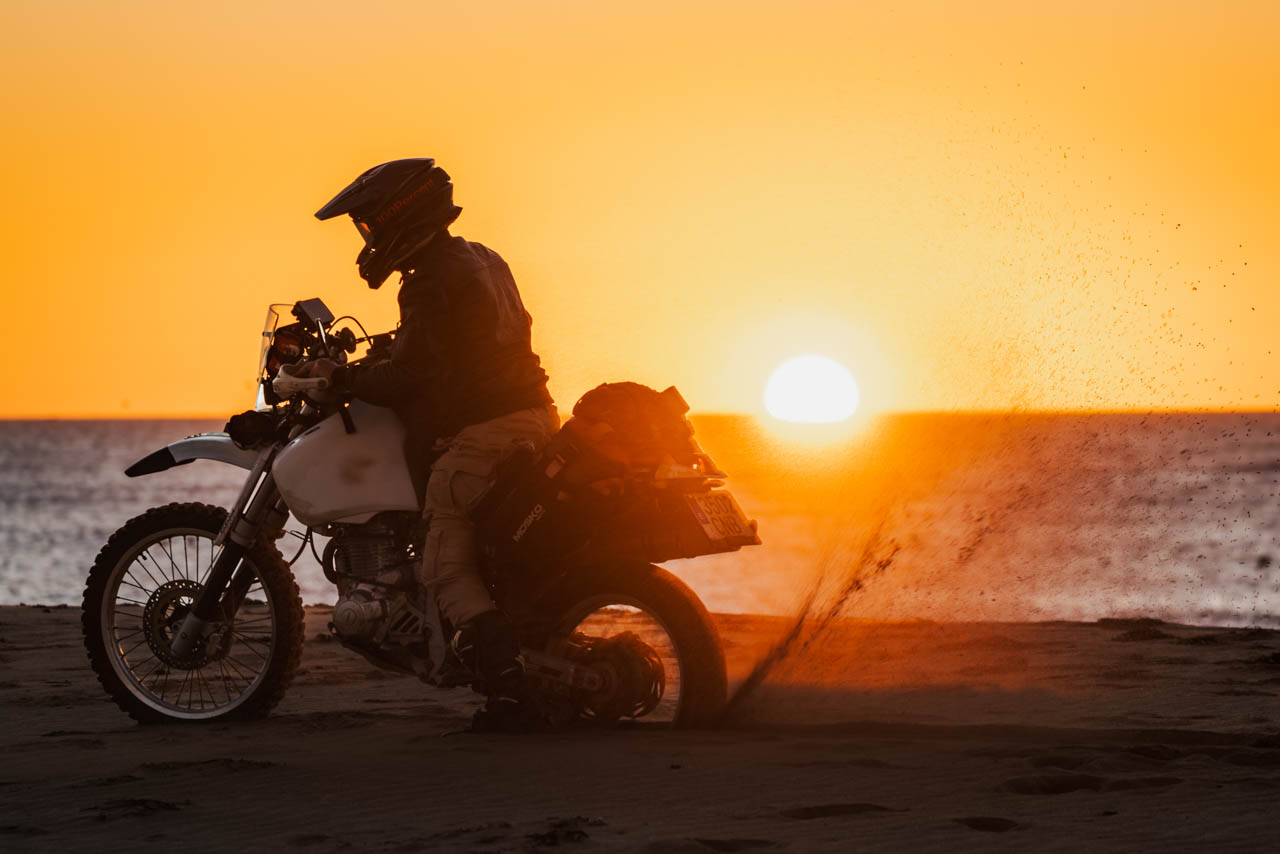
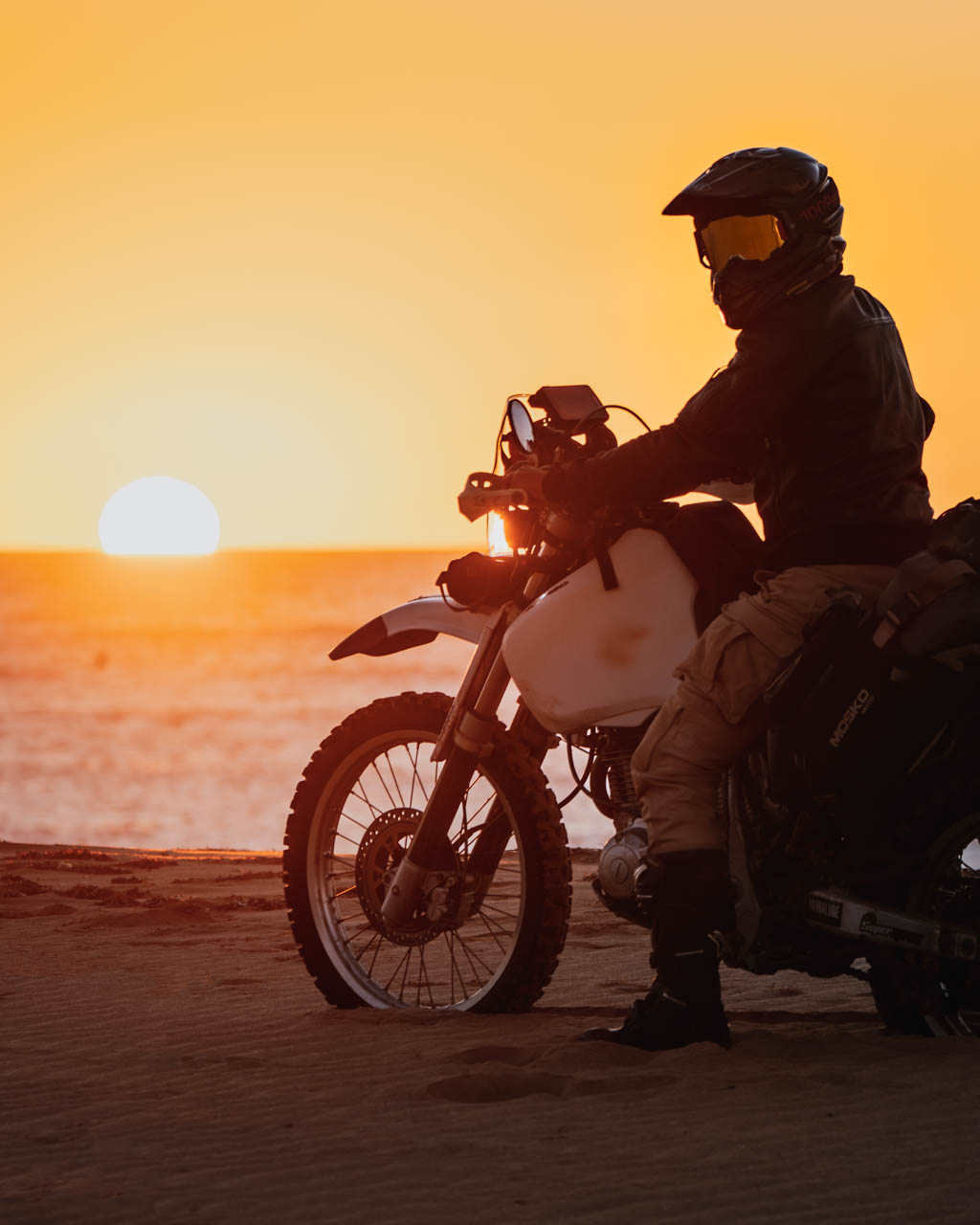
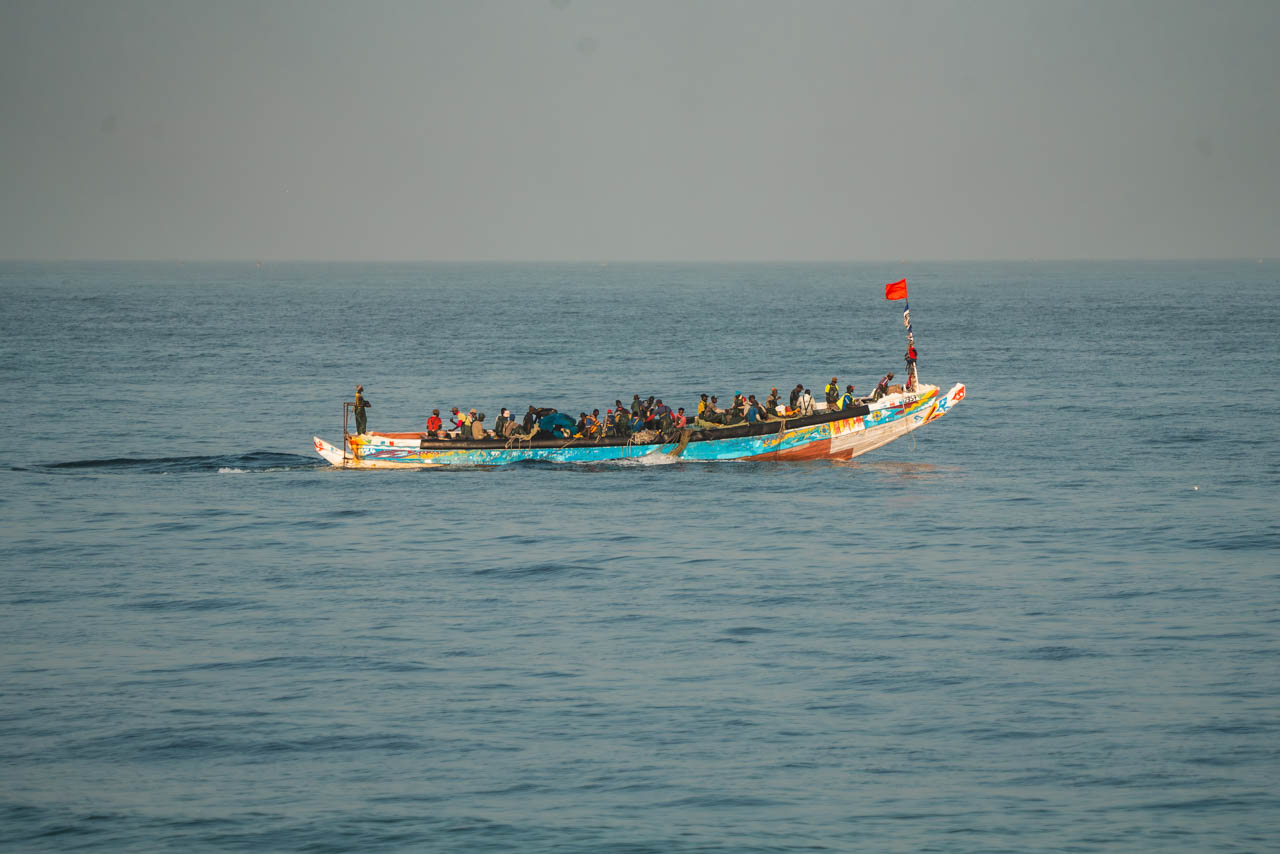
The waves were cool, washing away the heat, the dirt, and the miles. After thirteen days of crossing Africa, I had ridden from the salt air of the Mediterranean to the salt air of the Atlantic.
The River and the Return
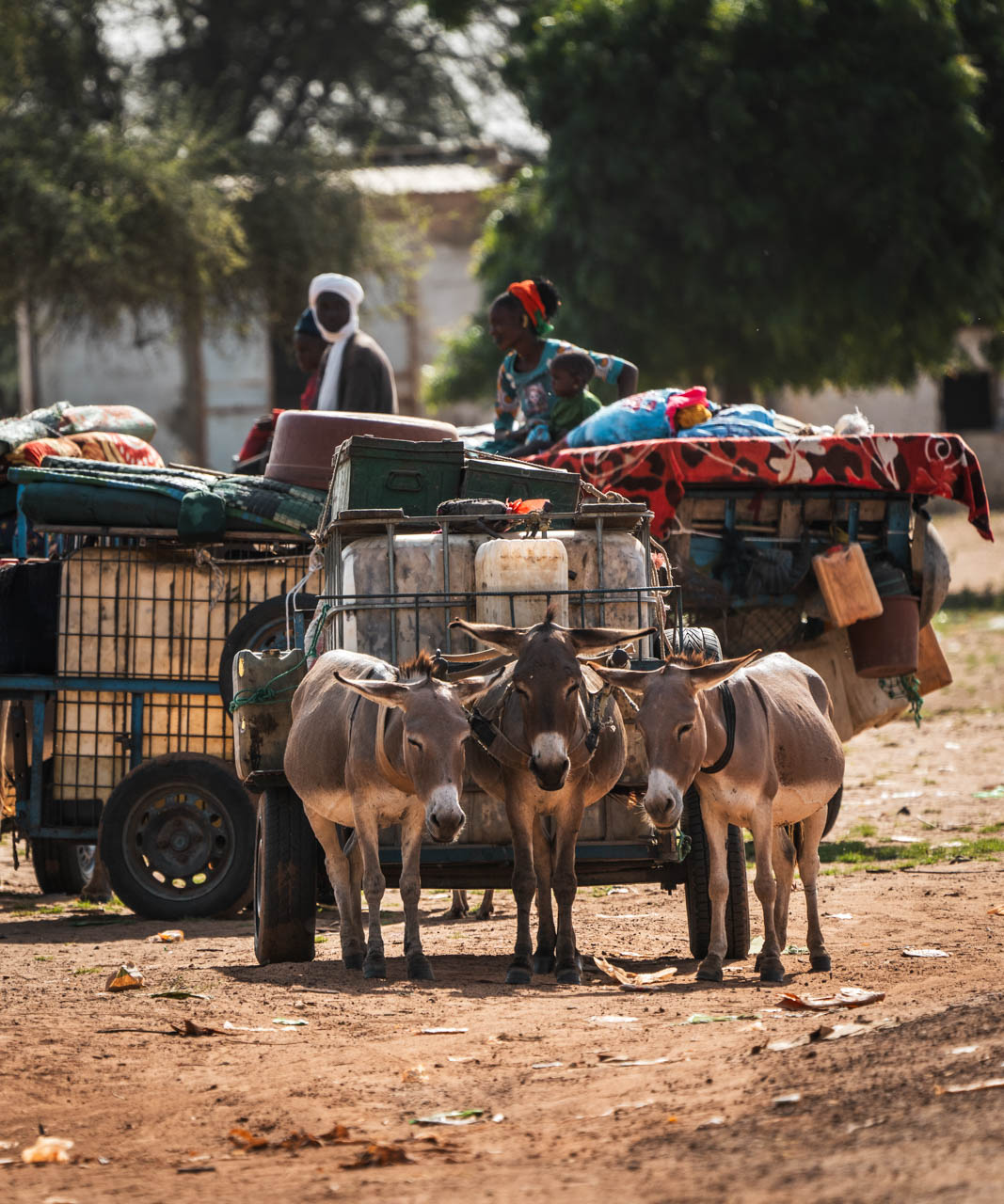
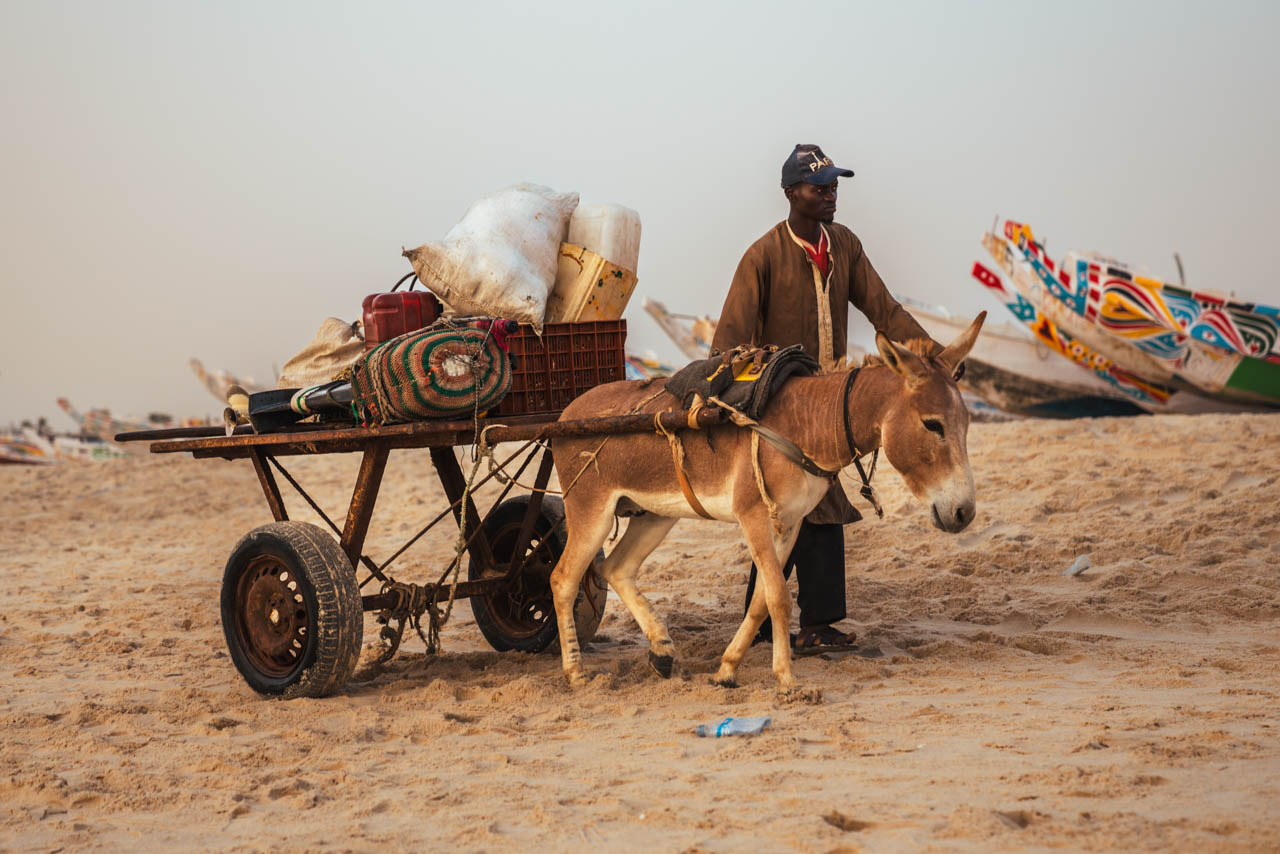
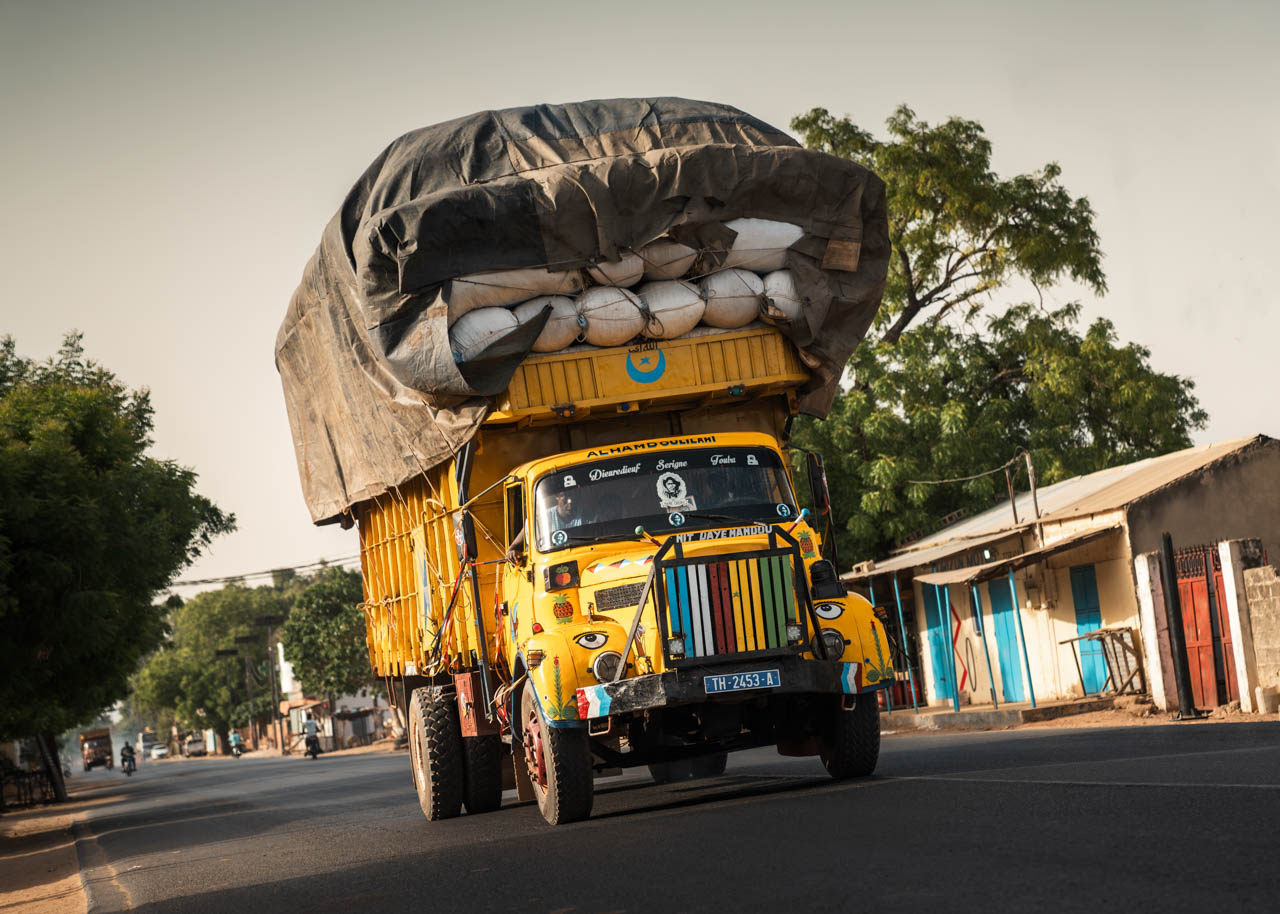
It was hard to believe the journey was almost over. There were only twelve miles (twenty kilometers) left to reach Amadu’s house, where the Yamaha would wait for another road, another dream. Twelve miles, but I had never seen traffic like this. Even on a bike it was impossible to move. Trucks, taxis, donkey carts, all locked in a standstill that felt endless. It took an hour and a half to cover the distance.
At Amadu’s workshop, where he sells spare parts, half the neighborhood came running. They shouted, laughed, and asked to buy Íñigo’s Toyota and my Yamaha. For a moment I hesitated. Maybe I should sell it, maybe start fresh. But in the end, I kept the bike. Some things still have miles to give.
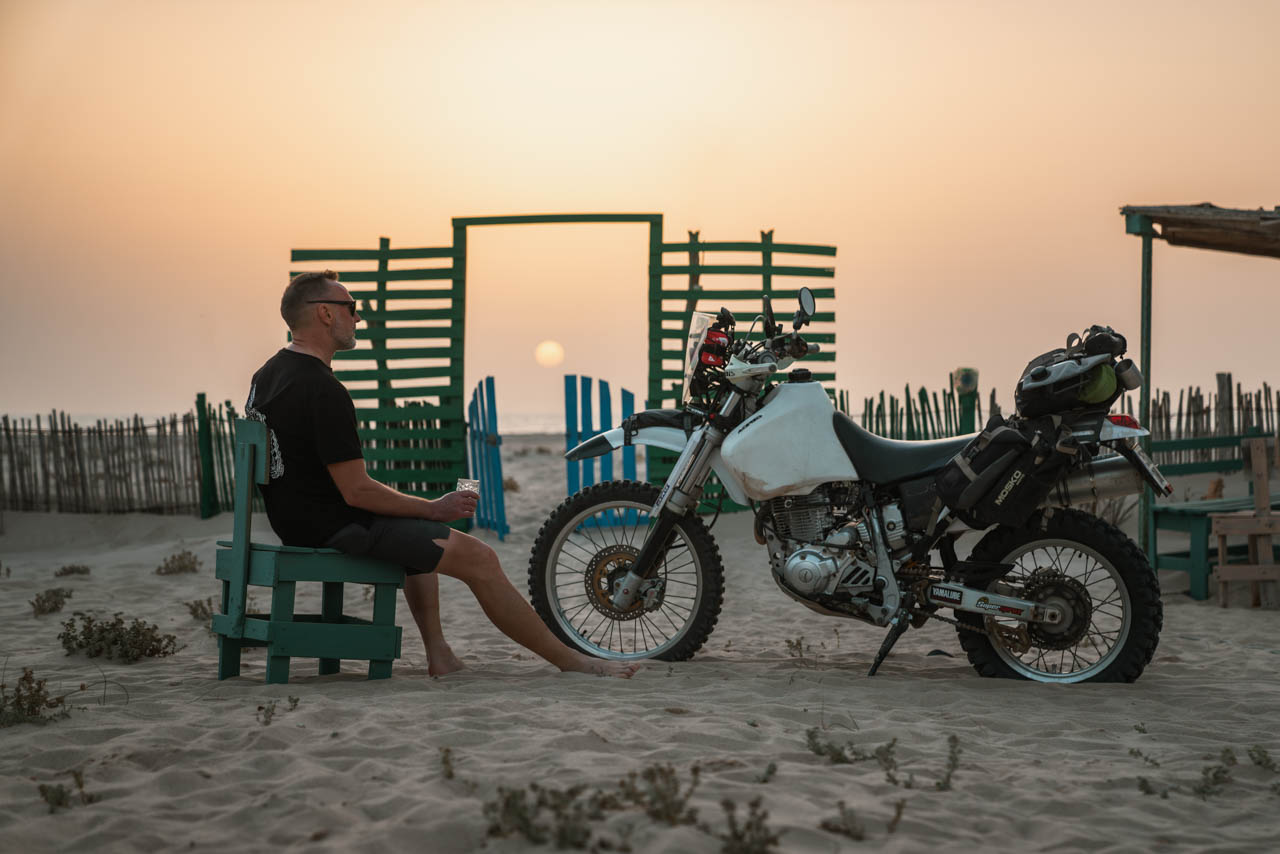
I stayed two more days in Gambia. No rushing, no borders to cross, no dust in my teeth. Just time to sleep well, eat, and let the weight of the miles settle.
When I looked back at the road, I thought of the hardest days, the heat in Mauritania, the endless stretches of stone and sand. There were moments when I doubted I could keep going. Riding out here is not easy. It takes strength, patience, and a clear head.
But when I opened the photos on my camera, it was pure euphoria. The dunes, the faces, the villages, the ocean. Planning a journey like this is a joy, riding it is a challenge, and remembering it is a gift. Africa doesn’t leave you empty. It fills you with something you can’t explain, something that stays in your chest long after the engine is cold.
Notes from the Road
For anyone dreaming of a trip like this, keep the bike light, no more than 440 pounds (200 kilos) if you can. Out here, weight is your enemy. Experience matters more than horsepower, and knowing when to stop can be the difference between a good story and a bad ending. Mauritania in particular demands respect: never ride after dark. At the borders, be firm. If not, you’ll lose money fast. And remember: in Africa almost everything has a price, but when someone sees you’re in real trouble, the cost can be higher than you think.
Marrakech to the dunes, Morocco has everything. The smells, the flavors, the mountains and the ocean. It’s a country I never tire of. My favorite meal?
Tajine with kefta, always followed by something sweet.
Mauritania is still a mystery to me. This was my fourth time crossing, but always just a couple of days. It feels like a place I’ll need to return to when the road allows.
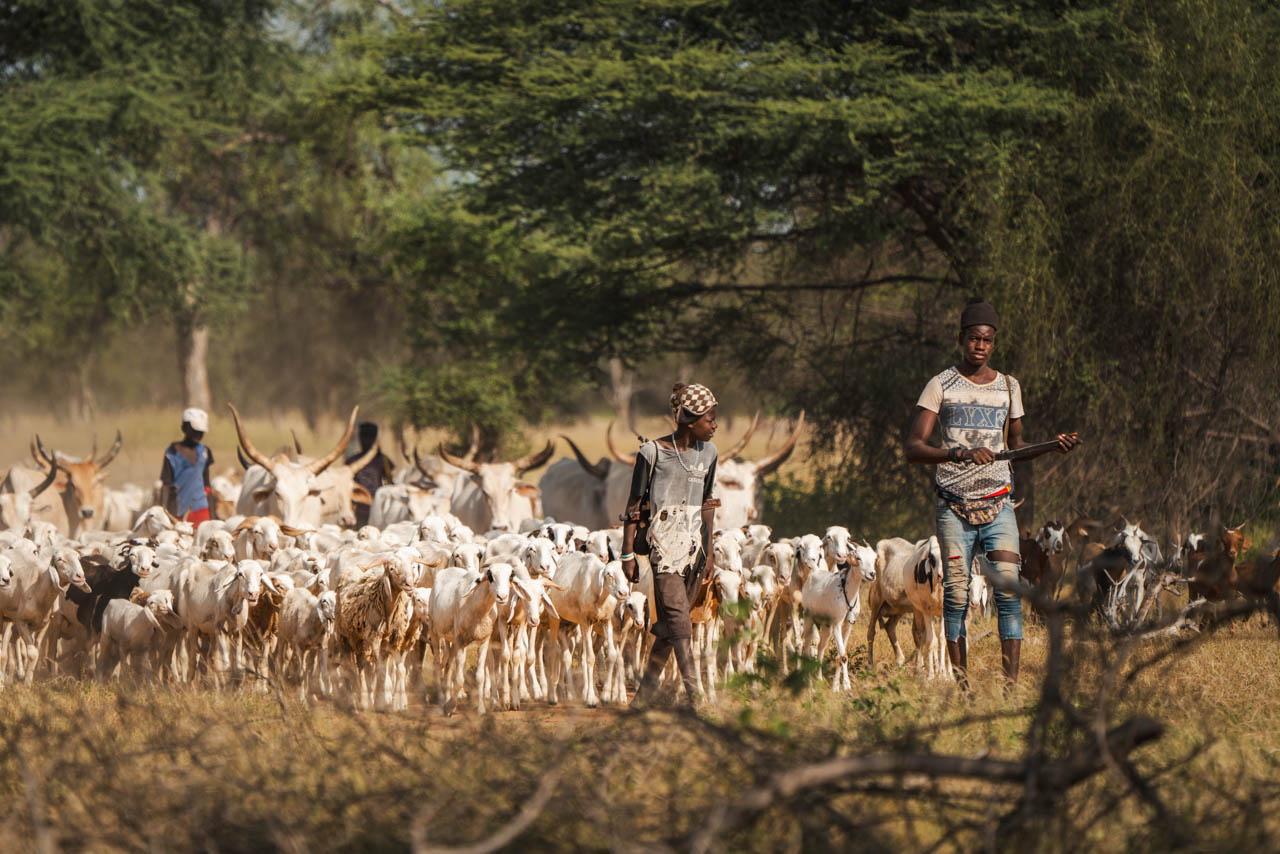
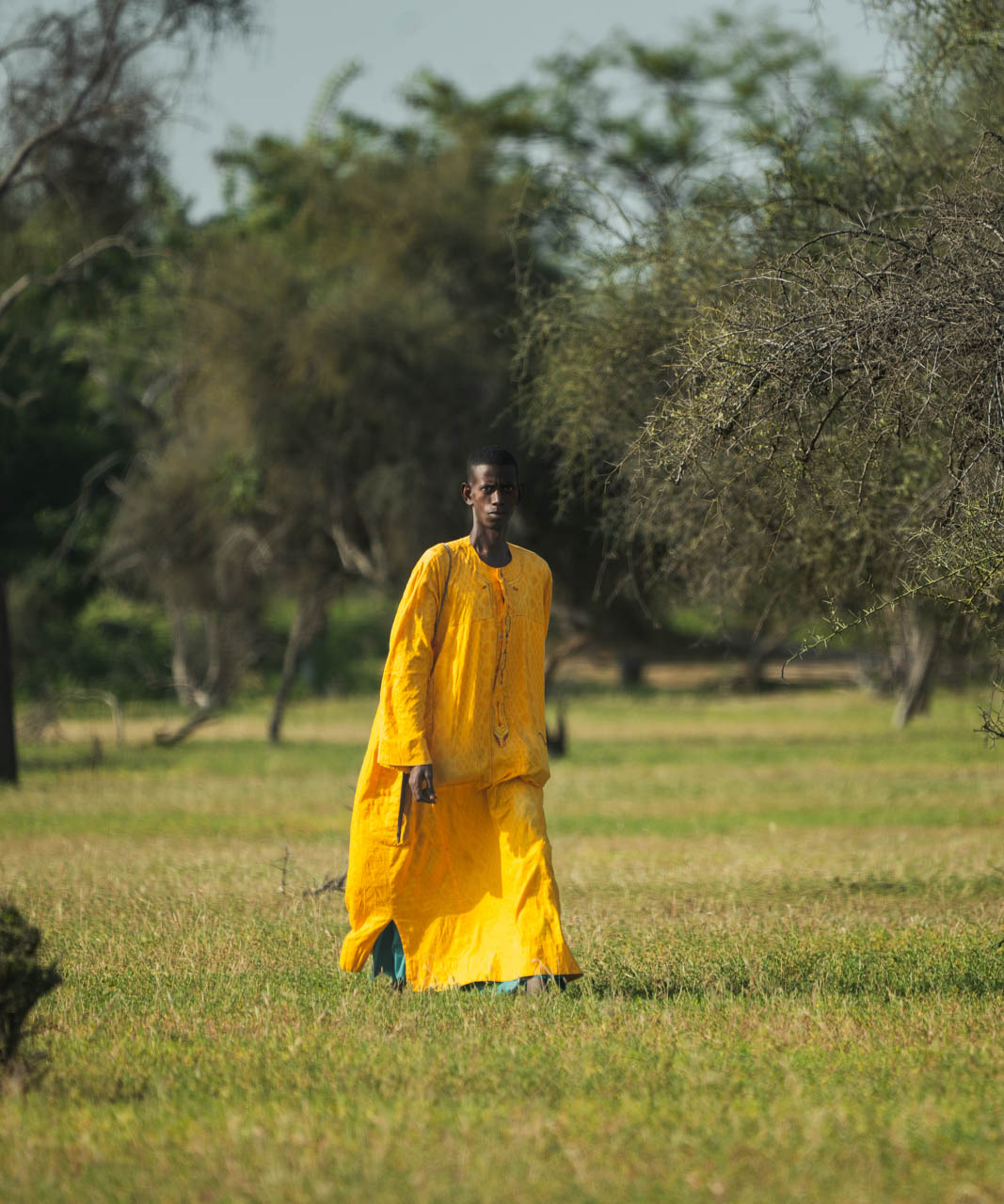
Crossing into Senegal is like entering another world. Colors explode, dresses, markets, laughter. Children chase you down dusty tracks, shouting and smiling. Every time I ride there, I’m struck by the beauty of the people and their warmth.
And then there is Gambia. A small country, yes, but full of smiles. The kind that are contagious. Its rivers, its beaches, its people, it’s a place that may be small on the map, but never small in memory.
In the end, every road is just an excuse to go out and see what’s waiting. This one gave me the desert, the ocean, and the smiles of people I won’t forget. The Yamaha is resting now, but it won’t be for long. Another line on the map is already calling.
Words by: Egidijus Pudziuvelis – Photo Credits: Egidijus Pudziuvelis
Articles in this issue
Abu Dhabi Desert Challenge 2025
Five Days of Sand, Sweat and SurvivalThere’s a certain silence in the desert that speaks louder than engines. It’s the kind of silence that wraps around your helmet as you stare into a horizon that...
Patagonia Between Trails and Friends
A Pact Between Friends and Mountains“You have to come to Patagonia.” After all, I’d already taken Simon Cudby and Randy Commans, also known as Offroadunderground, through the dusty trails of...
A Loop Through Spain’s Desert Trails
Where the Silence Smells Like DustIt was still dark when I unzipped the tent and stepped into the chill. My boots sank slightly into the dry earth, the kind that holds yesterday’s stories in the...
The Journey Across the Americas
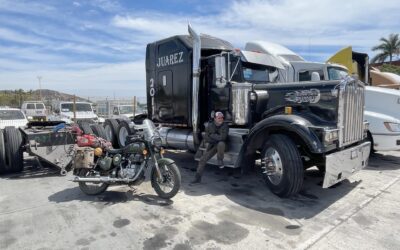
From Ushuaia to Alaska Chapter 7 - Mexico City to LADiego Rosón’s Epic Adventure on a Royal Enfield Classic 500After thousands of miles already behind him, Diego’s journey was far from over. In this...
2026 BMW R 12 G/S
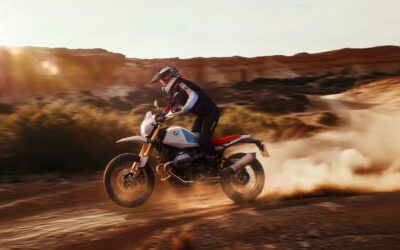
2026 BMW R 12 G/S Built for Dirt, Born from Legacy.There are motorcycles that spark curiosity, and then there are those that stir something deeper, something primal. The kind of feeling that starts...
Aprilia Tuareg Rally
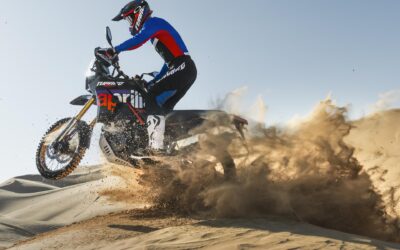
Aprilia Tuareg Rally The Twin-Cylinder Weapon for Real Off-Road RidersWhat happens when a serious off-road machine meets the mindset of a true adventure rider? You get the Aprilia Tuareg Rally, a...