
The Ride That Didn’t Happen
Some rides never start. Others break apart in silence. This one did both.
Egidijus Pudziuvelis had a plan. A light bike, new tires, a desert route open only two months a year. Mauritania was the goal, but the road had its own ideas.
Before even reaching the border, the bike was already back on an old tire. The visa was rejected, twice. Then came the fever. Nights alone in the caravan. Days of waiting by the dunes. Routes skipped. Mountains left behind.
He told us the story wasn’t worth telling. That nothing had gone right. We disagreed. This is not a tale of failure. It’s a record of adjustment. Of listening to the wind, the body, the quiet signs that change the path without asking. Egis rides the way few do: without forcing the road to obey. This is what happens when the ride doesn’t happen. Nothing went as expected. That’s the story.
When leaving is already complicated
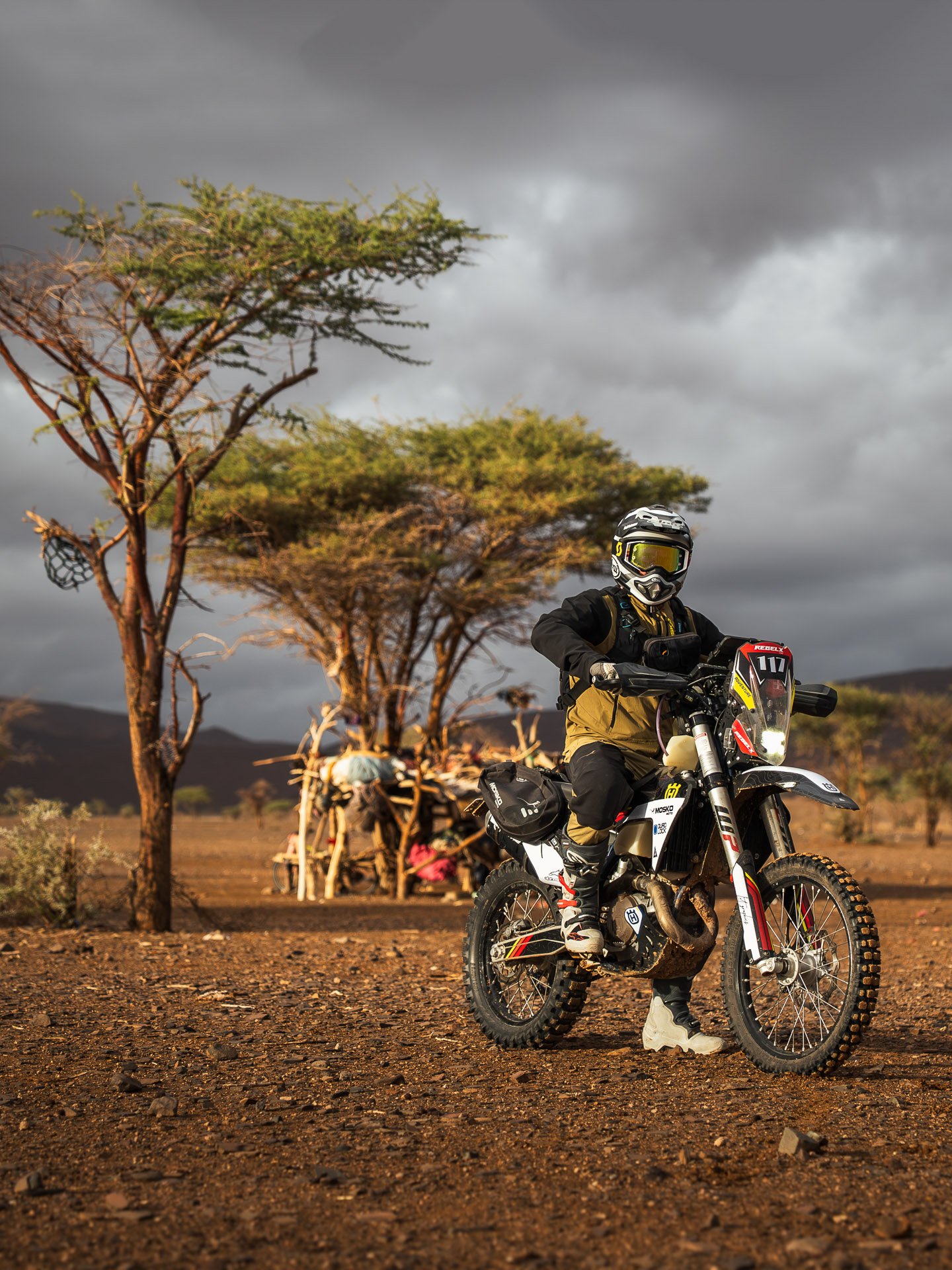
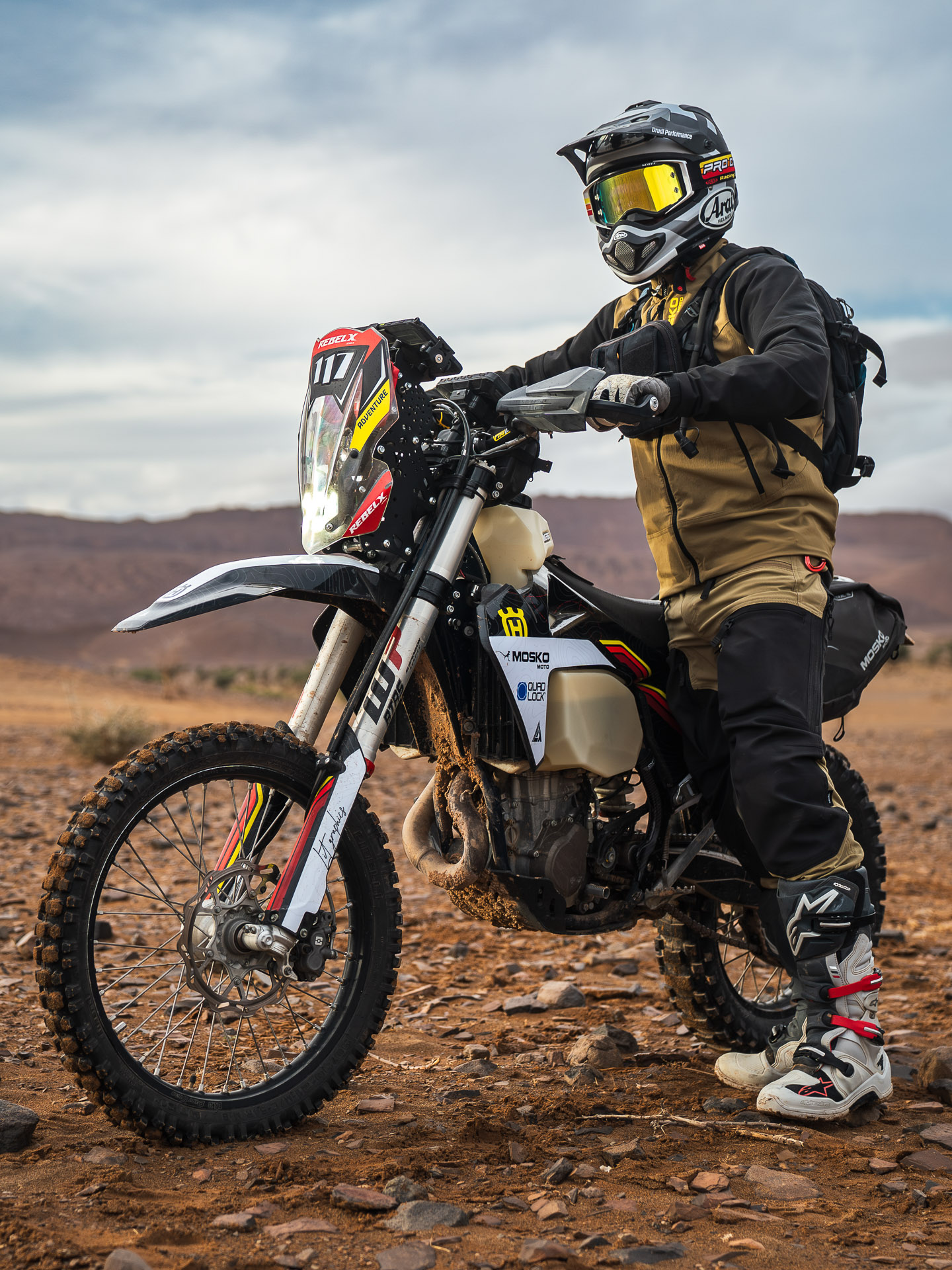
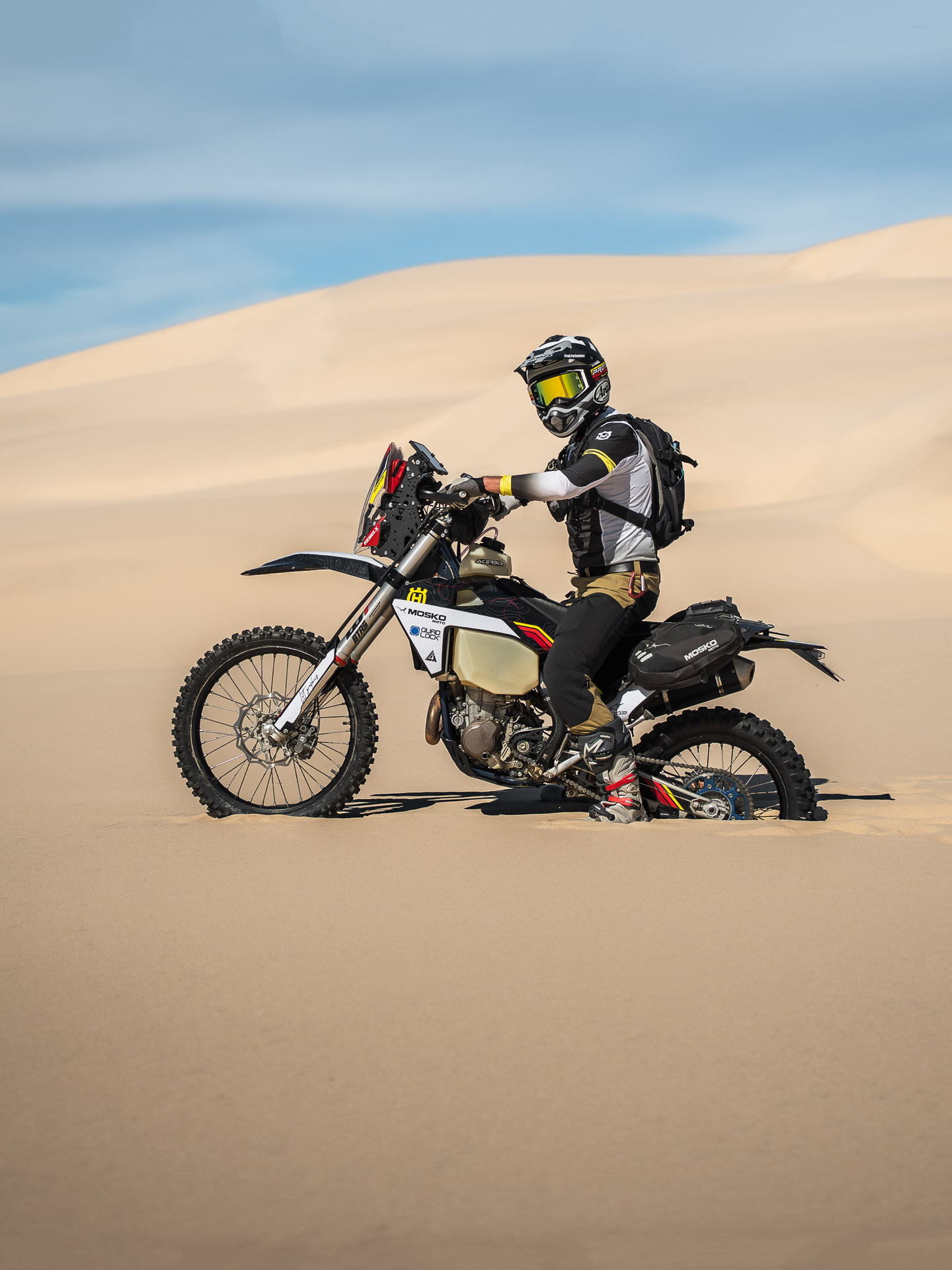
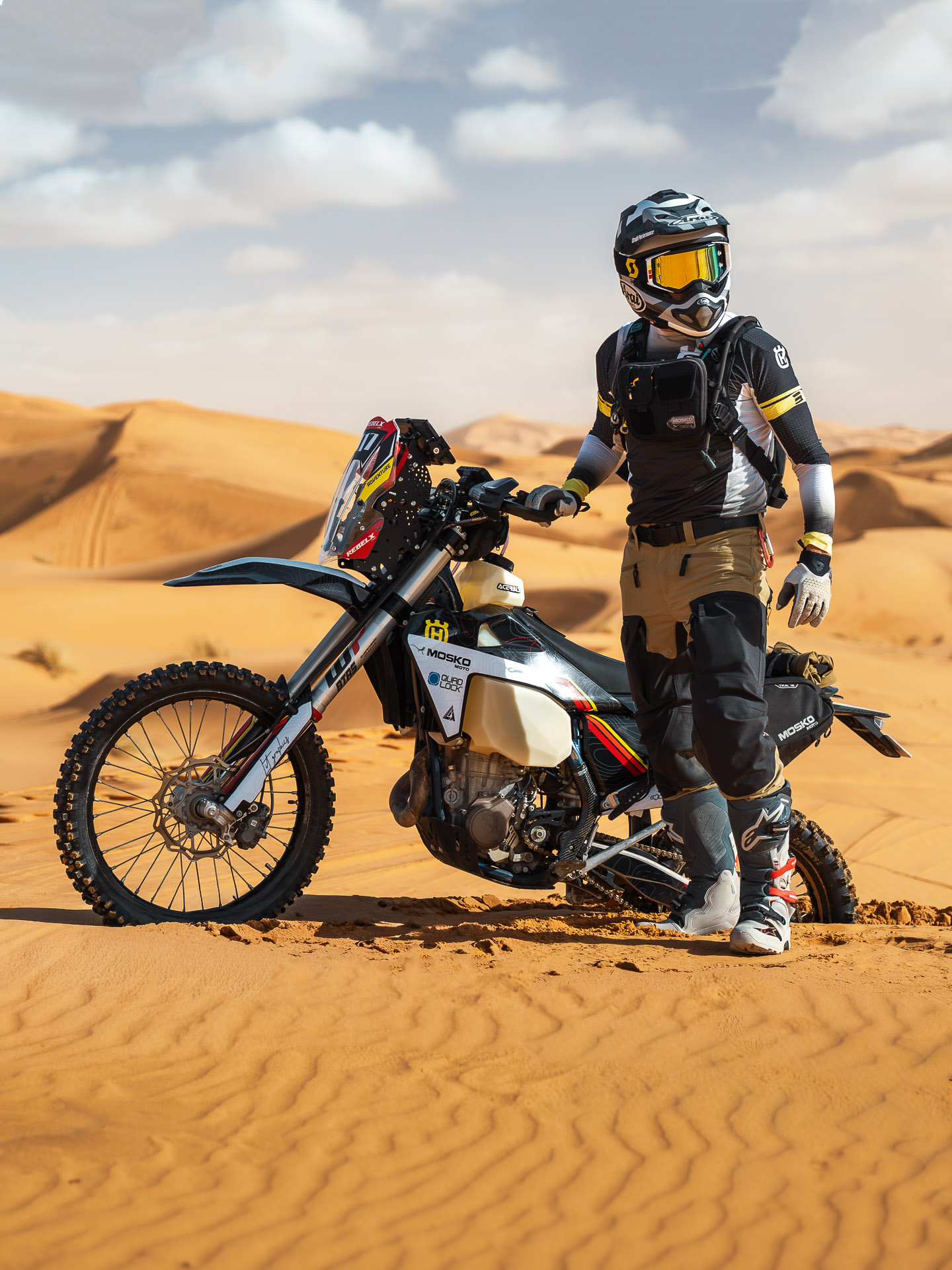
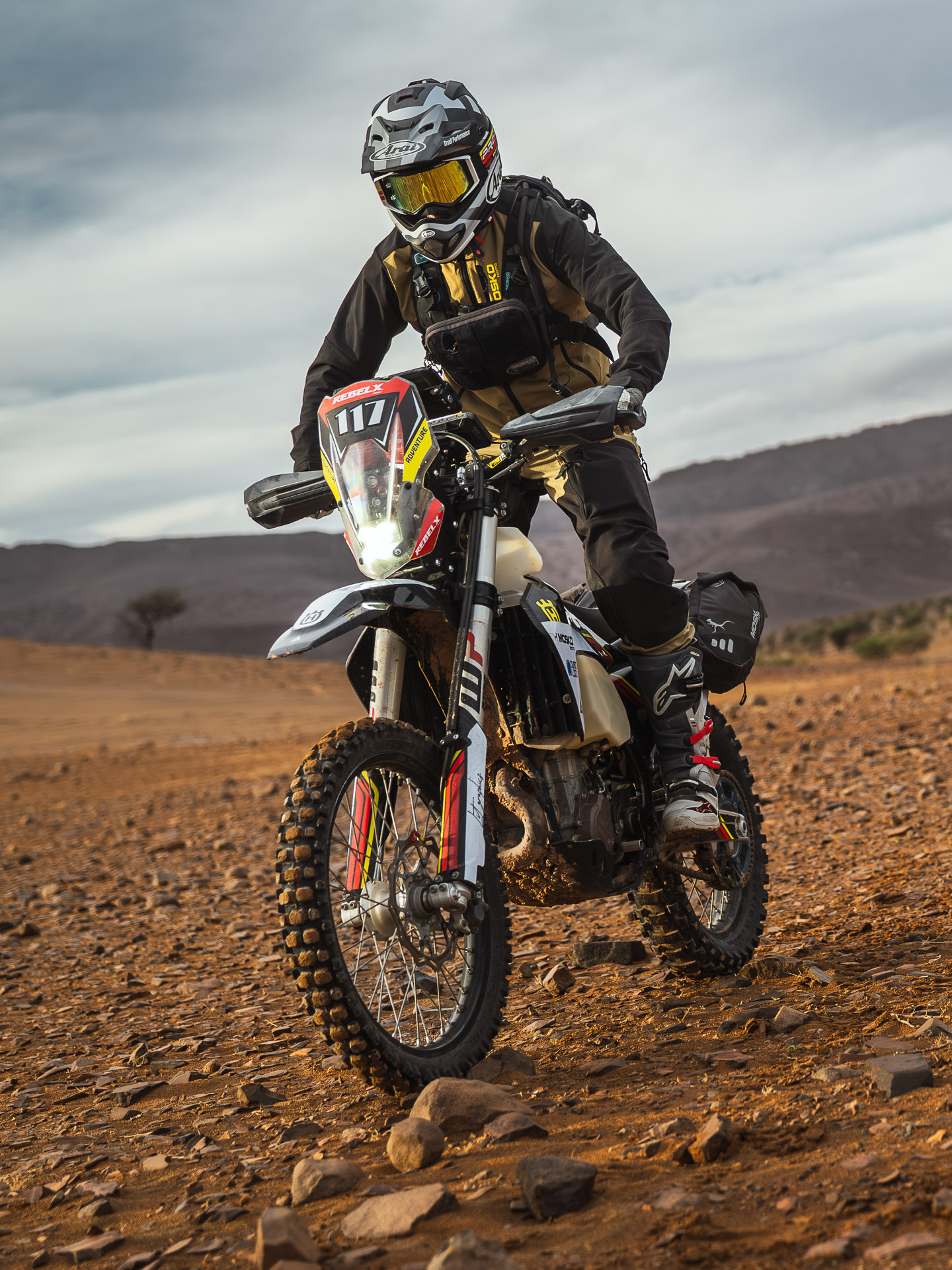
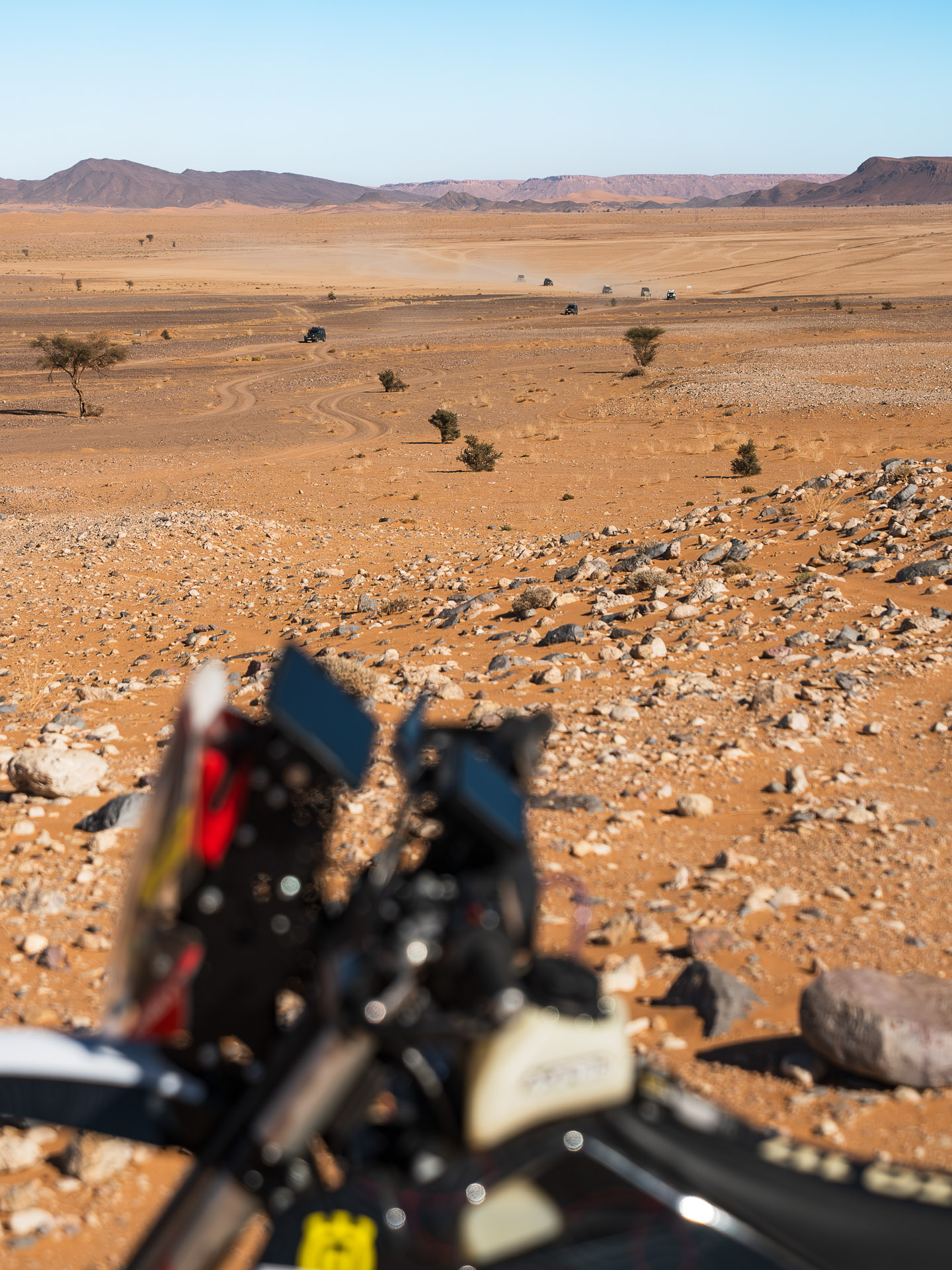
It was supposed to be simple. Change the tires. Pack the gear. Ride south. The day before Christmas, a package arrived with a fresh set of Pirelli MT 21 Rallycross tires. I dropped them off with a trusted mechanic, hoping he’d have time. He did, barely. The next day, I loaded the Husqvarna into the caravan. That would take me down to the border. From there, the road would be sand. The Husqvarna FE 450 isn’t the most comfortable bike for long hauls, but it’s light, agile, and it breathes better in the desert than I do. I kept the luggage to a minimum, Mosko Moto soft bags, durable and dustproof. A Leatherman, a few Husqvarna tools, and enough water to last the distance. For this ride, I kept it simple as always: Arai MX-V EVO helmet.
Rain followed me all the way from Tangier to Tarfaya. I don’t usually mind wet roads, but 1,500 miles (2,400 kilometers) of steady drizzle can wear on anyone. I had no idea what Mauritania would bring. I just knew I wanted to get there before January. That’s when the desert lets you in. For navigation, I used Drive Mode Dashboard, a simple app that turns your phone into a roadbook-style GPS. I’ve used it before, but heat is always a problem—screens go dark under the sun. This time, I brought a unit called HFK HC50. It’s a dedicated device made for motorcycles, built to handle dust, water, and heat. It ran fine, even in the worst of it. The gear was working. The road, not yet.
A visa that never comes
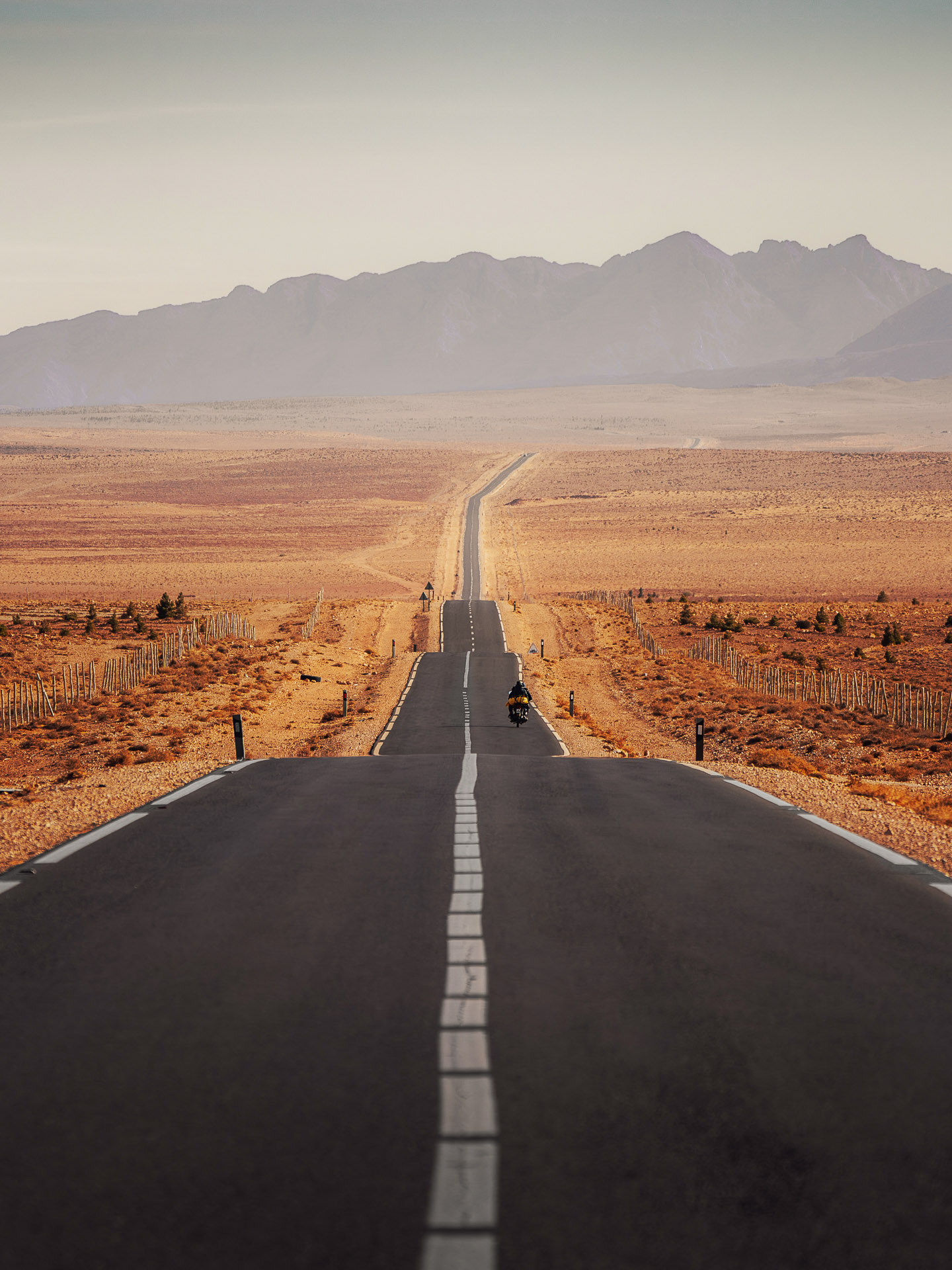
I left early on December 26th. Still in the caravan, still chasing Africa. There were 2,000 miles (3,300 kilometers) ahead, all asphalt, all routine. The idea was to reach the Mauritanian border in three days. Nothing special, just long hours and fuel stops. Somewhere around the last 600 miles (1,000 kilometers), a message came in. A friend already down south, waiting with a 4×4. —Check your visa status —he said. Mauritania had changed its system. Now you had to apply online through ANRPTS. Fill in the form, wait 24 to 48 hours, and bring the printed confirmation to the border. If the date changes, you have to do it all over again. That’s how it works now. I was sure mine had gone through. It hadn’t. Rejected. No reason. I applied again. Drove on. By the time I reached the border, the second request had also been denied. I applied a third time, already knowing I’d have to wait.
Crossing into Mauritania is never smooth. There are always people at the gate, intermediaries who, for 10 euros, will guide you through the process. You can skip them, but it usually means hours standing around. They handle paperwork, vehicle declarations, and make sure your name ends up where it should. Most borders in Africa work like that: if you don’t know the rhythm, you end up paying more, time or money.
The usual costs look like this:
- 55 euros for the visa
- 10 euros for vehicle declaration
- 10 euros for insurance
- And another 10 if you want someone to help you get it done
I figured my chances weren’t great. I’d already entered Mauritania several times in a short span, and the system doesn’t like repeated visits without gaps. Rather than wait and get rejected again, I changed plans. While waiting, I unloaded the bike and rode west, to the white dunes. No one checks your visa out there.
Celebrating among wind and salt
December 31st. Still no answer from immigration. The sun was high, and the border wasn’t a place to start a new year. I loaded the bike back into the caravan and drove north, toward Dakhla. Three hours later, I was parked next to a row of motorhomes, European plates and surfboards everywhere. Dakhla is a strange pause in the desert. One of the best places in the world for kitesurfing, all wind and water. But that night, it was just people, music, and a campfire. Travelers find each other fast. We shared food, wine, and silence. The Atlantic behind us. The year ahead.
On New Year’s morning, the visa was still in limbo. So I rode. The dunes west of Dakhla are soft, white, and endless. You never know what’s after the next one. The sea comes close but never quite touches them. With low tide, you can get there easy. But you have to watch the ocean, when the tide returns, you wait. I didn’t have a plan. I just wanted to stay off the tarmac.
When the body pulls the brake
I left the coast and turned inland. The plan was to reach the Atlas mountains. They stretch across Morocco, long and cracked, keeping the desert on one side and the snow on the other. There was a route on Wikiloc, 250 miles (400 kilometers), snow at the top, silence all the way. Two days, 900 miles (1,500 kilometers) to get to Ouarzazate. Somewhere past Tan-Tan, I stopped for fuel. Got back on the bike. Chose an off-road track toward Playa Blanca, even though there was an easier one. I had heard stories, dunes meeting ocean, no people, just wind. By the time I reached the water, the wind had picked up. A sandstorm was rolling in. I felt slow. Weak. I turned back to the caravan. That night was long. I didn’t sleep much. By morning, I had a fever of 102°F (39°C), nausea, and no strength. I made it to Zagora and stayed with friends at a hotel. Two days in bed, letting the dust settle inside me.
I’ve been sick before. Eight years ago I had malaria in Madagascar. You learn to recognize when it’s better to stop. Most likely it was the water, tea or coffee prepared without boiling. Traveling here, you get used to it. You also learn that local doctors know what they’re doing. The treatments in Europe don’t always work for what we get out here.
This time, the map chose the way
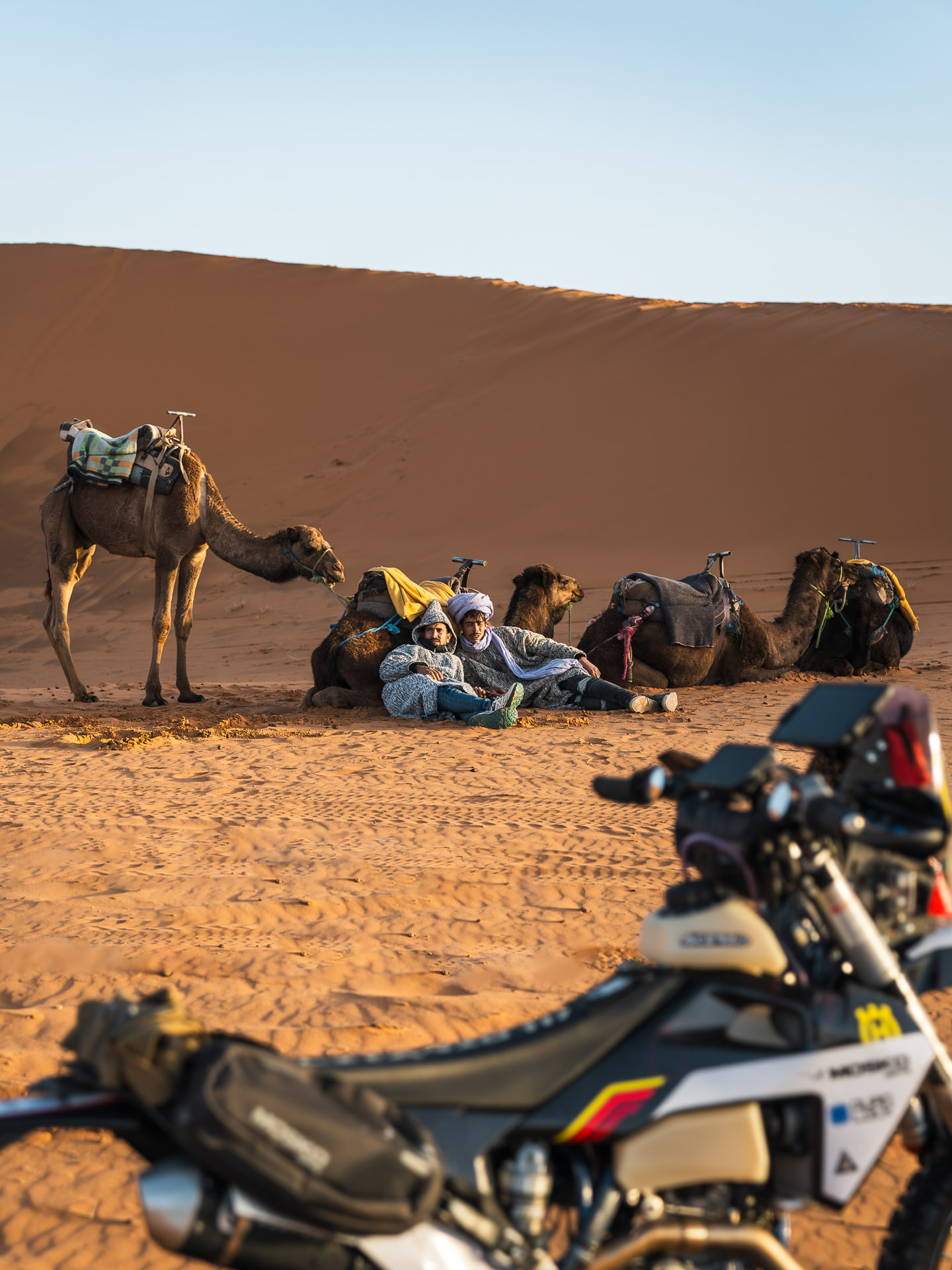
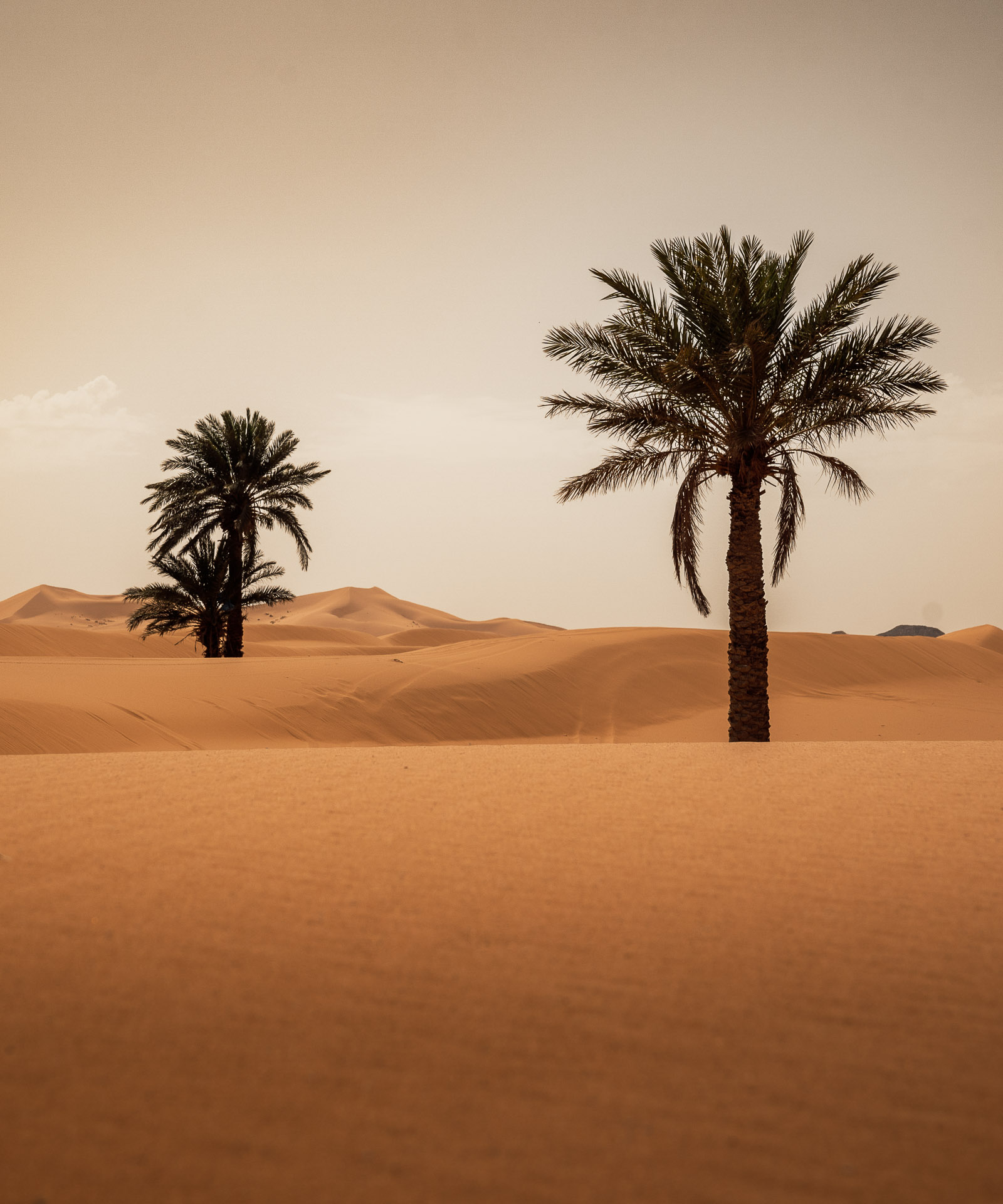
I was halfway back when I reached Rissani. I wasn’t sure what to do. The fever had dropped. The sky was calm. I kept going. In Merzouga, the dunes were waiting. Sunlight over soft sand, no wind, no noise. I stayed two nights. Rode a little. The body felt better. But the weather was about to turn. Forecast said storms. I don’t like waiting for bad news. I packed up. Turned north.
When I think about the trip, it might seem like everything went wrong. I see it differently. Maybe the visa rejection was a way to keep me from something worse. Maybe the virus that stopped me before the Atlas was there for a reason too. That kind of cold, high up, with a weak body, it doesn’t forgive. Sometimes, the road shifts and what feels like a delay becomes the direction. Everything happens for a reason. Even if we don’t know what it is. The trip is not the destination. It’s the path toward it. You ride it. Even when it folds back on you. Even when you turn around. There’s always something better, somewhere out there. Just behind the next white dune.
Words by: Egidijus Pudziuvelis / Editor: Mike de la Torre – Photo Credits: Egidijus Pudziuvelis
Articles in this issue
Abu Dhabi Desert Challenge 2025
Five Days of Sand, Sweat and SurvivalThere’s a certain silence in the desert that speaks louder than engines. It’s the kind of silence that wraps around your helmet as you stare into a horizon that...
Patagonia Between Trails and Friends
A Pact Between Friends and Mountains“You have to come to Patagonia.” After all, I’d already taken Simon Cudby and Randy Commans, also known as Offroadunderground, through the dusty trails of...
A Loop Through Spain’s Desert Trails
Where the Silence Smells Like DustIt was still dark when I unzipped the tent and stepped into the chill. My boots sank slightly into the dry earth, the kind that holds yesterday’s stories in the...
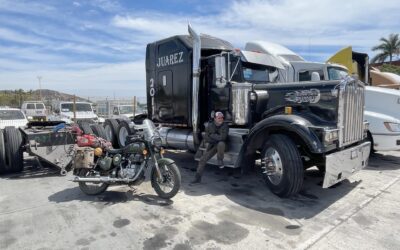
The Journey Across the Americas
From Ushuaia to Alaska Chapter 7 - Mexico City to LADiego Rosón’s Epic Adventure on a Royal Enfield Classic 500After thousands of miles already behind him, Diego’s journey was far from over. In this...
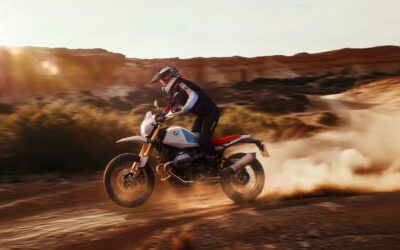
2026 BMW R 12 G/S
2026 BMW R 12 G/S Built for Dirt, Born from Legacy.There are motorcycles that spark curiosity, and then there are those that stir something deeper, something primal. The kind of feeling that starts...
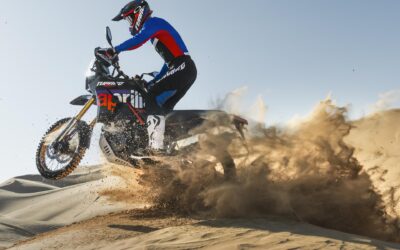
Aprilia Tuareg Rally
Aprilia Tuareg Rally The Twin-Cylinder Weapon for Real Off-Road RidersWhat happens when a serious off-road machine meets the mindset of a true adventure rider? You get the Aprilia Tuareg Rally, a...